

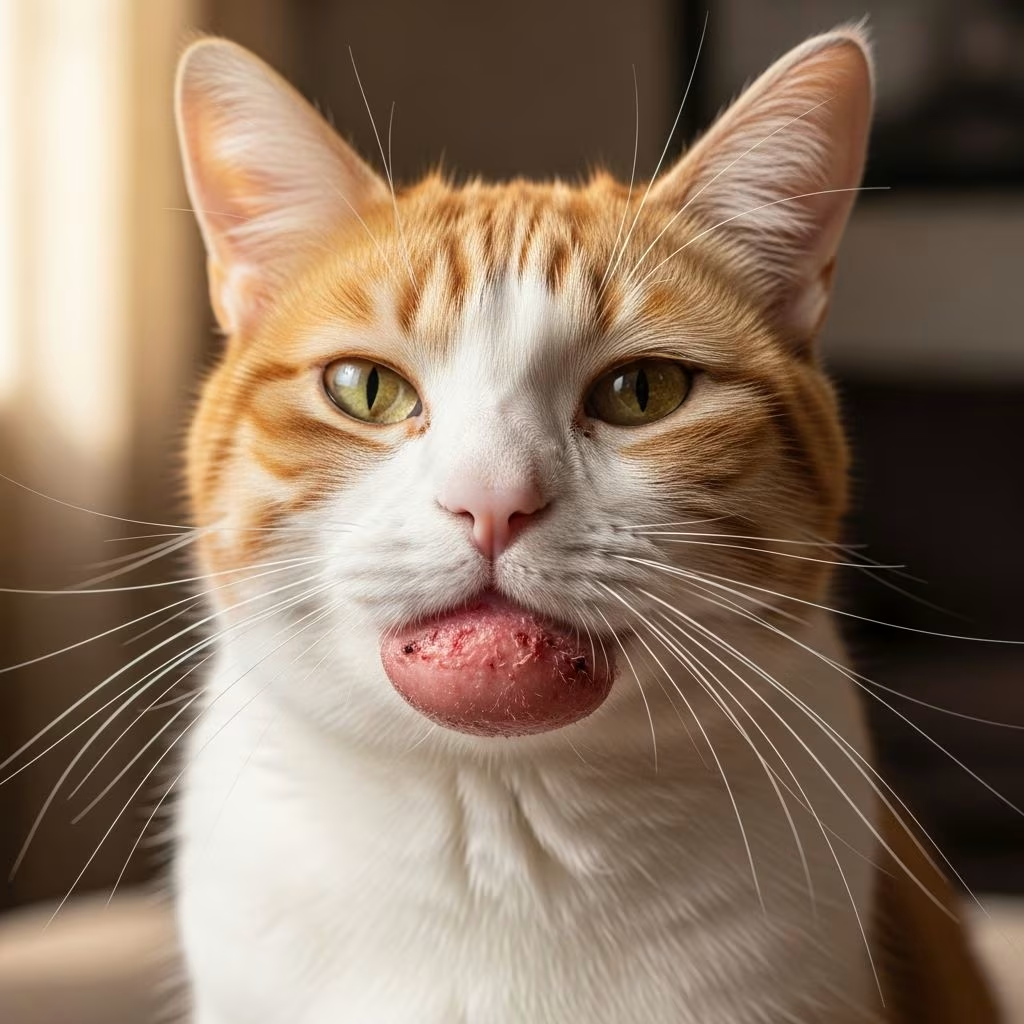
A noticeable puffiness or enlargement on your cat’s bottom lip can be alarming for any pet owner. This condition often signals an underlying issue ranging from minor irritations to serious health concerns. Prompt recognition of accompanying symptoms and timely veterinary intervention are crucial for your cat’s well-being. In this guide, we delve into the primary triggers, diagnostic approaches, and management strategies to help you navigate this feline health puzzle.
Common Triggers Behind Lip Swelling
Several factors can lead to inflammation in a cat’s lower lip. These include environmental reactions, parasitic encounters, and internal medical conditions. Identifying the root cause requires observing patterns in your cat’s behavior and environment.
- Allergic Responses: Cats may react to proteins in foods like beef, chicken, or fish, causing localized swelling upon contact with the mouth area.
- Parasitic Bites: Insects such as fleas, mosquitoes, or mites target sensitive facial skin, leading to rapid puffiness.
- Infectious Agents: Bacterial or fungal invasions through minor wounds exacerbate swelling and discomfort.
Detailed Examination of Key Causes
Allergies: Food and Environmental Culprits
Food sensitivities rank high among reasons for lip inflammation. When a cat ingests an offending protein, the immune system overreacts, manifesting as swelling around the mouth. Environmental allergens like pollen can also provoke similar responses during grooming. Switching to hypoallergenic diets often resolves these issues, but professional allergy testing may be necessary for confirmation.
Insect and Parasite Reactions
Bites from mosquitoes or fleas frequently result in a ‘fat lip’ appearance, particularly if the cat scratches the area, introducing secondary infections. Demodex mites burrow into lip skin, causing hair loss and crusty lesions. Regular flea preventatives and environmental controls mitigate these risks effectively.
Eosinophilic Granuloma Complex (EGC)
EGC represents an immune-mediated disorder often presenting as raised, ulcerated swellings on the lower lip. Triggered by allergies or insect bites, it forms pinkish nodules or raw patches. Veterinary steroids or immunosuppressants typically reduce symptoms swiftly.
Dental and Oral Health Issues
Though not always direct, severe gingivitis or tooth resorption can indirectly cause lip puffiness through adjacent inflammation. Older cats are prone, showing signs like halitosis and eating difficulties. Professional cleanings under anesthesia address these effectively.
Infections: Bacterial and Fungal
Open wounds from fights or scratches invite bacteria, leading to abscesses and swelling. Fungal issues like ringworm add to the problem in multi-cat homes. Antibiotics or antifungals, prescribed post-culture, clear most cases.
Toxin Ingestion and Chemical Exposure
Plants like pothos or household cleaners can irritate the mouth lining upon contact or ingestion, causing acute swelling alongside vomiting or lethargy. Immediate decontamination and supportive care are vital.
Rare but Serious Conditions
Autoimmune diseases such as pemphigus vulgaris produce blistering ulcers on lips and mucous membranes. Tumors, though uncommon, appear as firm masses with discharge. Biopsies confirm diagnoses, often requiring surgical or chemotherapeutic interventions.
Recognizing Symptoms and Severity
Beyond visible swelling, monitor for drooling, pawing at the mouth, appetite loss, or behavioral shifts. A table below outlines symptom profiles for quick reference:
| Condition | Key Symptoms | Urgency Level |
|---|---|---|
| Allergies | Redness, itching, hives, vomiting | Moderate |
| EGC | Ulcers, nodules, hair loss | High |
| Infection | Pus, fever, lethargy | High |
| Dental Disease | Bad breath, gum swelling | Moderate |
| Tumor | Firm lump, drooling, weight loss | Critical |
Diagnostic Steps with Your Veterinarian
Vets begin with a physical exam, probing the lip for lesions or masses. Fine-needle aspirates, biopsies, or bloodwork rule out systemic issues. Dental radiographs detect hidden abscesses. Allergy trials involve diet elimination over 8-12 weeks.
Home Management and Prevention Tips
While awaiting vet care, gently clean the area with saline. Avoid home remedies like human creams, which can worsen toxicity. Prevent recurrence by:
- Maintaining flea control year-round.
- Using novel protein diets for allergy suspects.
- Regular dental brushing with cat-safe products.
- Securing toxic plants and chemicals.
Pet insurance covers diagnostics and treatments, easing financial burdens for chronic cases.
When to Rush to the Vet
Seek immediate help if swelling impedes breathing, eating, or spreads rapidly. Accompanying fever, seizures, or collapse indicate emergencies like anaphylaxis or severe infection.
Frequently Asked Questions (FAQs)
Can cat acne cause bottom lip swelling?
Yes, feline acne clogs pores around the chin and lips, leading to inflamed, swollen areas mimicking other conditions. Topical treatments help.
Is a swollen lip always an emergency?
Not always, but rapid onset with systemic signs warrants urgent care to prevent complications.
How long does EGC take to resolve?
With steroids, improvement occurs in days, though full resolution may take weeks. Recurrence is common without allergen management.
Can diet alone fix my cat’s swollen lip?
For food allergies, yes, but confirm via vet-guided trials to exclude other causes.
What if my indoor cat has this issue?
Indoor cats face food allergies, dental problems, or spontaneous EGC flares despite limited exposure.
Long-Term Care for Feline Lip Health
Proactive wellness exams catch issues early. Holistic approaches like omega-3 supplements support skin health. Track changes with photos for vet discussions. Your vigilance ensures your cat’s pout remains cute, not concerning.
References
- What’s Causing My Cat’s Swollen Lip? — Chewy.com. 2023. https://www.chewy.com/education/cat/health-and-wellness/what-should-i-do-about-my-cats-swollen-lip-and-sneezing
- Why Is My Cat’s Bottom Lip Swollen? 9 Vet Reviewed … — Catster.com. 2024. https://www.catster.com/cat-health-care/why-is-cats-bottom-lip-swollen/
- Cat Swollen Lip – Causes, Symptoms and Remedies — Waggel.co.uk. 2023. https://www.waggel.co.uk/blog/post/cat-swollen-lip-causes-symptoms-remedies
- Why Your Cat’s Bottom Lip is Swollen & How To Treat It — Rover.com. 2024. https://www.rover.com/blog/cat-swollen-bottom-lip/
- Why Is My Cat’s Bottom Lip Swollen? 9 Likely Reasons — Hepper.com. 2024. https://articles.hepper.com/why-is-my-cats-bottom-lip-swollen/
- Cat Swollen Bottom Lip: What Does It Mean And How To … — TrustedHousesitters.com. 2023. https://www.trustedhousesitters.com/blog/pets/cat-swollen-bottom-lip/



