

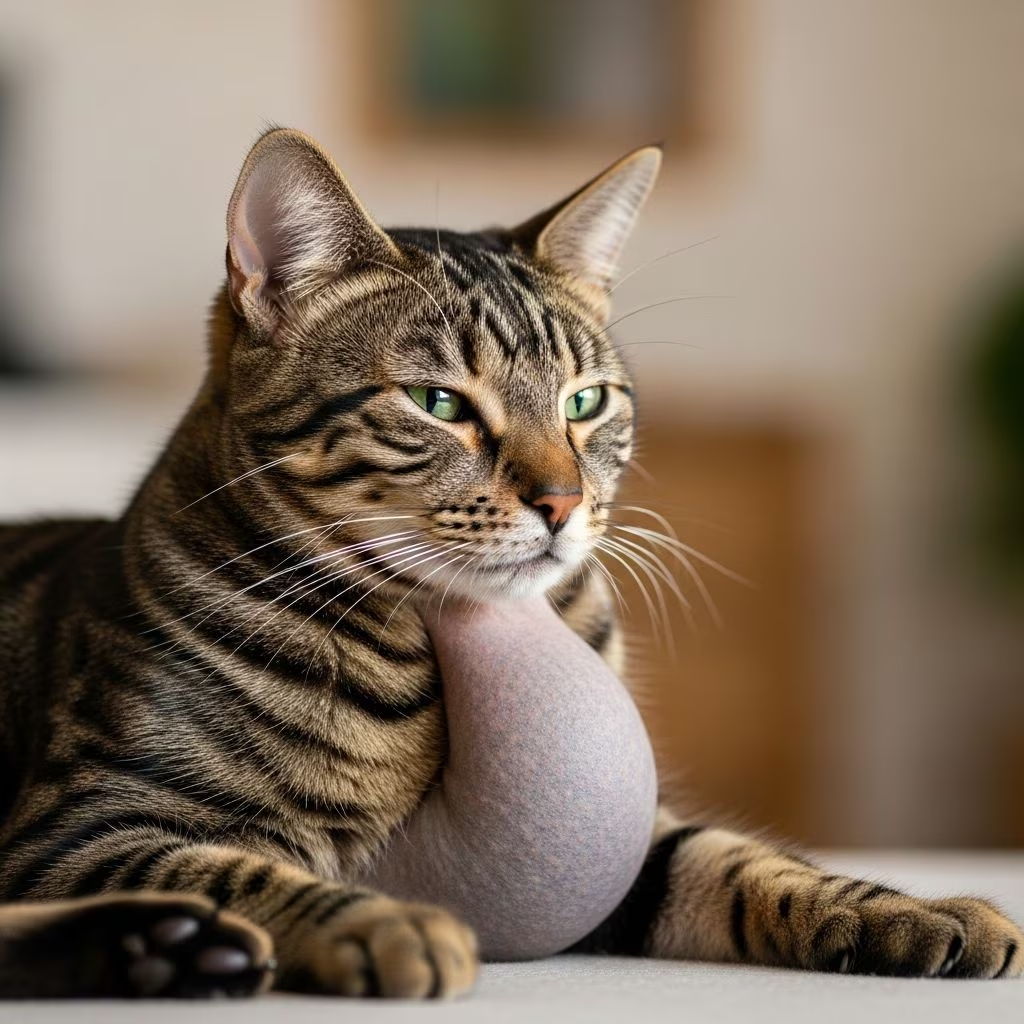
The **primordial pouch**, often called the belly flap or hanging belly, is a common feature in cats that many owners notice and sometimes worry about. This soft, saggy flap of skin located on a cat’s lower abdomen is completely normal and present in all cats, both males and females, from domestic shorthairs to big cats like lions and tigers. Far from being a sign of overeating, the primordial pouch serves important evolutionary purposes and develops naturally as cats mature.
Understanding this anatomical feature helps cat owners distinguish it from health issues like obesity, monitor their pet’s well-being, and appreciate feline biology. This guide covers everything from its definition and functions to when it becomes more prominent and veterinary advice.
What is a cat’s primordial pouch?
The primordial pouch is a flap of loose skin, fatty tissue, and fur that hangs from a cat’s belly, typically more noticeable when the cat walks or runs due to its swinging motion. It is not unique to house cats; wild felines including lions, tigers, and other big cats possess it too, highlighting its evolutionary roots.
All cats have a primordial pouch, though its size varies greatly between individuals. Some cats display a prominent, jiggly flap, while in others it is subtle and barely visible. The pouch consists of excess skin rather than solid fat, allowing it to move freely without covering the cat’s ribs or spine when gently palpated.
Myths persist that only neutered cats develop this feature, but this is untrue. Neutering can lead to weight gain if feeding isn’t adjusted, which might make the belly appear larger, but the pouch itself is inherent to feline anatomy regardless of sterilization status.
Why do cats have a primordial pouch?
While the exact purpose isn’t fully proven, veterinarians and feline experts propose several theories based on observation and evolutionary biology. The pouch likely evolved to provide survival advantages in the wild, benefits that persist in domestic cats today.
- Protection for vital organs: During fights or rough play, the loose skin acts as a buffer, shielding internal organs like the liver from claws, bites, or kicks. Cats often use ‘bunny kicks’ with hind legs in combat, and the pouch adds an extra layer of defense.
- Flexibility and agility: The extra skin allows greater abdominal stretch during leaps, sprints, or acrobatic maneuvers, enhancing a cat’s natural athleticism. This is particularly useful when jumping high or twisting mid-air.
- Food storage: Wild cats may consume large meals infrequently. The pouch’s elasticity permits abdominal expansion to accommodate big feasts, similar to loose clothing on a full stomach. Domestic cats benefit too, especially if they eat quickly.
- Heat regulation: By allowing air circulation under the belly, the pouch may help dissipate heat, aiding thermoregulation in hot environments.
These functions underscore why the primordial pouch is a **primitive (primordial) trait** retained from ancestral wildcats, not a flaw or modern development.
When does the primordial pouch develop?
Kittens do not exhibit a noticeable pouch at birth. It begins forming around 6 months of age as the cat matures into adolescence and becomes more pronounced by 1 year old. The development aligns with puberty and full skeletal growth, varying slightly by breed and individual.
Breeds like the Pixiebob often have larger pouches, while Thai cats show minimal ones per breed standards from The International Cat Association (TICA). Senior cats may see it sag more due to natural skin changes, but this is normal.
Primordial pouch vs obesity: How to tell the difference
Many owners confuse the pouch with a ‘food baby’ or fat belly, but key distinctions exist. An obese cat’s abdomen feels padded with firm fat that doesn’t swing freely, while a healthy pouch is loose skin over palpable ribs.
Use these assessment tips:
- Feel the ribs: Easily palpable without excess fat in healthy cats with pouches.
- Observe from above: Healthy cats show a waist indentation; obese ones have a rounded profile.
- Check sway: Pouch swings when walking; fat bellies remain static.
- Weigh and body condition score: Vets use a 9-point scale; ideal is 4-5 where ribs are felt but not visible.
| Signs of Primordial Pouch (Healthy) | Signs of Obesity |
|---|---|
| Loose, swinging flap on lower belly | Round, firm belly extending upward |
| Ribs and spine easily felt | Thick fat layer over ribs and back |
| Visible waist from above/side | No waist; barrel-shaped torso |
| Present in thin, fit cats | Accompanied by overall weight gain |
If concerned, consult a vet for a body condition assessment. Overweight cats risk diabetes, arthritis, and shorter lifespans.
Other reasons your cat’s belly might look saggy
Beyond the natural pouch, factors can exaggerate belly appearance:
- Spaying/neutering: Hormonal shifts increase appetite and slow metabolism, promoting fat gain if diet isn’t adjusted. The pouch itself unchanged, but added fat mimics enlargement. Discuss senior or post-op diets with vets.
- Pregnancy: Unspayed outdoor females may have a pregnant belly; check for kittens or lumps.
- Aging: Skin loses elasticity, metabolism slows, making pouches more prominent and weight harder to manage. Switch to senior formulas around age 7.
When to worry about your cat’s primordial pouch
The pouch itself poses no health risk, but monitor for changes. Sudden enlargement, lumps, or asymmetry warrants a vet visit to rule out issues like:
- Breast cancer or tumors (rarely malignant).
- Lipomas (benign fatty tumors).
- Fluid buildup, infections, or organ issues.
Regular wellness checks, especially for seniors, allow early detection. Feel the pouch weekly; note hardness, pain, or growth.
Frequently Asked Questions (FAQs)
Do all cats have a primordial pouch?
Yes, every cat has one, though size varies. It’s a universal feline trait seen in domestic and wild cats.
Is the primordial pouch a sign my cat is fat?
No, it’s separate from obesity. Check ribs and waist; if felt and visible, it’s likely just the pouch.
Why is my older cat’s pouch bigger?
Aging reduces skin elasticity and slows metabolism, making it sag more. Monitor weight and diet.
Does neutering cause the pouch?
No, but it can lead to weight gain post-procedure due to hormones. Adjust food portions.
Should I be concerned about lumps in the pouch?
Yes, see a vet promptly to check for tumors, cancer, or other issues.
Caring for your cat’s health
To keep your cat at ideal weight and highlight their natural pouch healthily:
- Feed measured portions of quality food; avoid free-feeding.
- Provide daily play for exercise mimicking hunting.
- Schedule annual vet checks with body scoring.
- For seniors, use age-appropriate nutrition.
Embracing the primordial pouch celebrates your cat’s wild heritage while prioritizing proactive care ensures a long, healthy life.
References
- Why Do Cats Have A Primordial Pouch? — BLVD Vet Chicago. 2023. https://www.blvd.vet/blog/why-do-cats-have-a-primordial-pouch
- What Is a Cat’s Primordial Pouch? — Hill’s Pet Nutrition. 2024-01-15. https://www.hillspet.com/cat-care/behavior-appearance/primordial-pouch-in-cats
- The Primordial Pouch: All About Your Cat’s Adorable Belly Flap — Chewy. 2023-05-10. https://www.chewy.com/education/cat/health-and-wellness/yes-your-cats-belly-flap-aka-primordial-pouch-is-adorable-but-what-exactly-is-it
- Why do cats have a primordial pouch? — Cats Protection. 2024. https://www.cats.org.uk/cats-blog/why-do-cats-have-a-primordial-pouch
- What Is a Cat’s Primordial Pouch? — PetMD. 2024-02-20. https://www.petmd.com/cat/general-health/cat-primordial-pouch
- Cats and Primordial Pouches — Furry Friends. 2023-08-25. https://www.furryfriendswa.org/cat-tales/primordial-ct-8-25
- What Is a Cat’s Primordial Pouch? — Fetch Pet Insurance. 2024. https://www.fetchpet.com/the-dig/cat-primordial-pouch



