

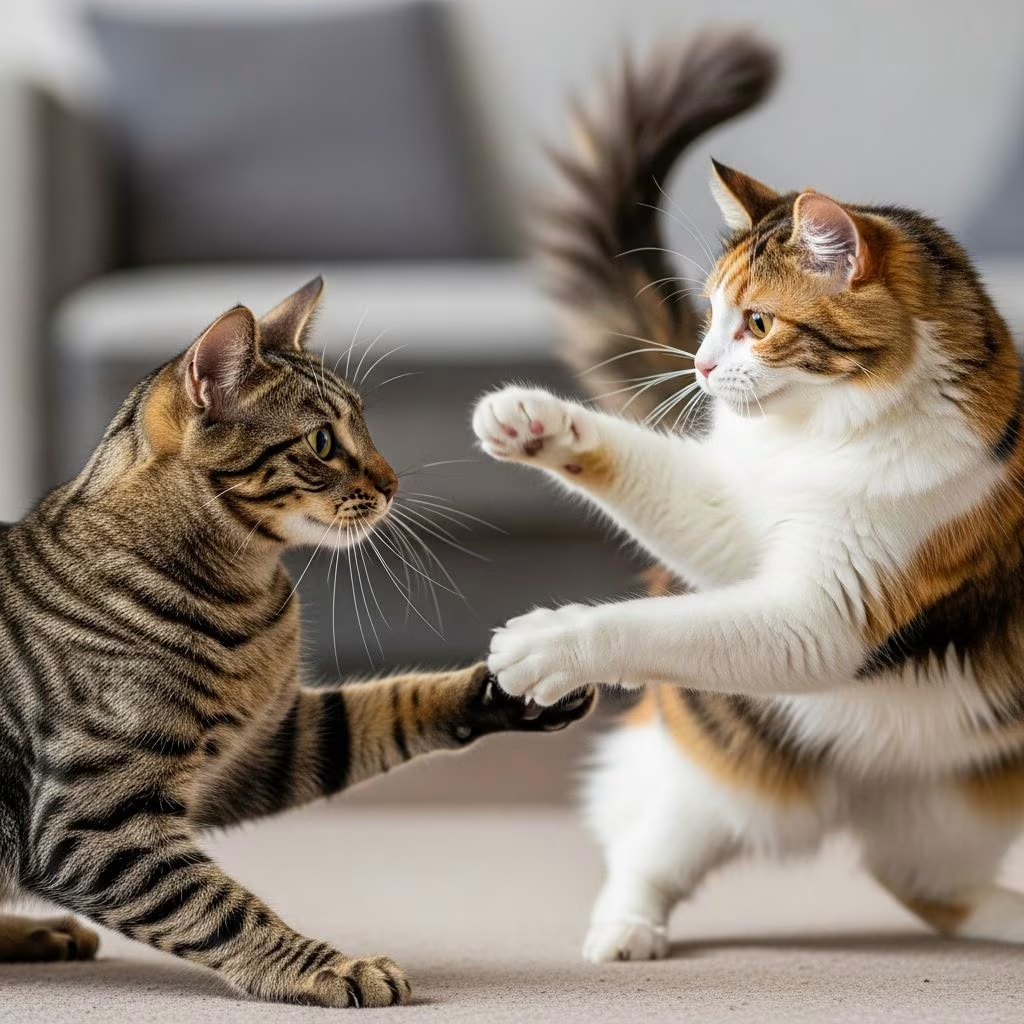
Observing two cats interact can be both entertaining and concerning for pet owners. Energetic chases, wrestling bouts, and mock battles often leave guardians wondering whether their felines are bonding through play or escalating into real conflict. Understanding the subtle differences in their behaviors is crucial for maintaining a peaceful household and preventing injuries. This article explores the primary indicators, drawing from veterinary observations and behavioral studies to equip you with the knowledge to intervene appropriately.
Understanding Feline Communication Basics
Cats communicate primarily through body language, vocalizations, and physical actions rather than words. Playful encounters mimic hunting and fighting instincts but remain controlled and reciprocal, allowing both cats to engage without harm. In contrast, fights stem from territorial disputes, fear, or resource competition, leading to intense, one-sided aggression. Recognizing these patterns early promotes cat health and reduces stress.
Key factors influencing these interactions include age, socialization history, and environment. Kittens naturally play-fight to develop skills, while adults may play less frequently but still benefit from it for exercise and mental stimulation. Multi-cat homes require vigilant monitoring to ensure play doesn’t turn sour.
Body Language: The Silent Signals
A cat’s posture reveals much about its intentions. During play, bodies stay loose and flexible, with smooth, flowing movements. Cats roll on the ground, bunny-kick gently, and switch roles fluidly—one moment chasing, the next being pursued.
- Relaxed muscles: No rigid tension; ears twitch playfully rather than flatten.
- Play bows: Front end down, rear up, inviting engagement.
- Reciprocal actions: Both cats participate equally, taking turns on top during wrestling.
Fighting cats, however, adopt stiff, defensive stances. They arch backs, puff fur to appear larger, and position aggressively—often pinning the other without role reversal. One cat may crouch low, ready to pounce harmfully, while the other flees or retaliates fiercely.
Vocalizations: Listening for Clues
Sounds provide immediate auditory cues. Play involves soft chirps, trills, or occasional meows signaling fun and invitation. These cheerful noises accompany light pawing or stalking.
Aggressive vocalizations escalate quickly: hisses warn of boundaries, growls indicate rising irritation, and yowls signal full-blown fights. These are guttural and prolonged, often paired with swatting or biting.
| Play Sounds | Fight Sounds |
|---|---|
| Chirps, trills, soft meows | Hisses, growls, yowls |
| Short, intermittent | Loud, continuous |
| Excited tone | Angry, defensive tone |
Note that a single hiss during play isn’t always alarming—it can be a reflexive response to excitement—but persistent growling demands attention.
Tail Movements: Excitement vs. Agitation
Tails are dynamic mood indicators. In play, tails wave high with quivering tips or gentle swishes, expressing joy and anticipation. A playful cat might loop its tail or hold it upright during chases.
Hostile tails thrash violently side-to-side, puff up, or hang low—clear aggression markers. Thumping tails signal frustration, often preceding attacks.
- Play tail: Elevated, twitching tip.
- Fight tail: Lashing, low-slung, or bushy.
Ear and Eye Positions: Subtle but Telling
Ears forward or swiveling suggest curiosity and play readiness. Backward-flattened ears against the head scream fear or fury, protecting vulnerable areas during fights.
Eyes during play constrict to slits or show moderate dilation for focus, with relaxed blinks. Fighting cats stare intensely with wide-open eyes and fully dilated pupils, pupils expanding for threat assessment.
Whiskers fan forward in play, signaling engagement, but pull tight to the face in fear or point aggressively in offense.
Mouth, Claws, and Contact Intensity
Playful bites are gentle mouthing without penetration—cats control force to avoid injury. Claws may extend slightly for traction but retract quickly, leaving no marks.
Fights involve hard bites drawing blood, fur-pulling, and deep scratches. Skin breaks, and wounds appear on faces or bellies.
Belly exposure in play shows trust (unlike dogs), inviting gentle pats. In fights, it’s defensive, paired with armed kicks.
Chase Dynamics and Session Patterns
Play chases are mutual: one cat pauses or returns for more, with frequent breaks for grooming or scratching posts. Sessions start-stop naturally, lasting variably but without exhaustion.
Fight chases are relentless; the pursued hides or bolts without re-engagement. No breaks occur, and pursuits continue across rooms.
Duration matters: play ebbs and flows, while fights prolong and intensify.
Age and Social Factors Influencing Behavior
Kittens play-fight constantly to hone predatory skills, rarely escalating truly. Adult cats play less but use it for socialization. Unneutered cats or those introduced abruptly fight more over territory.
A 2023 study analyzed cat videos, identifying playful (quiet wrestling), aggressive (chasing with yowls), and ambiguous interactions where one cat persists despite disinterest.
Steps to Encourage Healthy Play
- Provide enrichment: Toys, towers, and separate resources reduce competition.
- Monitor introductions: Slow, scent-swapping for new cats.
- Spay/neuter: Lowers aggression hormones.
- Interactive play: Daily sessions tire cats constructively.
When to Intervene and Seek Help
Safe play invigorates; fights risk abscesses, stress illnesses, or chronic fear. Interrupt with distractions like toys or claps—never hands. Separate if injuries occur.
Consult vets for persistent aggression, possible pain or medical issues mimicking fights. Behaviorists help with multi-cat dynamics.
Common Myths Debunked
- Myth: All wrestling is fighting. No—reciprocal, relaxed bouts are play.
- Myth: Hissing always means danger. Occasional hisses happen in excitement.
- Myth: Cats sort hierarchies naturally. Forced dominance causes trauma.
Frequently Asked Questions
How can I tell if my cats’ play is too rough?
Watch for yelps, fur loss, or one cat hiding post-session. Gentle contact and equal participation indicate safety.
Should I let kittens fight-play?
Yes, supervised—it’s essential learning, but stop true aggression.
What if one cat always dominates?
Unequal play signals bullying; add vertical space and consult experts.
Do fixed cats play-fight less?
Often yes, as hormones stabilize, but personality matters.
Is staring always aggressive?
In play, it’s brief; prolonged stares precede fights.
References
- How to tell if your cats are playing or fighting? — Apex Vets. 2023. https://apex.vet/blog/how-to-tell-if-your-cats-are-playing-or-fighting/
- Are My Cats Fighting or Playing? – Tails & Tips — Liz’s Kitty Boot Camp. 2023-07-24. https://lizskittybootcamp.com/2023/07/24/cats-fighting-playing/
- How to tell if cats are having fun — or if fur is flying — Science News Explores. 2023-01-26. https://www.snexplores.org/article/cat-behavior-play-fighting-signs
- 7 Clues to Tell if Your Cats are Fighting or Playing — YouTube (Video Transcript). N/A. https://www.youtube.com/watch?v=vunTmBIhTpE
- Are My Cats Playing or Fighting? (Cat Behaviorist Explains) — Cats.com. N/A. https://cats.com/are-my-cats-playing-or-fighting



