

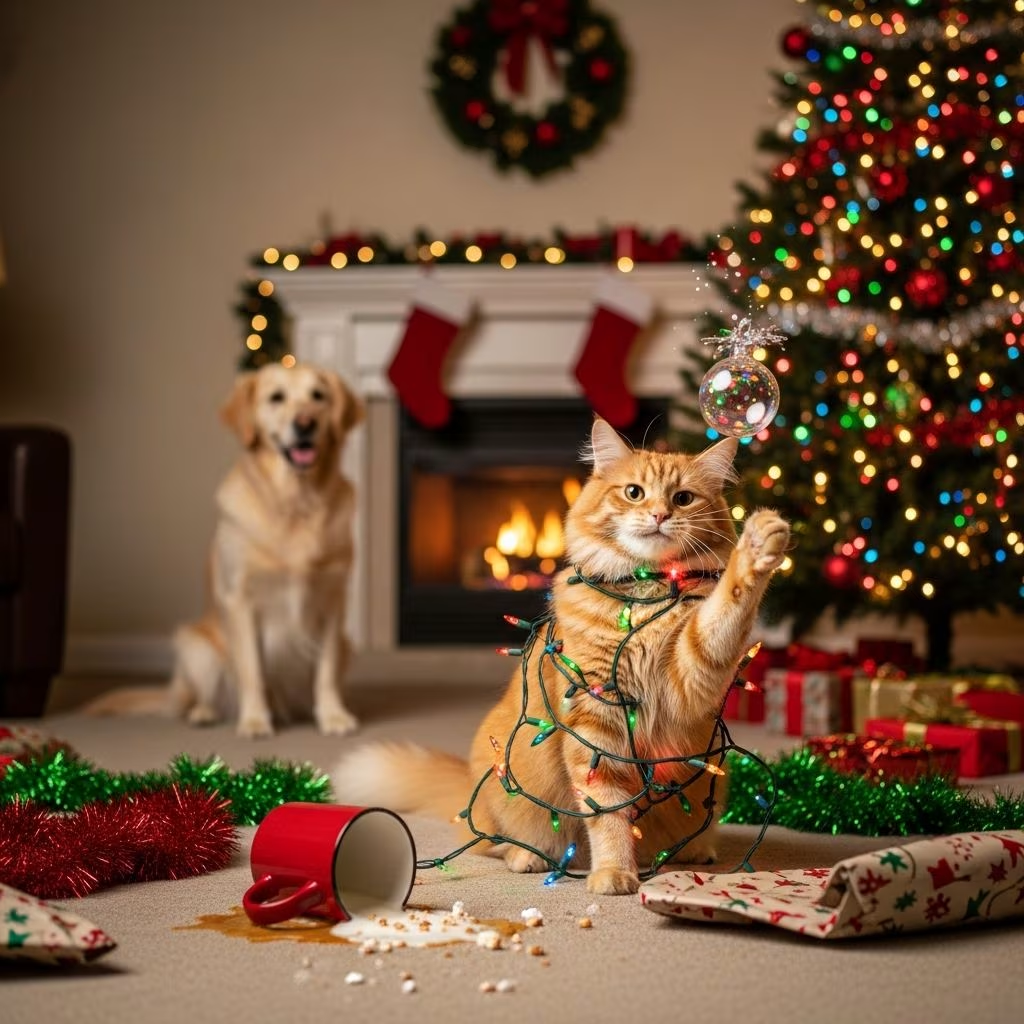
Poll: Cats Are Naughtier Than Dogs During the Holidays, Pet Parents Say
The holiday season brings joy, festive decorations, twinkling lights, and time with loved ones—including our furry family members. However, according to a comprehensive survey conducted by Chewy, pet parents are discovering that their feline companions may be causing more trouble than their canine counterparts during this merry time of year. Chewy polled hundreds of pet parents to understand holiday behavior patterns, and the results reveal surprising insights about which pets are most likely to end up on Santa’s naughty list.
As the holidays approach, many pet owners wonder how their beloved animals will behave around festive decorations, holiday treats, and the general excitement of the season. The survey findings suggest that cats, often perceived as more independent and aloof, are actually engaging in significantly more mischief than dogs during the holiday period. This discovery has important implications for how pet parents should prepare their homes and manage their pets during the festivities.
Understanding Holiday Pet Mischief
Holiday mischief in pets can take many forms, from knocking over decorated Christmas trees to playing with ornaments, chewing on electrical cords, or consuming toxic holiday plants and foods. Cats, with their natural curiosity and climbing abilities, present unique challenges during the holiday season. Their tendency to pounce on dangling decorations, climb trees in search of interactive ornaments, and investigate wrapped presents creates a perfect storm of potential holiday chaos.
Dogs, while capable of causing damage, tend to be more manageable during the holidays, possibly because pet parents often have more established routines and training measures in place for their canine companions. The survey indicates that cats’ independent nature and problem-solving abilities make them more likely to get into situations that pet parents would classify as mischievous or naughty behavior.
Common Holiday Mischief Behaviors
Understanding the types of mischief pets engage in during the holidays can help pet parents take preventative measures. The survey revealed several categories of problematic behavior:
Ornament and Decoration Destruction
Cats demonstrate a particular talent for batting at shiny ornaments, climbing Christmas trees, and unraveling garland. Their natural predatory instincts are triggered by the movement of swaying decorations and the sparkle of holiday baubles. Dogs may show interest in decorations as well, but they’re generally less likely to climb and perch on tree branches or dangle from lights.
Wrapped Present Investigation
Gifts wrapped and placed under the tree present irresistible temptations for curious pets. Cats may scratch at wrapping paper and ribbon, seeing them as toys, while dogs might attempt to unwrap or chew on packages. However, cats’ nimble paws and persistence make them particularly effective at destroying gift presentation.
Hazardous Food and Plant Consumption
Holiday treats, decorative plants, and festive foods pose serious health risks to pets. Cats are more likely to investigate unknown items and consume toxic substances like lilies, poinsettias, and chocolate. While dogs also eat dangerous items, pet parents typically exercise more caution with their canine companions during the holidays.
Survey Findings on Pet Holiday Behavior
The Chewy survey polled hundreds of pet parents across the United States to gather comprehensive data on holiday behavior patterns. The results provided clear evidence that cats engage in significantly more mischief than dogs during the festive season. Several key findings emerged from this research:
Behavioral Differences
Pet parents reported that their cats were substantially more likely to get into trouble during the holidays compared to their dogs. The independence and climbing abilities of cats make them particularly adept at accessing decorations and hazards that dogs might not reach. Additionally, cats’ nocturnal tendencies mean they may engage in mischievous behavior when pet parents are sleeping, leading to surprising discoveries on Christmas morning.
Holiday Participation
Interestingly, the survey also revealed that pets are actively participating in holiday celebrations with their families. From stockings hung above the fireplace to gifts wrapped under the tree, pet parents are fully including their animals in festive traditions. Many respondents reported purchasing holiday gifts specifically for their pets and creating special stockings filled with treats and toys.
Santa and the Naughty List
The concept of Santa’s naughty list resonated with pet parents, with many jokingly suggesting their cats would definitely be on it. This playful perspective reflects the reality that holiday mischief, while frustrating, is often seen as part of the charm and personality of their feline friends. Dogs, according to the survey, were perceived as more likely to maintain good behavior and potentially earn a spot on the nice list.
Why Cats Cause More Holiday Chaos
Natural Instincts and Abilities
Cats possess several physical and behavioral characteristics that make them particularly suited to causing holiday mischief. Their superior climbing abilities allow them to reach high shelves, tree tops, and mantels where decorations are placed. Their sharp claws are perfect for shredding wrapping paper, and their small size lets them squeeze into spaces where they can investigate wrapped presents and holiday decorations.
Curiosity and Problem-Solving
Felines are naturally curious creatures with exceptional problem-solving skills. They view holiday decorations not as sacred festive items but as interactive toys and puzzles to explore. The novel items brought into the home during holiday preparation—new plants, decorations, and food items—present endless opportunities for investigation and mischief.
Independence and Minimal Training
Unlike dogs, which are often trained with commands and boundaries, cats are generally permitted more freedom to explore their environment. Pet parents typically don’t train cats with the same intensity as dogs, which means fewer behavioral restrictions during the holiday season. This independence translates into greater opportunities for mischievous behavior.
Holiday Safety Tips for Pet Parents
Protecting Your Tree
– Secure your Christmas tree to a sturdy stand or wall anchor to prevent cats from knocking it over- Use pet-safe ornaments made from unbreakable materials instead of delicate glass- Avoid tinsel and string decorations that can cause intestinal blockages if ingested- Place a physical barrier, such as a pen or netting, around the tree base to limit access
Safe Decorations and Plants
– Replace toxic plants like lilies, poinsettias, and holly with pet-safe alternatives such as spider plants or African violets- Keep decorative lights positioned safely away from chewing hazards- Avoid using decorations with small parts that could be choking hazards- Store all decoration supplies in sealed containers kept in pet-free zones
Holiday Food Safety
– Keep holiday treats, candy, chocolate, and toxic foods like grapes, raisins, and xylitol-containing products completely out of reach- Ensure all guests understand which foods are safe to share with pets- Provide pet-appropriate holiday treats as alternatives to human food- Establish a designated space where pets can enjoy their own festive treats safely
Stress Reduction During Holidays
– Maintain regular feeding and play schedules despite holiday disruptions- Create a quiet, safe space where pets can retreat from holiday excitement- Keep toys and enrichment activities available to redirect playful energy- Consider calming supplements or pheromone diffusers if pets show signs of stress
Managing Holiday Mischief
Effective management of holiday mischief requires a combination of prevention, planning, and patience. Pet parents should start holiday preparations by identifying potential hazards and eliminating them before decorating. This proactive approach significantly reduces the likelihood of emergency veterinary visits during the busy holiday season.
Interactive play and enrichment activities can help redirect cats’ natural hunting and problem-solving instincts away from holiday decorations and toward appropriate toys and games. Providing climbing structures, puzzle feeders, and interactive toys gives cats constructive outlets for their energy and intelligence.
Supervision is crucial, especially during the first few days after holiday decorations are introduced. Pet parents should observe how their cats react to new items and make adjustments accordingly. Some cats may ignore decorations entirely, while others may become immediately fascinated with every new element in their environment.
Holiday Celebrations With Pets
Despite the potential for mischief, the Chewy survey revealed that pet parents are enthusiastically including their animals in holiday celebrations. Hanging stockings for pets, purchasing holiday gifts, and creating festive traditions that involve their furry family members has become increasingly common. This trend reflects the deep bonds between people and their pets and the desire to celebrate together.
Pet parents are getting creative with holiday celebrations, including themed photo sessions, holiday-themed pet clothing, and special holiday meals or treats prepared specifically for their animals. The holiday season provides an opportunity to strengthen the human-animal bond and create lasting memories with beloved pets.
Frequently Asked Questions (FAQs)
Q: Why are cats naughtier than dogs during the holidays?
A: Cats are more likely to cause holiday mischief due to their climbing abilities, natural curiosity, independence, and less structured training compared to dogs. Their instinct to investigate new items and interact with dangling decorations makes them particularly adept at causing holiday chaos.
Q: What are the most common holiday hazards for cats?
A: Common hazards include toxic plants like lilies and poinsettias, chocolate and candy, tinsel and string decorations, electrical cords, ornaments that can break and cause injuries, and foods containing xylitol or other toxic ingredients.
Q: How can I prevent my cat from climbing the Christmas tree?
A: Secure the tree to a wall or sturdy stand, place a physical barrier around the base, use unbreakable ornaments, and provide alternative climbing structures and enrichment activities away from the tree.
Q: Are dogs really better behaved during the holidays?
A: According to Chewy’s survey, dogs tend to cause less mischief during holidays than cats, though individual behavior varies. Dogs often have more established training and boundaries that help them maintain good behavior during festive seasons.
Q: What should I do if my cat ingests something toxic?
A: Contact your veterinarian or pet poison control immediately. Have information ready about what was ingested, when it happened, and your cat’s weight. Never wait to see if symptoms develop—immediate professional guidance can be life-saving.
Q: How can I include my cat in holiday celebrations safely?
A: Provide pet-safe gifts, create a dedicated holiday stocking with appropriate treats, take festive photos, maintain regular routines, and ensure all decorations and foods are non-toxic and safe for feline consumption.
References
- 2025 Pet Trend Report: Pets—They’re Just Like Us — Chewy. 2025. https://www.chewy.com/education/dog/general/pet-trend-report
- Chewy Claus to donate up to 16 million meals to shelter pets — Pet Food Industry. November 7, 2025. https://www.petfoodindustry.com/news-newsletters/pet-food-news/news/15771362/chewy-claus-to-donate-up-to-16-million-meals-to-shelter-pets
- Poll: Cats Are Naughtier Than Dogs During the Holidays, Pet Parents Say — Chewy. 2025. https://www.chewy.com/education/dog/general/holiday-trend-report
- 31 Festive Ways to Spend the Holidays With Your Pet — Chewy. 2025. https://www.chewy.com/education/cat/general/bechewy-calendar-pet-parent-checklist-dogs-cats-holidays-activities
- Chewy’s Holiday Guide: Helpful Tips, DIY Fun, Gift Ideas, and More — Chewy. 2025. https://www.chewy.com/education/dog/general/holiday-magazine



