

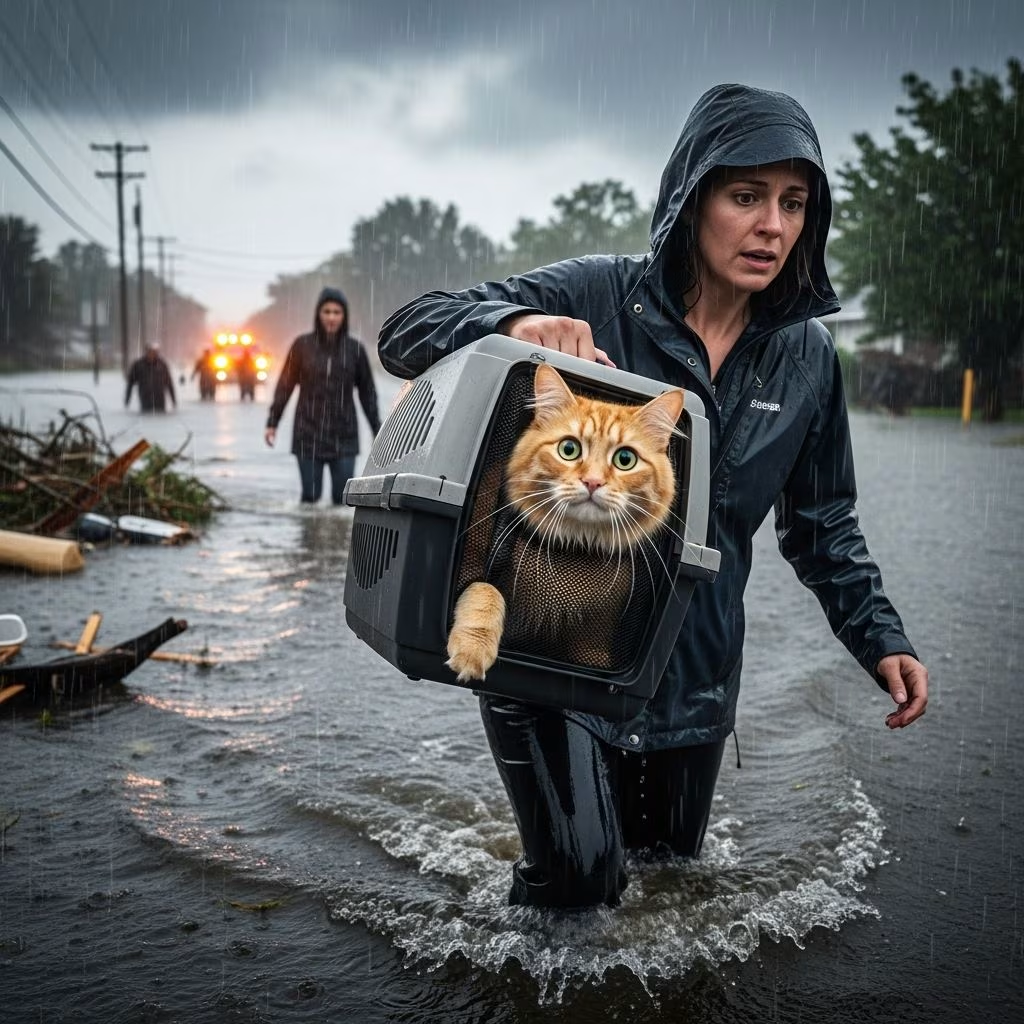
What to Do with Cats in a Natural Disaster: A Complete Preparedness Guide
Natural disasters strike without warning. Whether facing a hurricane, wildfire, flood, earthquake, or tornado, having a well-thought-out emergency plan for your cats can mean the difference between safety and tragedy. Cats left behind during disasters are likely to be injured or lost, even if you attempt to create a safe space for them at home. Since cats cannot prepare themselves for emergencies, responsible cat owners must take proactive steps now to protect their feline companions during crisis situations.
Why Cat Disaster Preparedness Matters
Many people focus disaster preparation on their own needs but overlook their pets. This oversight can have serious consequences. During evacuations, leaving pets out of emergency plans puts pets, pet owners, and first responders in danger. The stress and confusion of a disaster can cause normally calm cats to become frightened, aggressive, or attempt to escape. Additionally, environmental hazards like contaminated water, toxic chemicals, sharp debris, and wildlife pose serious health risks to unattended pets.
The key to cat safety during disasters is advance planning. By preparing now, you eliminate the chaos of last-minute decisions when an emergency strikes.
Build a Comprehensive Pet Disaster Kit
Your first priority should be assembling a disaster kit specifically for your cats. This kit should be stored in an easily accessible location—such as a plastic bin or backpack—that you can grab quickly during an evacuation.
Essential Supplies for Your Disaster Kit
Food and Water
- Five to seven days of food (both wet and dry options) per cat
- Bottled water supply (same duration as food)
- Food and water bowls
- Manual can opener for wet food
- Replace food and water supplies every six months to maintain freshness
Litter and Sanitation
- Litter box and litter (portable options work best)
- Litter scoop and garbage bags
- Extra poop bags
- Liquid dish soap and disinfectant for cleaning
- Towels and blankets
Medical and Identification Items
- All medications your cat requires with dosing information
- Pet first aid kit
- Copies of current vaccination records
- Microchip registration documents
- Veterinary contact information and medical history
- Proof of ownership (vet records, adoption documentation, licensing records)
- Recent photos of you with your cat (helps if separation occurs)
Transportation and Comfort Items
- Sturdy carriers or crates for each cat
- Extra collars and leashes
- Pet toys and treats
- A well-worn sweater or sweatshirt with your scent
- Favorite bed or blanket
- Flashlight and fresh batteries
Develop Your Evacuation Plan
A solid evacuation plan ensures you know exactly where to go and how to transport your cats safely when disaster strikes.
Identify Pet-Friendly Shelters in Advance
Most Red Cross shelters cannot accommodate pets, so you must research alternatives before an emergency. Start identifying pet-friendly options in your area:
- Pet-friendly hotels and motels
- Pet-friendly campgrounds
- Emergency boarding facilities
- Local animal shelters (check capacity and policies beforehand)
- Veterinary clinics in your area
The Red Cross has partnered with RedRover to help you locate pet-safe shelter options during emergencies. Keep a current list of these facilities in your disaster kit, including phone numbers and addresses. If possible, visit facilities in advance to ensure they meet your standards and comfort level.
Plan Multiple Evacuation Routes
Identify several routes out of your home and community. Natural disasters often block primary roads, so having backup routes prevents getting trapped. Consider how you’ll transport your cats in each scenario—by personal vehicle, public transportation, or with help from others.
Assign Emergency Pet Caregivers
You cannot predict where you’ll be when disaster strikes. Having designated caregivers ensures your cats receive care even if you cannot reach home immediately.
Local Emergency Contacts
Identify trusted neighbors or nearby family members who agree to care for your cats if you’re away. In exchange, offer to care for their pets during their absence. Ensure these individuals:
- Have keys or access codes to your home
- Know your cats’ daily routines and special needs
- Have access to your disaster kit supplies
- Understand medical requirements and medications
- Have current contact information for your veterinarian
Create a written list detailing your pets’ daily routines, special needs, medication instructions, and emergency supply locations. Provide copies to all designated caregivers, both in print and digitally.
Out-of-Area Emergency Contacts
Identify family or friends outside your immediate evacuation zone who agree to accommodate you and your cats if local options become unavailable. This contact should have similar information about your cats’ needs and how to reach you.
Keep Pet Identification Current
If you and your cat become separated during a disaster, proper identification is critical for reunification. Implement a multi-layered identification strategy:
ID Tags and Collars
- Keep your cat in a well-fitted breakaway collar with current ID tags
- Ensure tags display your current phone number and address
- Update information immediately if you move or change phone numbers
Microchipping
- Microchip your cat through your veterinarian
- Register the microchip with the appropriate registry
- Update your contact information with the microchip registry immediately if details change
Documentation
- Keep current photos of each cat, including distinctive markings
- License your pet with your local jurisdiction
- Maintain records in your disaster kit and at home
Practice Evacuation Procedures
Preparation means nothing if your cats panic during actual evacuation. Regular practice familiarizes both you and your cats with the process.
Carrier Training
Make carriers a comfortable, positive space rather than a source of stress. Leave carriers out with blankets and toys. Reward your cat for entering willingly with treats. Practice transporting your cat in the car regularly so the experience becomes normal.
Family Evacuation Drills
Have your entire household practice evacuation together. Everyone should know:
- Where to find cats (including hiding spots when frightened)
- How to safely capture and contain each cat
- What supplies to take
- Where the family will meet
For cats that hide when scared, practice removing your cat from its hiding spot using a carrier, pillowcase, sturdy box, or appropriate containment method.
Sheltering in Place: When You Cannot Evacuate
Some disasters may require sheltering in your home. Prepare your space to protect your cats.
Create a Safe Room
Select an interior room with no windows or few windows as your safe space. This room should:
- Be away from external walls and windows
- Have an alternative exit route
- Contain your cat’s essential supplies
Remove Hazards
- Eliminate toxic chemicals and poisonous plants
- Close off small spaces (vents, gaps under furniture) where frightened cats could hide and become trapped
- Secure heavy furniture that could fall
- Remove sharp objects and exposed wiring
Stock Essential Supplies
Keep extra food, water, litter, medications, and first aid supplies in your safe room.
Health and Safety During Disasters
Disaster conditions create health risks for your cats. Follow these guidelines to minimize illness and injury.
Sanitation and Disease Prevention
- Wash your hands after handling your cat, its food, or waste
- Do not allow your cat to lick your face or hands
- Properly clean and disinfect cages and litter boxes regularly
- Wash your pet’s bedding regularly
- Avoid stagnant water, especially after flooding—never allow pets to drink contaminated water
Vaccination and Medical Care
- Keep your cat up to date on all vaccinations before disaster season
- Maintain current heartworm, flea, and tick prevention
- Locate a veterinarian in your evacuation destination before needing emergency care
Handling Behavioral Changes
Your cat’s behavior may change dramatically during and after a disaster. Normally calm and friendly cats may become irritable, anxious, or defensive. During evacuation:
- Handle your cat carefully—stress may cause unpredictable behavior
- Keep your cat in a carrier or on a leash
- Prevent contact with other animals, wildlife, or strays
- Report any bite wounds to medical personnel immediately
- Monitor your cat closely once in a safe environment
Post-Disaster Recovery
Once the immediate danger passes, your cat still needs careful attention. Recovery can take weeks or months.
Assess Your Home
Before allowing your cat access to your home, inspect thoroughly for:
- Sharp objects and broken glass
- Spilled chemicals and hazardous materials
- Exposed electrical wiring
- Structural damage that could collapse
Monitor Your Cat’s Health and Behavior
Post-disaster stress manifests in physical and behavioral symptoms. Contact a veterinarian immediately if you notice signs of stress, discomfort, or illness. Common post-disaster issues include:
- Behavioral changes or aggression
- Loss of appetite or refusal to eat
- Digestive issues
- Excessive hiding or withdrawal
- Litter box avoidance
Gradual Reintegration
Even after returning home, keep your cat in a secure environment until you confirm the home is completely safe. Gradually reintroduce your cat to different areas as you complete repairs and cleanup.
Create a Disaster Emergency Record
Document critical information about each cat in an easily accessible format:
- Name, age, and breed
- Physical description and distinguishing markings
- Microchip number and registry information
- Current medications and dosages
- Veterinary clinic name, phone number, and address
- Veterinarian’s name
- Vaccination records
- Any health conditions or special needs
- Recent photo of each cat
- Photo of you with each cat (helps prove ownership)
Keep physical copies in your disaster kit and store digital copies in cloud storage accessible from any device.
Prepare for Different Types of Disasters
Different disasters present different challenges. Consider hazards most likely in your area:
- Hurricanes and Tornadoes: Focus on safe room selection and carrier training for rapid evacuation
- Wildfires: Have evacuation routes and destination locations pre-planned; consider air quality impacts
- Floods: Emphasize elevation of safe room; have supplies staged in high areas; prevent contact with contaminated water
- Earthquakes: Secure furniture; prepare for potential extended sheltering; stock extra food and water
- Winter Storms: Maintain heating supplies and extra blankets; prepare for potential loss of utilities
Frequently Asked Questions
Q: Can my cat stay at a Red Cross shelter with me during evacuation?
A: Most Red Cross shelters cannot accommodate pets. The Red Cross has partnered with RedRover to help you find pet-friendly shelter options in your area. Research and identify these alternatives before an emergency occurs.
Q: How often should I replace food and water in my disaster kit?
A: Replace all food and bottled water in your disaster kit every six months to ensure freshness and functionality. Mark your calendar with reminders.
Q: What if my cat refuses to go in the carrier during an emergency?
A: Regular practice and positive reinforcement make carriers less stressful. Start by leaving the carrier open at home with treats inside. Take short car rides regularly. As a backup, use a sturdy pillowcase or box to transport your cat if needed.
Q: Should my cat be microchipped and wear tags?
A: Yes—use both methods. Tags provide immediate identification, while microchips ensure identification if your cat loses its collar. Register your microchip and keep information current.
Q: What should I do if I become separated from my cat during a disaster?
A: Contact local animal shelters, veterinary clinics, and animal control immediately. Post flyers with your cat’s photo and your contact information throughout the area. Check shelters regularly. Ensure your cat is microchipped and wears current ID tags to facilitate reunification.
Q: How can I help my cat recover emotionally after a disaster?
A: Provide a secure, quiet space; maintain normal routines as much as possible; offer favorite toys and treats; and be patient with behavioral changes. Contact your veterinarian if stress symptoms persist or worsen.
Conclusion: Peace of Mind Through Preparation
Preparing your cats for natural disasters requires time and planning, but the effort provides invaluable peace of mind. By building a comprehensive disaster kit, creating an evacuation plan, identifying emergency caregivers, maintaining current identification, and practicing evacuation procedures, you dramatically increase your cats’ chances of surviving and thriving through crisis situations. Natural disasters are unpredictable, but your response does not need to be. Start preparing today so you and your beloved feline companions are ready when disaster strikes.
References
- Disaster Preparedness: Keeping Cats Safe — Cat Adoption Team. https://catadoptionteam.org/resources/disaster-preparedness-keeping-cats-safe/
- A Small Pet Owner’s Guide To Disaster Preparedness — Texas A&M School of Veterinary Medicine & Biomedical Sciences. https://vetmed.tamu.edu/news/pet-talk/small-pet-owner-guide-to-disaster-preparedness/
- Pet Emergency and Disaster Preparedness Guide — Best Friends Animal Society. https://bestfriends.org/pet-care-resources/pet-emergency-and-disaster-preparedness-guide
- Be Prepared: Pet Safety in Emergencies — Centers for Disease Control and Prevention (CDC). https://www.cdc.gov/healthy-pets/emergency-preparedness/index.html
- Pet Disaster Preparedness & Recovery — American Red Cross. https://www.redcross.org/get-help/how-to-prepare-for-emergencies/pet-disaster-preparedness.html



