

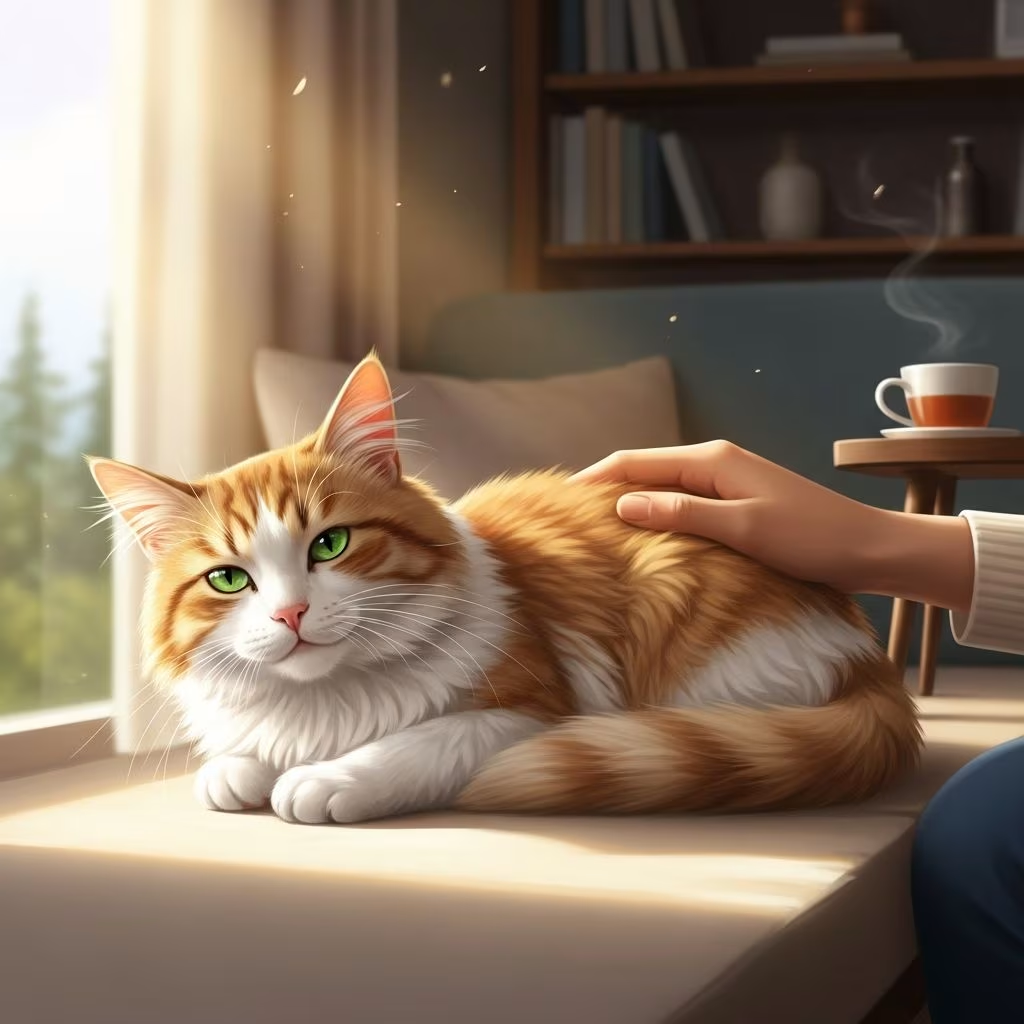
Feline companions offer more than affectionate purrs and playful antics; they serve as natural allies in combating everyday stress and elevating emotional states. Scientific research reveals that regular interactions with cats trigger beneficial physiological responses, including shifts in key hormones that promote relaxation and happiness.
The Science of Feline-Human Bonding
At the heart of the mood-enhancing power of cats lies a complex interplay of neurochemicals. When humans engage with cats through petting or simply being in their presence, the body releases oxytocin, often dubbed the ‘bonding hormone.’ This hormone fosters feelings of trust and connection while counteracting stress signals.
Studies demonstrate that cat interactions can modulate the autonomic nervous system. For instance, free interactions with domestic cats have been shown to decrease emotional arousal and parasympathetic activity while increasing heart rates, suggesting an arousing yet health-promoting effect rather than pure relaxation. This eustress, or positive stress, may build resilience against chronic stressors, contrasting traditional views of pet therapy as solely calming.
Additionally, cortisol levels, a primary marker of stress, often decline during these encounters. Research involving college students found that just 10 minutes of daily petting reduced cortisol, highlighting the accessibility of these benefits. Oxytocin surges correlate positively with cortisol in some contexts, indicating a nuanced mechanism where moderate arousal enhances overall well-being.
Hormonal Pathways to Reduced Anxiety
Cats influence multiple hormonal pathways that directly impact anxiety and mood. Serotonin and dopamine, neurotransmitters linked to pleasure and reward, increase with cat companionship, contributing to sustained positive moods.
One study observed married couples under stress tasks like math problems and cold exposure. Those with cats present exhibited lower resting heart rates, felt more challenged than threatened, and recovered faster post-stress, making fewer errors. Long-term ownership amplifies these effects; interactions with cats owned for over two years yield even greater reductions in heart rate and blood pressure.
- Oxytocin boost: Promotes bonding and suppresses excessive stress responses.
- Cortisol drop: Lowers risks of hypertension and related health issues.
- Sympathetic activation: Provides eustress for physiological resilience.
These changes extend to brain activity, activating regions like the prefrontal cortex associated with emotional regulation and decision-making during stress.
Emotional Support Across Life Stages
The psychological uplift from cats transcends age groups, offering companionship that combats loneliness and fosters nurturing instincts. Children with strong cat bonds report heightened attentiveness and reduced sadness, mirroring benefits in adults and seniors.
For isolated individuals, cats provide a non-judgmental outlet for conversation and affection, alleviating social anxiety. Unlike human interactions that may elevate blood pressure due to perceived judgment, cat engagements allow free expression, promoting calmness.
| Life Stage | Key Benefits | Supporting Evidence |
|---|---|---|
| Children | Less sadness, more attentiveness | Stronger bonds correlate with emotional gains |
| Adults | Reduced isolation, elevated mood | Single cat owners happier than some partnered individuals |
| Seniors | Companionship, nurturing outlet | Decreased depression rates |
Practical Ways Cats Alleviate Daily Stress
Incorporating cats into routines yields tangible stress relief. Petting sessions, even brief ones, serve as nonverbal communication that satisfies nurturing needs while pleasing the cat. Purring, a vibrational frequency around 25-150 Hz, may further aid healing by influencing pain perception and relaxation, though more research is needed.
Owners often seek cats during stress, as measured by emotional support scales. This seeking behavior underscores cats’ role in providing reliable comfort without demands.
- Daily petting routines: 10 minutes lowers cortisol effectively.
- Presence during tasks: Stabilizes vitals under pressure.
- Shared resting: Enhances oxytocin via proximity.
Beyond individuals, cats support immune responses indirectly through improved mood and motivation for healthy habits.
Building a Stress-Reducing Bond with Your Cat
To maximize benefits, focus on mutual comfort. Observe your cat’s cues for preferred interaction styles—some enjoy gentle strokes, others lap sitting. Consistency in positive encounters strengthens the bond, amplifying hormonal benefits over time.
Environmental factors matter; a low-stress home for the cat ensures reciprocal calm. Avoid overstimulation, as stressed cats may withdraw, diminishing therapeutic effects.
Potential Challenges and Considerations
While benefits are robust, individual responses vary. Some studies note initial heart rate increases, interpretable as eustress rather than distress. Allergies or mismatched personalities can hinder bonds, so adoption should prioritize compatibility.
Cats themselves experience stress from changes, underscoring the need for stable routines to sustain their calming influence.
FAQs on Cats and Stress Relief
How quickly do cats reduce stress?
Effects can emerge in as little as 10 minutes of interaction, with cortisol drops and mood lifts.
Do all cats provide the same benefits?
No; bond strength and interaction frequency matter most, enhanced by long-term ownership.
Can cats help with depression?
Yes, through companionship and social support, potentially improving motivation and immunity.
Is petting the only effective method?
No; mere presence, purring exposure, and play also contribute via oxytocin and relaxation.
What if my cat seems stressed?
Address feline stressors first with stable environments to maintain mutual benefits.
Integrating a cat into your life can profoundly reshape stress management. These animals offer a unique blend of independence and affection, delivering scientifically validated mood enhancements that endure.
References
- Effects of Interactions with Cats in Domestic Environment on Psychological and Physiological Indicators of the Owners — PMC/NCBI. 2023-07-01. https://pmc.ncbi.nlm.nih.gov/articles/PMC10340037/
- Psychological Benefits of Having a Cat — Purina US. 2023. https://www.purina.com/articles/cat/getting-a-cat/how-can-cats-improve-moods-and-reduce-stress
- Benefits of Being a Cat Lover According to Science — Healthline. 2023-08-15. https://www.healthline.com/health/benefits-of-being-cat-lover
- Feline Life Stressors — The Ohio State University Indoor Pet Initiative. 2024. https://indoorpet.osu.edu/cats/feline-life-stressors
- Tools for the Approach of Fear, Anxiety, and Stress in the Domestic Cat — Wiley Online Library. 2024-01-10. https://onlinelibrary.wiley.com/doi/full/10.1155/vmi/9109397



