

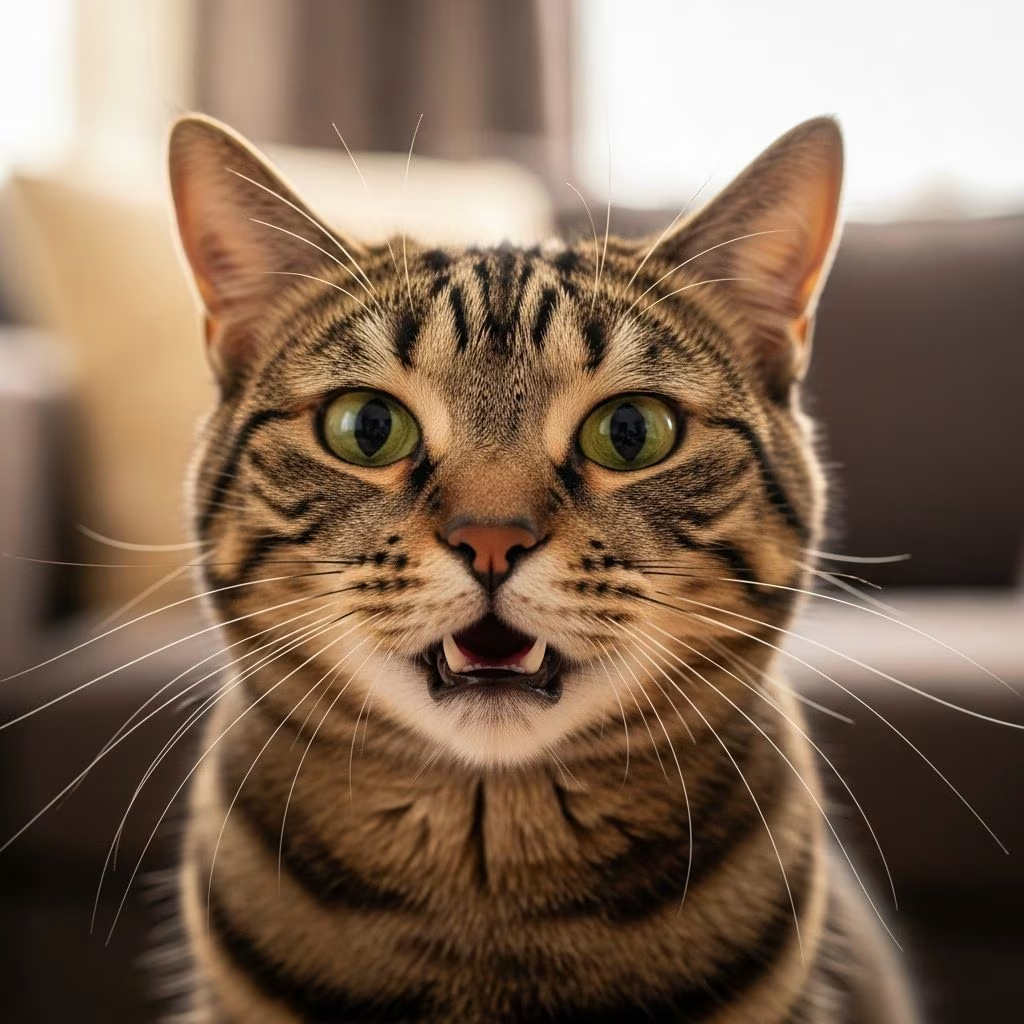
Why Does My Cat’s Meow Sound Strange?
Have you noticed that your cat’s meow sounds different lately? Perhaps it’s become hoarse, quieter, or has an unusual tone that’s unlike your feline companion’s typical vocalization. A change in your cat’s voice can be concerning for any pet owner, and it’s important to understand what might be causing this shift. While some changes in meowing are minor and resolve on their own, others may indicate an underlying health issue that requires veterinary attention. This comprehensive guide will help you identify the possible reasons behind your cat’s strange meow and determine when professional care is necessary.
Common Causes of Strange Cat Meows
Viral Upper Respiratory Infections
One of the most common reasons your cat’s meow might sound strange is a viral upper respiratory infection. These infections are typically caused by feline herpes virus or calicivirus, both of which are highly contagious among cats. When your cat develops a respiratory infection, inflammation affects not only the sinuses and airways but can also impact the larynx, leading to laryngitis. This inflammation causes the vocal cords to become irritated, resulting in a hoarse, raspy, or strained-sounding meow.
In most cases of viral upper respiratory infections, you’ll notice additional symptoms alongside the voice change. These may include:
- Runny or watery eyes
- Nasal discharge or a snotty nose
- Frequent sneezing
- Mild fever
- Lethargy or reduced activity
- Loss of appetite
The good news is that most viral upper respiratory infections are self-limiting and relatively benign. Your cat’s immune system will typically clear the infection within one to three weeks. However, during recovery, your cat’s voice may remain altered. Most cats recover completely, and their normal meow returns once the infection fully resolves.
Laryngitis and Voice Loss
Laryngitis, or inflammation of the larynx, is a condition that can develop secondary to respiratory infections or other irritants. When the larynx becomes inflamed, it directly affects how sound is produced when your cat vocalizes. The result can be a voice that sounds hoarse, breathy, or even completely lost in severe cases. Some cats with laryngitis may appear to meow, but little to no sound comes out—a condition sometimes called a silent meow.
Laryngitis may develop from:
- Viral or bacterial infections
- Environmental irritants or smoke exposure
- Excessive vocalization or strain
- Trauma to the throat area
In most cases, laryngitis resolves with rest and time as the underlying infection clears. However, if your cat’s voice doesn’t return to normal after several weeks, or if the condition worsens, veterinary evaluation is essential.
Less Common But Serious Causes
Laryngeal Paralysis
While less common than respiratory infections, laryngeal paralysis is a more serious condition that can cause significant changes in your cat’s meow. In this condition, the nerve that controls the vocal folds becomes damaged or dysfunctional, preventing the larynx from opening properly during normal breathing and vocalization. The result is a distinctive change in voice quality—often described as breathy or weak.
Laryngeal paralysis may be caused by:
- Nerve damage from trauma or injury
- Neurological disorders
- Age-related degeneration
- Chronic underlying conditions
Unlike viral infections that typically resolve on their own, laryngeal paralysis often requires veterinary management. In some cases, surgical intervention may be necessary to ensure your cat can breathe and vocalize normally.
Tumors of the Vocal Cords or Larynx
Though rare, tumors involving the vocal cords or larynx can cause changes in your cat’s meow. These may be benign or malignant growths that affect how the vocal apparatus functions. A tumor can cause voice hoarseness, a strained or unusual meow, or even complete voice loss depending on its size and location.
Warning signs that a tumor might be present include:
- Persistent voice changes lasting more than three weeks
- Progressive worsening of the meow over time
- Difficulty swallowing or eating
- Coughing or gagging
- Weight loss
- Labored breathing in severe cases
Early detection is crucial for the best outcome, making veterinary evaluation essential if you suspect a tumor.
When to Seek Veterinary Care
Red Flags That Require Immediate Attention
While many causes of strange meows are benign, certain signs indicate your cat needs prompt veterinary evaluation: Any change in voice should be evaluated by your veterinarian, but especially urgent situations include:
- Complete loss of voice lasting more than a few days
- Difficulty breathing or labored breathing
- Coughing or gagging that accompanies the voice change
- Reluctance to eat or difficulty swallowing
- Excessive drooling
- Visible throat swelling
- Lethargy or signs of significant illness
- Progressive worsening over several days
Diagnostic Process at the Veterinary Clinic
When you bring your cat in for a strange meow, your veterinarian will conduct a thorough examination. In most cases, a cause is never identified with simple observation. However, your vet might want to sedate your cat to perform a detailed evaluation of the throat and vocal cords to make sure there are no masses or obstructions and to evaluate for laryngeal paralysis.
The diagnostic process may include:
- Complete physical examination
- Throat visualization and palpation
- Assessment of other respiratory signs
- Laryngoscopy (using a special scope to visualize the larynx) under sedation
- Blood work if hyperthyroidism or other systemic conditions are suspected
- Imaging studies if a tumor is suspected
Management and Recovery
Treating Viral Respiratory Infections
If your cat’s strange meow is due to a viral upper respiratory infection, treatment is primarily supportive. Your veterinarian may recommend:
- Rest in a warm, quiet environment
- Humidifying the air to soothe irritated airways
- Encouraging fluid intake through wet food or broths
- Appropriate pain management if needed
- Antibiotics if a secondary bacterial infection develops
Most cats recover fully within two to three weeks, though their voice may take slightly longer to return to normal.
Supporting Your Cat During Voice Changes
Regardless of the cause, you can help your cat during this uncomfortable period by:
- Minimizing environmental stressors
- Providing a calm, quiet space for recovery
- Ensuring access to fresh water and tempting, easy-to-swallow foods
- Using a humidifier to add moisture to the air
- Avoiding loud noises or excessive stimulation
- Keeping your cat indoors during recovery
Prevention Tips
Reducing the Risk of Respiratory Infections
While you can’t prevent all infections, several measures can reduce your cat’s risk of developing respiratory illnesses that cause voice changes:
- Ensure your cat is up-to-date on all vaccinations, including feline herpes and calicivirus vaccines
- Minimize stress, as stress can weaken immune function
- Avoid exposing your cat to smoke and other air irritants
- Maintain good indoor air quality
- Practice good hygiene and handwashing if multiple cats are in the home
- Provide a balanced, nutritious diet to support immune health
FAQs About Strange Cat Meows
Q: How long should I wait before seeing a vet about my cat’s strange meow?
If your cat’s meow changes suddenly, schedule a veterinary appointment within the next few days. If the change is accompanied by other signs of illness (runny eyes, sneezing, fever), see your vet sooner. If there’s any difficulty breathing, seek immediate veterinary care.
Q: Can stress cause my cat’s meow to sound strange?
While stress itself typically doesn’t directly change your cat’s voice, it can weaken the immune system and make your cat more susceptible to infections that do cause voice changes. Additionally, extreme stress or anxiety might temporarily affect vocalization patterns.
Q: Is a hoarse meow always a sign of something serious?
Not necessarily. Most cases of hoarse meows are caused by viral upper respiratory infections, which are relatively benign and self-limiting. However, any persistent voice change warrants veterinary evaluation to rule out more serious conditions.
Q: Can my cat’s meow permanently change?
In most cases, your cat’s meow returns to normal once the underlying cause is treated and resolved. However, in cases of laryngeal paralysis, significant scarring from severe infection, or certain neurological conditions, voice changes may be permanent.
Q: Should I be worried if my indoor cat has a strange meow?
Yes, you should still have your indoor cat evaluated. While indoor cats have lower exposure to certain pathogens, they can still develop viral respiratory infections, laryngitis, and other conditions affecting the voice. Additionally, indoor cats can develop age-related conditions like cognitive dysfunction that affect vocalization.
Q: What can I do at home to help my cat with a strange meow?
Provide a quiet, comfortable environment with good humidity. Encourage eating and drinking with appealing, soft foods and fresh water. Avoid activities that might strain the larynx further. Follow any specific recommendations from your veterinarian.
References
- Cat’s Meow Sounds Strange — Chewy. 2024. https://www.chewy.com/education/cat/training-and-behavior/cats-meow-sounds-strange
- Meowing and Yowling — American Society for the Prevention of Cruelty to Animals (ASPCA). 2024. https://www.aspca.org/pet-care/cat-care/common-cat-behavior-issues/meowing-and-yowling
- 9 Cat Noises and What They Mean — PetMD. 2024. https://www.petmd.com/cat/general-health/cat-noises



