Cat’s Meow: Understanding Caterwauling in Cats
Learn why cats caterwaul and how to address excessive vocalization in your feline companion.
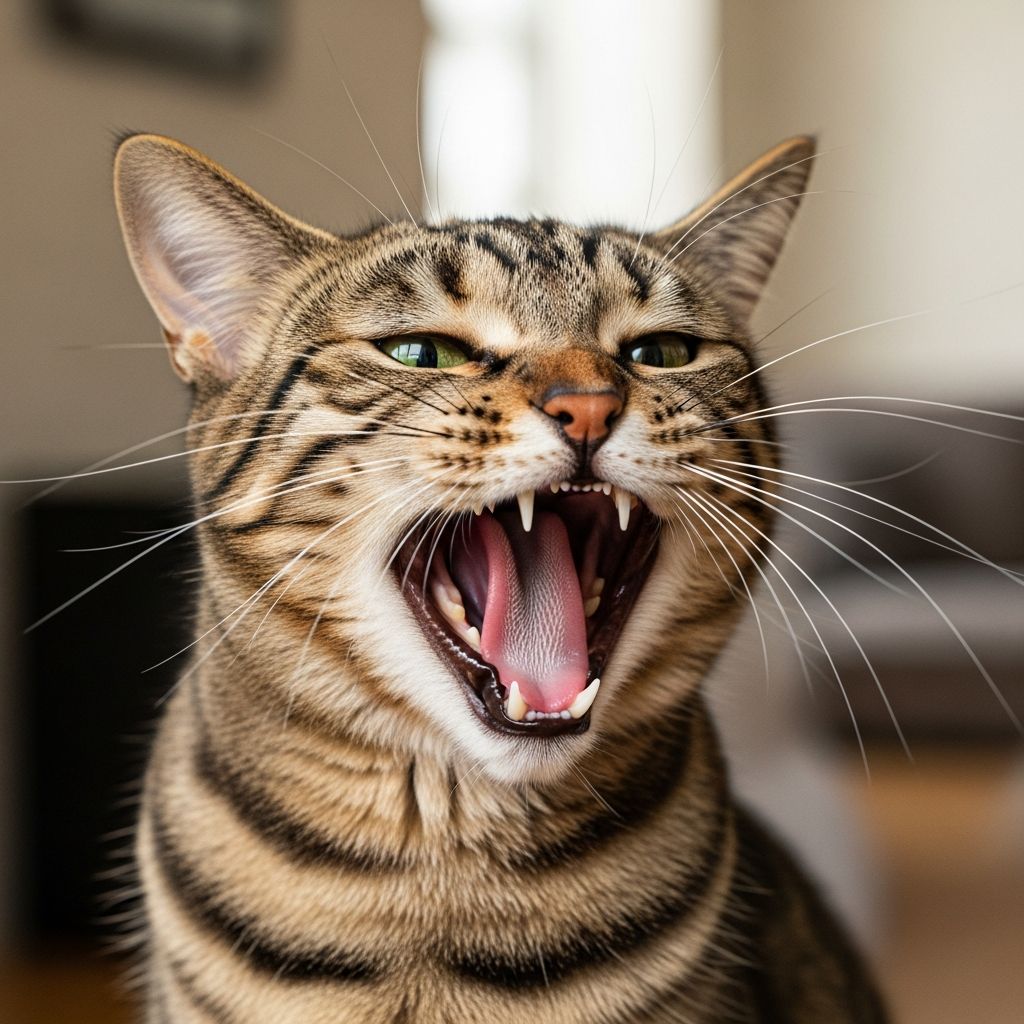
The Cat’s Meow: Caterwauling in Cats
Caterwauling—that distinctive yowling sound cats make—is a form of communication that can mean many different things. While some cat owners find their feline companions charmingly talkative, others may be concerned when their normally quiet cat suddenly becomes exceptionally vocal. Understanding why cats caterwaul is essential for pet owners who want to ensure their cats are healthy, happy, and their behavior is appropriate. This guide explores the various reasons behind caterwauling and helps you determine when it’s a cause for concern.
What Is Caterwauling?
Caterwauling is a loud, prolonged vocalization that sounds quite different from a cat’s typical meow. It’s often described as a yowl or wail and can range from mildly annoying to ear-splittingly loud. The sound is produced when cats manipulate their vocal cords in a specific way, creating that distinctive howling noise that many cat owners recognize immediately. Unlike their regular meow, which cats use to communicate with humans, caterwauling is typically a more intense and emotionally charged form of expression.
Why Do Cats Howl?
Cats caterwaul to communicate many needs and emotions. Understanding the root cause of your cat’s excessive vocalization is crucial for addressing the issue effectively. Here are the primary reasons why cats engage in this behavior:
Physical Problems
One of the most significant reasons cats caterwaul is due to physical discomfort or illness. Cats that are in pain will often make noise to communicate their distress. If their tummy hurts, or they have arthritic joints, or they are injured, they frequently vocalize. Cats with systemic medical problems like thyroid disease or kidney malfunction (often associated with high blood pressure) may howl, too. Any number of ailments can cause caterwauling, making a veterinary examination essential when you notice a sudden change in your cat’s vocalization patterns.
Common health conditions that lead to caterwauling include:
– Kidney disease and urinary tract issues- Hyperthyroidism (overactive thyroid)- Arthritis and joint pain- Dental disease and tooth pain- High blood pressure (hypertension)- Gastrointestinal issues- Neurological conditions
If your cat begins making strange noises, start with a visit to your veterinarian to rule out medical problems. A professional examination can identify underlying conditions that may be causing the excessive vocalization.
Insecurity and Anxiety
Cats don’t like change, and they often become anxious if new people or pets join the family or if the existing family moves into a new home. Cats may become frustrated if their human gets a job or goes to school and leaves them alone. Caterwauling may be their way of telling you they are insecure or unhappy with their new circumstances. Stressed-out cats can really make noise!
Environmental changes that trigger caterwauling include:
– Moving to a new house- Introduction of new family members or pets- Changes in the owner’s work schedule- Loud noises or household disruptions- Separation anxiety when owners leave
Cognitive Dysfunction in Senior Cats
Cats are historically nocturnal creatures, but with cognitive dysfunction, cats may howl at all hours. Feline cognitive dysfunction (FCD) is an age-related health condition similar to Alzheimer’s or dementia that affects senior cats. Since older cats often have hearing loss, they may turn up the volume on their vocalizations. With declining vision, they may wander aimlessly and stumble around the house, and as they become increasingly frustrated, the caterwauling may escalate even more.
Signs of cognitive dysfunction in cats include:
– Disorientation and confusion- Excessive vocalization, especially at night- Changes in sleep patterns- Altered litter box habits- Pacing and wandering- Loss of recognition of family members
Medical Conditions Associated with Caterwauling
Hyperthyroidism
This common condition in older cats causes the thyroid gland to produce too much hormone, speeding up metabolism. One of the hallmark signs is increased vocalization, especially at night. Other symptoms include weight loss despite a good appetite, hyperactivity, and restlessness. Cats with an overactive thyroid are often on “high drive,” and they can have secondary hypertension (high blood pressure). These cats can be exceptionally vocal as well as restless.
Kidney Disease
Cats who are unable to filter waste from their body may experience painful conditions that cause them to cry. Kidney disease is particularly common in senior cats and can lead to significant discomfort. If your cat has kidney disease, they may vocalize more frequently as a sign of pain or distress.
Hypertension (High Blood Pressure)
Hypertension can cause headaches and vision changes that make cats cry out, especially at night when the house is quiet. This condition is often associated with other health issues and can contribute to increased vocalization patterns.
Neurological Issues
While rare, structural changes in the brain can lead to altered behavior and increased vocalization. Cats with neurological issues may also show signs like circling, unsteady walking, or head pressing. Brain tumors, infections, or trauma may change the way a cat processes sounds and sights, triggering unexpected meows.
Sensory Decline
Hearing or vision loss can lead to confusion and louder meowing, as cats try to navigate their world with limited input. They may cry out more simply because they feel unsure of their surroundings. This is particularly common in aging cats.
Behavioral Causes of Caterwauling
Seeking Attention
In some cases, caterwauling occurs simply because your cat wants your attention. If you frequently react to caterwauling with food or treats, then your cat has learned to make this sound whenever she wants an edible reward. Cats need regular stimulation and exercise, so to prevent caterwauling out of boredom, play with your cat to make sure she’s good and tired before bedtime.
Mating Behavior
Unspayed or unneutered cats may caterwaul as a sign they are seeking a mate. This is a natural instinct and can be resolved through spaying or neutering your feline companion.
Boredom
Cats that don’t receive adequate mental stimulation and physical exercise may vocalize excessively out of boredom. Providing interactive toys, puzzle feeders, and regular play sessions can help address this issue.
When to Seek Veterinary Care
While most chatty episodes can wait for a routine appointment, you should seek urgent care if you notice:
– Sudden loud crying paired with open-mouth breathing or collapse- Unrelenting yowling plus straining in the litter box (possible urinary blockage)- Vocalization with hind-leg weakness, head tilt, or seizures
These signs may indicate life-threatening conditions such as arterial thromboembolism, urinary obstruction, or acute neurologic events and should be assessed immediately. Additionally, if your cat’s meow suddenly sounds different, often taking on a hoarse sound, consult with your veterinarian, as this could indicate an upper respiratory infection, laryngitis, laryngeal paralysis, or tumors.
Managing Excessive Caterwauling
For Attention-Seeking Behavior
For cats that have developed the habit of wailing in the middle of the night, it’s best to discourage this behavior by ignoring them, even if it means using earplugs. Resist the urge to reward the behavior with food, treats, or attention. Instead, reward quiet behavior with positive reinforcement.
For Anxiety and Insecurity
Provide a stable and comforting environment to help reduce stress-related vocalization. Consider using calming products like pheromone diffusers, creating safe spaces, and maintaining consistent routines. Additional support might include interactive play sessions and enrichment activities that keep your cat mentally engaged.
For Cognitive Dysfunction
One way to help your cat feel less fearful and more confident is to place nightlights around your home. This helps senior cats with declining vision navigate their environment more safely. Additionally, maintaining consistent routines and providing a calm, predictable environment can help reduce anxiety related to cognitive decline.
Frequently Asked Questions (FAQs)
Q: Is caterwauling always a sign of a medical problem?
A: No, caterwauling can result from behavioral issues like seeking attention or anxiety, but medical problems are common causes. If your cat suddenly starts caterwauling, it’s best to consult with your veterinarian to rule out health conditions.
Q: Can spaying or neutering reduce caterwauling?
A: Yes, if your cat is caterwauling due to mating instincts, spaying or neutering will significantly reduce or eliminate this behavior. It’s one of the most effective solutions for this type of vocalization.
Q: What should I do if my cat caterwauls at night?
A: First, ensure your cat has had adequate exercise and playtime during the day. If nighttime vocalization persists, consult your veterinarian to rule out medical conditions like hyperthyroidism, kidney disease, or cognitive dysfunction. For senior cats, providing nightlights can help them feel more secure.
Q: How can I tell if my cat is in pain?
A: Signs of pain in cats include increased vocalization, restlessness, reluctance to move, changes in eating or litter box habits, and behavioral changes. Any significant change in your cat’s usual behavior warrants a veterinary examination.
Q: Is it normal for senior cats to caterwaul more?
A: Increased vocalization in senior cats can be normal due to hearing or vision loss, but it can also indicate cognitive dysfunction or medical issues like hyperthyroidism or kidney disease. A veterinary check-up is recommended to determine the cause.
Q: Can anxiety medication help with caterwauling?
A: In some cases, if caterwauling is due to anxiety or stress-related issues, your veterinarian may recommend anxiety medication or behavioral modifications. The appropriate treatment depends on the underlying cause.
References
- What Is Caterwauling & Why Do Cats Do It? — Healthy Paws Pet Insurance. 2024. https://www.healthypawspetinsurance.com/blog/what-is-caterwauling-why-do-cats-do-it
- The Cat’s Meow! Caterwauling in Cats — VCA Animal Hospitals. 2024. https://vcahospitals.com/know-your-pet/the-cats-meow-caterwauling-in-cats
- Why Is My Cat Meowing So Much? Exploring Excessive Vocalization in Cats — Bayview Pets. 2024. https://bayviewpets.com/why-is-my-cat-meowing-so-much-exploring-excessive-vocalization-in-cats/
- When Cats Get Chatty: What Excessive Meowing Tells You — Northwood Veterinary. 2024. https://northwoodveterinary.com/when-cats-get-chatty-what-excessive-meowing-tells-you/
- 10 Reasons Your Cat Cries Or Meows At Night (and What To Do) — Atlantic Vets Seattle. 2024. https://atlanticvetseattle.com/10-reasons-your-cat-cries-or-meows-at-night/
- Why Is My Cat Meowing So Much? — PetMD. 2024. https://www.petmd.com/cat/behavior/cat-meowing
- Meowing and Yowling — ASPCA. 2024. https://www.aspca.org/pet-care/cat-care/common-cat-behavior-issues/meowing-and-yowling
Similar Articles







Read full bio of medha deb