

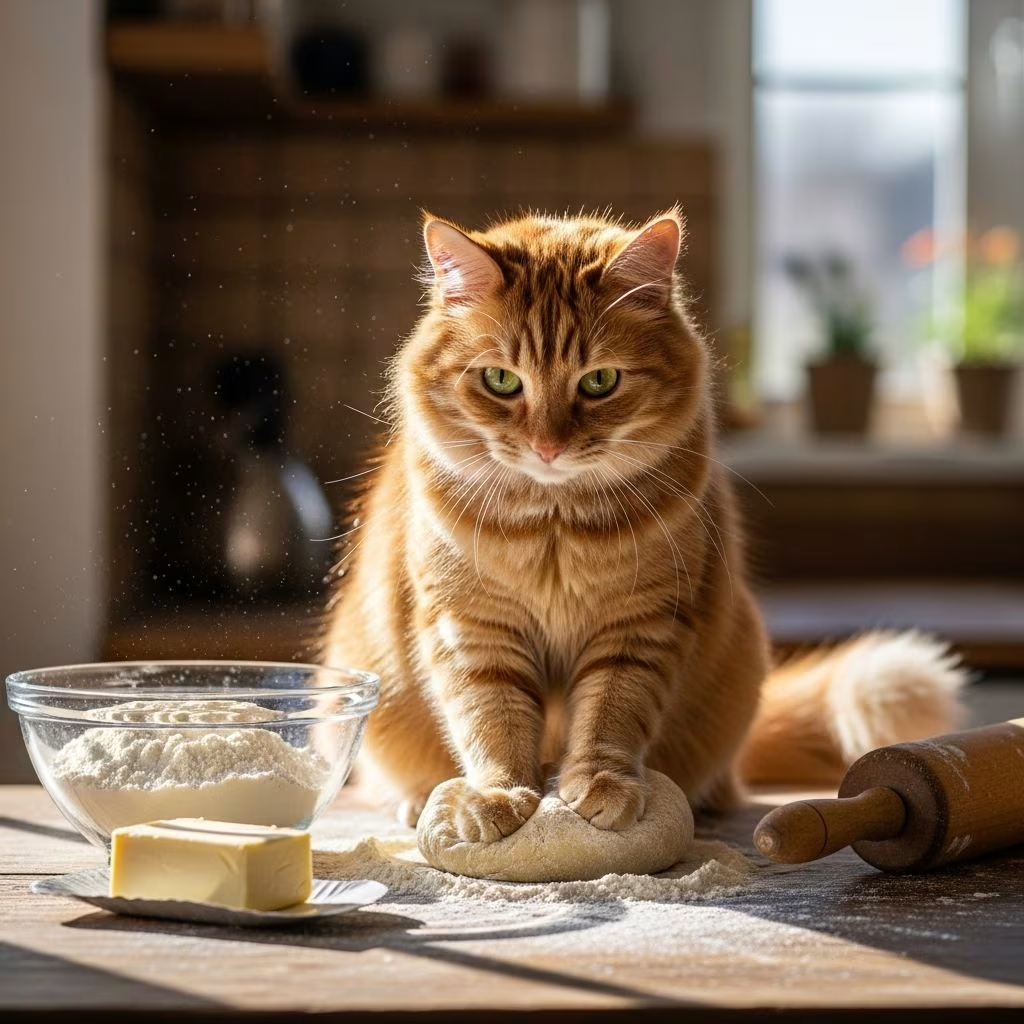
Have you ever watched your cat rhythmically pushing their paws in and out against a soft surface, blanket, or even your lap? This endearing behavior, often called “making biscuits” or kneading, is one of the most charming quirks of domestic cats. Far from random, it’s a deeply ingrained instinct that reveals much about your feline friend’s emotions and history. In this article, we’ll dive into the reasons behind cats making biscuits, exploring its origins, meanings, and what to do if it becomes problematic.
What Is Cats Making Biscuits?
Cats making biscuits refers to the kneading motion where a cat alternately pushes out and pulls in its front paws against a soft surface, often with claws extended slightly, mimicking the action of kneading dough. This behavior is prevalent in domestic cats when they feel relaxed and content. Kittens start this early in life, and many continue it into adulthood as a sign of comfort. Owners often describe it as their cat “massaging” blankets, pillows, or laps, sometimes accompanied by purring and half-closed eyes indicating pure bliss.
The term “making biscuits” whimsically captures the paw-pawing motion, evoking images of a tiny baker at work. Scientifically, it’s known as kneading, and it’s not unique to domestic cats—wild felines exhibit similar actions to prepare bedding.
Why Do Cats Make Biscuits? 7 Key Reasons
There are several well-documented reasons why cats knead, blending instinct, emotion, and survival behaviors passed down from their ancestors. Here’s a breakdown of the primary motivations:
- Instinct from Kittenhood: The most common origin traces back to nursing. Kittens knead their mother’s belly to stimulate milk flow, a reflex that pairs with the comfort of mother’s milk and pheromones. This association with safety and nourishment persists, so adult cats knead to recreate that soothing sensation.
- Happiness and Comfort: Kneading signals ultimate relaxation. When your cat makes biscuits on your lap during petting sessions, it’s their way of saying they feel secure and loved. The harder they knead, the deeper the affection, often paired with purring.
- Nest Preparation: Drawing from wild roots, cats knead to soften grass, leaves, or bedding for a cozy sleeping spot. Domestic cats do this on blankets or beds, patting down fabric to make it just right before curling up.
- Scent Marking Territory: Cats have scent glands in their paw pads. Kneading deposits pheromones, claiming the surface (or you!) as theirs. This communicates to other cats: “This is mine.” It’s especially common on favorite toys or your clothing.
- Showing Affection: Kneading you directly is a high compliment. It links back to kitten-mother bonding, transferring that love to trusted humans. Eye contact during kneading amplifies this bond.
- Stress Relief and Stretching: The rhythmic motion stretches paw muscles and relieves tension, promoting physical comfort much like a self-massage.
- Pre-Labor Preparation: Pregnant queens knead bedding extensively to create a safe nest for kittens, a sign labor may be near if combined with other symptoms like belly enlargement.
Is Cat Kneading Normal?
Absolutely—kneading is a normal, healthy behavior in most cats. Vets consider it a positive indicator of well-being, not a concern unless accompanied by aggression, excessive drooling, or vocalizing, which might signal pain or illness. Some cats outgrow it post-kittenhood, while others knead lifelong, influenced by personality and early experiences.
Why Do Some Cats Knead More Than Others?
Individual differences play a big role. Kittens weaned early may knead more to self-soothe, mimicking nursing. Breeds like Ragdolls or Siamese are notorious “biscuit-makers” due to their affectionate natures. Stressful environments can increase kneading as a coping mechanism, while confident, secure cats knead purely for joy.
Age matters too: Older cats might knead less if arthritis limits mobility, but the instinct remains. Observing patterns—such as kneading only during cuddles—helps owners understand their cat’s unique triggers.
Why Is My Cat Making Biscuits and Purring?
Purring amplifies the bliss. Kneading + purring = peak contentment. The vibrations from purring release endorphins, enhancing relaxation. If your cat stares lovingly while doing this, they’re bonding deeply, strengthening your relationship.
Why Do Cats Make Biscuits with Claws?
Claws extend naturally during kneading, a holdover from kittenhood when it aided milk let-down. In adults, it’s harmless on fabrics but painful on skin. It’s not aggression—pure instinct. Trimming nails regularly helps.
Cat Making Biscuits Aggressively: When to Worry
Rarely problematic, but watch for:
- Biting or hissing while kneading (redirect immediately).
- Excessive wool-sucking or seizures (neurological issue).
- Sudden onset in adults (pain, hyperthyroidism, or stress).
Consult a vet if behavior changes abruptly. Most cases are benign, but professional eyes rule out health issues.
How to Stop Cats from Making Biscuits on You
You can’t (and shouldn’t) eliminate kneading entirely—it’s essential for their happiness. Instead, redirect:
| Method | How It Works | Tips |
|---|---|---|
| Provide Alternatives | Offer blankets, cat beds, or scratch pads. | Choose super-soft textures they love. |
| Nail Trims | Blunt claws reduce scratches. | Do weekly; use clippers designed for cats. |
| Positive Reinforcement | Reward blanket-kneading with treats. | Ignore lap-kneading gently. |
| Protective Barriers | Wear thick pants or use blankets on lap. | Transition to toys over time. |
| Enrichment | More play reduces stress-kneading. | Interactive toys daily. |
Patience is key—punishment increases stress, worsening behavior.
Cats Making Biscuits on Blankets: Is It Safe?
Yes, and encouraged! It prevents furniture damage and lets them express instincts. Some cats suckle blankets too (wool-sucking), harmless unless obsessive. Supervise to avoid ingestion risks.
Do All Cats Make Biscuits?
No—about 70-80% do, per anecdotal vet reports. Feral or less-socialized cats knead less. It’s more common in friendly, lap-cat breeds.
Frequently Asked Questions (FAQs)
Why is my cat making biscuits on me?
Your cat feels safe, loves you, and marks you as theirs. It’s a profound sign of trust.
Is cat kneading a sign of pain?
Usually not, but sudden intense kneading with limping or hiding warrants a vet check.
Why do cats knead and suckle?
Early weaning orphans often do this to self-soothe, mimicking nursing.
Can kneading damage furniture?
Yes, due to claws. Use double-sided tape or covers as deterrents.
Should I stop my cat from making biscuits?
No—redirect to safe spots. Suppressing instincts causes stress.
Kneading remains a testament to the enduring kitten in every cat, bridging their wild past with cozy home life. Cherish these “biscuit” moments—they’re your cat’s love language.
References
- Why Is My Cat Making Biscuits? — Pewaukee Veterinary Service. 2023. https://pewaukeeveterinaryservice.com/blog/why-is-my-cat-making-biscuits/
- Cat Kneading: Why Do Cats Make Biscuits? — CVHCP. 2023. https://cvhcp.com/blog/cat-kneading/
- Kneading (cats) — Wikipedia (citing primary sources). 2024-01-14. https://en.wikipedia.org/wiki/Kneading_(cats)
- Why Do Cats Knead? — PetMD. 2024. https://www.petmd.com/cat/behavior/why-do-cats-knead
- Cat Makes Two Rules for Biscuits — PetHelpful. 2023. https://pethelpful.com/pet-news/cat-makes-two-rules-biscuits-neither-optional



