

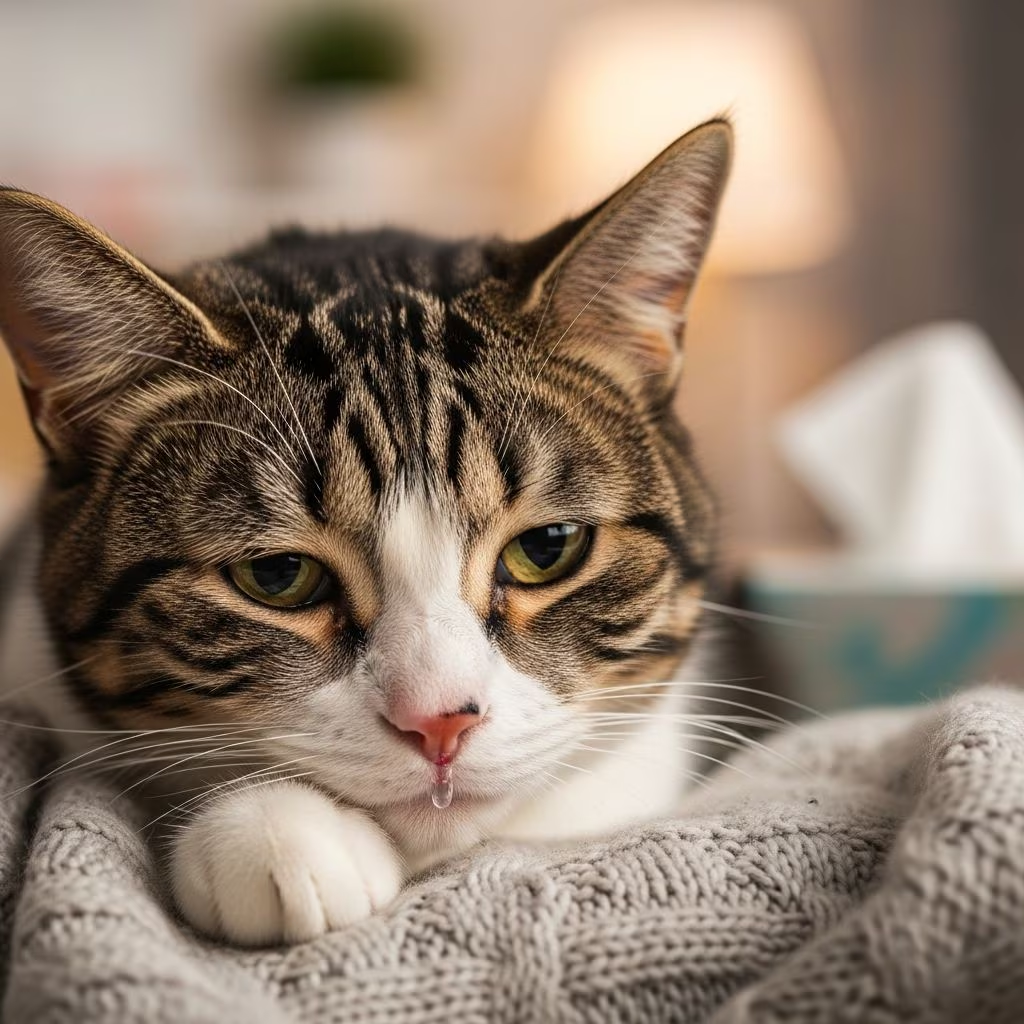
Cats do not catch human colds, but they can develop upper respiratory infections commonly known as “cat flu” or “feline colds,” primarily caused by viruses like feline herpesvirus (FHV-1) and feline calicivirus (FCV), which account for about 90% of cases. These infections mimic human cold symptoms such as sneezing, nasal discharge, and watery eyes, affecting the upper respiratory tract and potentially leading to more serious complications if untreated, especially in kittens, seniors, or immunocompromised cats. Early recognition and supportive care are crucial, as most cases resolve in 5-10 days with proper management, though veterinary intervention may be necessary for severe symptoms.
What are the signs of a cold in cats?
Recognizing the signs of a cold in cats is essential for timely intervention. Common symptoms include sneezing, runny or stuffed nose, nasal discharge (clear, yellow, or green), watery or discharge-filled eyes, coughing, lethargy, loss of appetite, fever, mouth ulcers, eye ulcers, difficulty breathing, and increased salivation. These symptoms often appear suddenly, starting with sneezing and progressing over 24 hours. Secondary bacterial infections can worsen discharge and lead to complications like pneumonia or chronic eye damage. Kittens and stressed cats may show dehydration or open-mouth breathing, signaling urgency.
- Sneezing and nasal congestion: Frequent sneezing with clear or colored discharge blocks airways.
- Eye issues: Red, watery eyes or ulcers from herpesvirus.
- Mouth problems: Ulcers on tongue, lips, or nose causing drooling and refusal to eat.
- General malaise: Lethargy, fever, and appetite loss.
Monitor for worsening signs like persistent fever or breathing distress, which require immediate vet attention.
Can cats get colds from humans?
No, cats cannot get colds from humans or vice versa, as feline upper respiratory infections are species-specific, caused by viruses like FHV-1, FCV, Mycoplasma, Bordetella, or Chlamydophila felis, not human rhinoviruses. Transmission occurs cat-to-cat via direct contact, shared litter boxes, food bowls, or airborne droplets, particularly in multi-cat households, shelters, or outdoor environments. A weakened immune system from stress, malnutrition, poor socialization, or underlying conditions like cancer increases susceptibility. While humans can’t transmit colds, good hygiene prevents bacterial secondary infections.
Causes of cat colds
Cat colds stem mainly from viral infections, with FHV-1 (feline herpesvirus) causing severe eye and respiratory symptoms and FCV (feline calicivirus) leading to mouth ulcers and lameness in kittens. Bacterial contributors include Chlamydophila felis (eye infections), Bordetella bronchiseptica, and Mycoplasma. Multiple strains of calicivirus complicate vaccination efficacy. Risk factors include young age, overcrowding, unvaccinated status, and stress, which suppress immunity. Infected cats become carriers, shedding virus lifelong, especially under stress.
| Cause | Symptoms | Notes |
|---|---|---|
| Feline Herpesvirus (FHV-1) | Sneezing, eye ulcers, nasal discharge | 90% of cases; lifelong carrier state |
| Feline Calicivirus (FCV) | Mouth ulcers, lameness, respiratory signs | Multiple strains; not fully vaccine-preventable |
| Chlamydophila felis | Conjunctivitis, mild respiratory | Antibiotic-responsive; vaccine available |
| Bordetella, Mycoplasma | Coughing, discharge | Bacterial; secondary infections |
Treatment for cats with colds
Treatment focuses on symptom relief and supporting the immune system, as no antivirals cure viral cat flu. Vets prescribe antibiotics for secondary bacterial infections, eye drops or ointments for ocular issues, pain meds, and antivirals in severe herpes cases. Hospitalization with IV fluids or feeding tubes is needed for dehydrated or anorexic cats. Most recover in 1-2 weeks with care, but monitor for pneumonia or ulcers. Never use human medications, as they are toxic to cats.
Home remedies for cat colds
Supportive home care eases symptoms while awaiting recovery. Key remedies include:
- Humidify air: Use a humidifier or steam from showers/baths to loosen mucus. For congestion, place cat in carrier with hot water bowl covered by blanket for 15 minutes.
- Clean face gently: Wipe nose with damp cloth and eyes with saline-soaked gauze.
- Encourage eating: Offer warmed, soft, strong-smelling foods like tuna, sardines, pilchards, or roast chicken to tempt appetite and loosen mucus.
- Keep warm and rested: Provide cozy bedding and quiet space.
- Hydrate: Ensure fresh water; wet food helps. Supplements with vitamins may boost immunity after vet approval.
These measures help 80-90% of mild cases resolve without vets, but consult professionals for guidance.
When to take your cat to the vet
Seek vet care if symptoms last over 3-5 days, worsen (e.g., green discharge, high fever, breathing issues), or if your cat refuses food/water for 24 hours, shows dehydration (skin tenting), eye ulcers, or lethargy. Kittens, seniors, or chronic illness cats need prompt evaluation to prevent pneumonia or starvation. Diagnostics may include swabs for PCR testing viruses/bacteria. Early intervention prevents chronic issues like carrier status.
Preventing cat colds
Prevention centers on vaccination, hygiene, and stress reduction. Core vaccines target FCV, FHV-1, and sometimes Chlamydophila/Bordetella, reducing severity though not always preventing infection due to strains. Keep indoor cats isolated from strays, disinfect surfaces, quarantine new cats, and maintain nutrition/stress-low environments. Boosters every 1-3 years per vet. Spaying/neutering and flea control indirectly support immunity.
- Vaccinate kittens starting at 8 weeks with boosters.
- Practice strict hygiene in multi-cat homes.
- Avoid contact with wild/stray cats.
- Manage stress via enrichment.
Frequently Asked Questions (FAQs)
Can cats get colds from humans?
No, cat colds are caused by feline-specific viruses and bacteria, not transmissible to or from humans.
How long does a cat cold last?
Most resolve in 5-10 days to 1-2 weeks with care; severe cases longer.
Is cat flu contagious to other cats?
Yes, highly contagious via direct contact or secretions; carriers shed lifelong.
Can I give my cat human cold medicine?
No, it’s toxic; only use vet-prescribed treatments.
Do all cats recover from cat flu?
Most healthy cats do, but kittens/immunocompromised may face complications.
References
- Feline Upper Respiratory Infection (Cat Flu): What It Is, Signs & Symptoms, And How To Treat It — Trudell Animal Health. 2023. https://trudellanimalhealth.com/blogs/blog/feline-upper-respiratory-infection-cat-flu-what-it-is-signs-amp-symptoms-and-how-to-treat-it
- What should I do if my cat has a cold? — Barton Heights Veterinary Hospital. 2024-02-29. https://www.bartonheights.com/site/blog/2024/02/29/cat-cold
- Cats & Colds: Can They Get Them & What To Do? — Miller Clark Animal Hospital. 2024-07-31. https://www.millerclarkanimalhospital.com/site/blog/2024/07/31/what-stomatitis-cats-causes-copy
- Cat Colds & What To Do — Pet Doctors of America. 2021-11-30. https://www.petdoctorsofamerica.com/site/blog/2021/11/30/cat-colds-can-they-get-them-what-can-i-do
- What to Do if Your Cat has a Cold — Carolina Vet. 2023-10-15. https://www.rock-hill.carolinavet.com/site/blog/2023/10/15/cat-cold
- What to do if your cat has a cold — Four Paws USA. N/A. https://www.fourpawsusa.org/our-stories/publications-guides/cat-cold-what-to-do
- Cats & Colds: Can They Get Them & What To Do? — Critter Creek Veterinary Hospital. 2024-01-31. https://www.crittercreekvet.com/site/blog/2024/01/31/cats-colds
- Cat Flu | Symptoms, Causes, and Treatment — Blue Cross UK. N/A. https://www.bluecross.org.uk/advice/cat/health-and-injuries/cat-flu



