

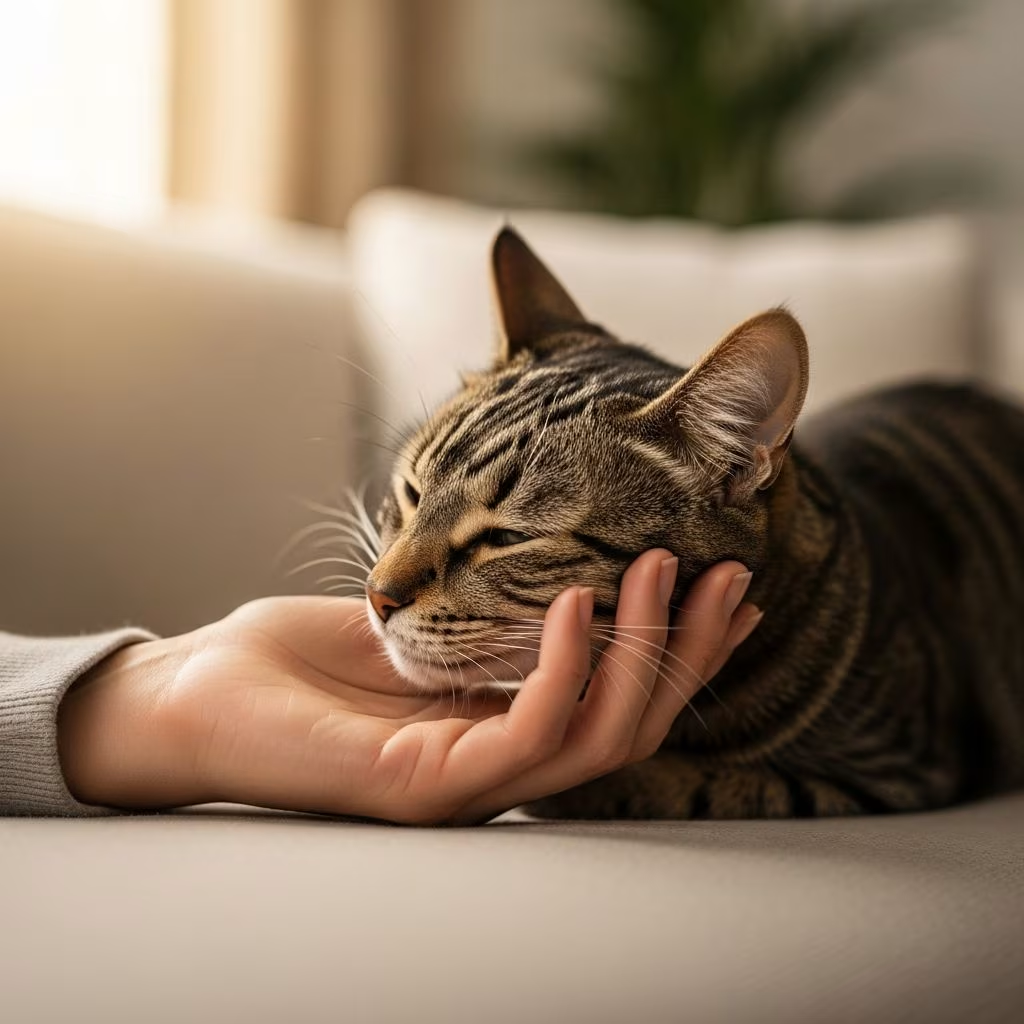
Cats offer unparalleled emotional support through their calming presence, therapeutic purring, and intuitive interactions that help manage stress and anxiety. Scientific research confirms these benefits, showing reduced cortisol levels and increased oxytocin from cat companionship.
The Unique Appeal of Feline Companionship
Cats stand out as emotional anchors in a fast-paced world, providing subtle yet profound comfort without demanding constant attention. Their independent nature allows owners to unwind naturally, fostering a sense of peace that integrates seamlessly into daily life. Unlike more energetic pets, cats deliver companionship on their terms, which aligns perfectly with individuals needing low-pressure emotional outlets.
This dynamic creates a reciprocal bond where both human and cat benefit. Owners report heightened feelings of happiness and confidence, while cats thrive in stable environments. The quiet synergy reduces feelings of isolation, particularly for those facing mental health challenges.
Scientific Insights into Cat-Human Bonding
Studies reveal that petting or simply being near a cat triggers measurable physiological changes. Interactions lower emotional arousal in some contexts and elevate heart rates in ways that suggest a beneficial ‘eustress’ response—moderate stress that builds resilience rather than harm.
Positive correlations exist between heart rate increases during cat interactions and levels of cortisol and oxytocin. Oxytocin, known for its role in bonding and anxiety reduction, rises alongside these markers, indicating cats stimulate health-promoting hormonal responses.
| Physiological Effect | Impact from Cat Interaction | Source |
|---|---|---|
| Cortisol Levels | Modulated to reduce chronic stress | |
| Oxytocin Release | Increased for bonding and calm | |
| Heart Rate | Slight elevation linked to eustress | |
| Blood Pressure | Lowered during and after contact |
Therapeutic Effects of a Cat’s Purr
The resonant purr of a cat, vibrating at 25-150 Hz, holds remarkable healing potential. These frequencies align with those used in vibrational therapy to alleviate pain, lower blood pressure, and induce relaxation. Listening to or feeling a purr activates the parasympathetic nervous system, promoting a state of tranquility.
Beyond sound, the physical act of stroking a purring cat enhances these effects. Owners experience immediate mood lifts as serotonin levels rise, countering depressive states. This natural mechanism makes cats ideal for ongoing emotional regulation.
Building Routines for Mental Stability
Cats naturally encourage structured routines through feeding, grooming, and play schedules. These predictable patterns provide a sense of purpose and normalcy, crucial for combating depression and anxiety. Mental health experts highlight how such routines anchor individuals during turbulent times.
- Daily feeding fosters responsibility and achievement.
- Play sessions release endorphins for both cat and owner.
- Evening cuddles signal wind-down time, improving sleep quality.
This structure indirectly boosts immune function and motivates physical activity, as owners engage in light exercise to keep their cats stimulated.
Nonjudgmental Presence in Times of Need
A cat’s acceptance is one of its greatest gifts. They offer companionship devoid of criticism, allowing vulnerable moments without scrutiny. This is especially valuable for those with social anxiety or PTSD, where human interactions might feel overwhelming.
Research shows cat owners recover faster from stressors, viewing challenges as manageable rather than threatening. The presence of a cat during high-pressure tasks lowers error rates and sustains calmer physiological states compared to non-owners.
Cats in Therapeutic and Support Roles
Emotional support cats (ESCs) are formally recognized for aiding conditions like chronic anxiety, depression, and isolation. Unlike service animals, ESCs provide comfort through presence alone, qualifying under housing and travel accommodations in many regions. About 18% of pet owners report certified ESCs, underscoring their prevalence.
In clinical settings, cat-assisted therapy complements traditional treatments, aiding veterans with PTSD and the elderly combating loneliness. Interactions enhance empathy, mood, and overall psychological health.
Addressing Myths About Cat Personalities
Common stereotypes paint cats as aloof, yet evidence shows they form deep, affectionate bonds. Their selective sociability belies strong emotional connections, often more calming than dogs or even human partners in stress scenarios.
Cats seek out owners during distress, providing intuitive support. This bidirectional emotional exchange dispels notions of detachment, affirming cats’ roles as empathetic companions.
Practical Tips for Maximizing Benefits
To harness a cat’s emotional support potential:
- Choose a breed or personality matching your needs—calm lapsitters for anxiety, playful ones for motivation.
- Create interactive zones for petting and play to boost oxytocin release.
- Monitor health; a content cat amplifies positive effects.
- Incorporate cats into therapy routines for consistent gains.
Short daily sessions suffice; even 10 minutes of interaction yields stress relief.
Potential Challenges and Solutions
Not all interactions are seamless. Some cats may trigger allergies or require adjustment periods. Solutions include hypoallergenic breeds, gradual introductions, and vet consultations for behavioral harmony.
Recent studies note varied responses—while many experience calm, others see excitatory effects that still promote health via eustress. Larger trials are needed for definitive insights.
FAQs
Can any cat be an emotional support animal?
Yes, any cat can qualify if it provides comfort for a diagnosed condition. Certification involves a mental health professional’s letter, not specific training.
How quickly do cats reduce stress?
Effects can start within minutes of interaction, with lowered blood pressure and mood improvements noted in short sessions.
Are cats better than dogs for emotional support?
Cats excel in low-maintenance, quiet comfort, ideal for introverts or small spaces, while dogs suit active lifestyles.
Do cats help with sleep issues?
Yes, their purring and cuddling promote better sleep by reducing anxiety and signaling bedtime routines.
What if my cat isn’t affectionate?
Even independent cats offer value through presence. Respect their boundaries to build trust over time.
References
- Why Cats Make Great Emotional Support Companions — Cat & Craft Cafe. 2023. https://www.catandcraftcafe.com/why-spending-time-with-cats-can-be-so-comfortingaccording-to-science
- Effects of Interactions with Cats in Domestic Environment on… — PMC (National Library of Medicine). 2023-07-01. https://pmc.ncbi.nlm.nih.gov/articles/PMC10340037/
- The Benefits of Having an Emotional Support Cat — Nutrish Pet Food. 2023. https://www.nutrish.com/blog/the-benefits-of-having-an-emotional-support-cat/
- The Science-Backed Benefits of Being a Cat Lover — Greater Good Science Center, UC Berkeley. 2023. https://greatergood.berkeley.edu/article/item/the_science_backed_benefits_of_being_a_cat_lover
- The power of support from companion animals for people living with… — PMC (National Library of Medicine). 2018-01-19. https://pmc.ncbi.nlm.nih.gov/articles/PMC5800290/
- A Forever Bond: Emotional Support Animals — Lone Star Circle of Care. 2023. https://lonestarcares.org/blog/a-forever-bond-emotional-support-animals/
- Pets Offer Mental Health Support to Their Owners — American Psychiatric Association. 2023. https://www.psychiatry.org/news-room/news-releases/pets-offer-mental-health-support-to-their-owners



