

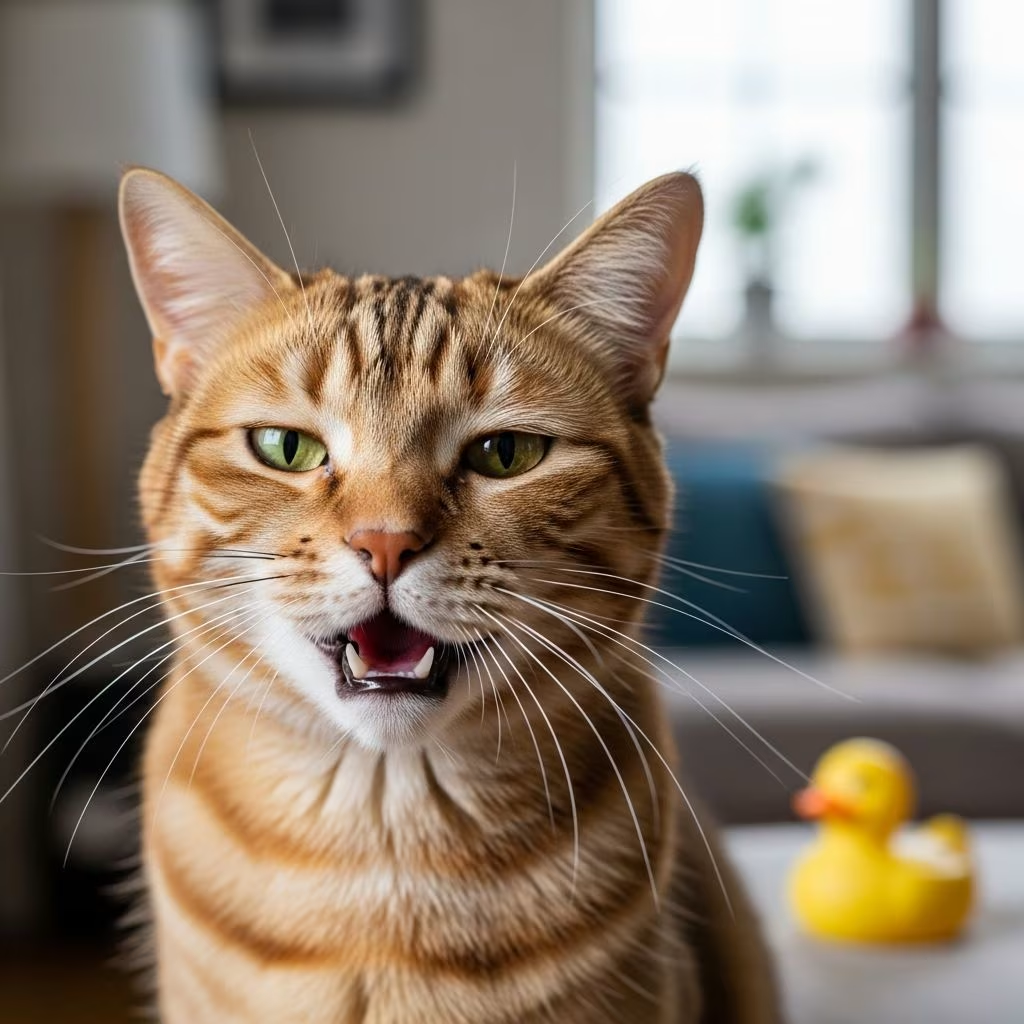
A cat producing a cough that mimics a duck’s quack can alarm any pet owner. This distinctive sound often points to irritation or obstruction in the airways, prompting immediate attention to rule out serious conditions.
Understanding the Peculiar Coughing Sound in Cats
Cats rarely cough like humans or dogs, making any such noise noteworthy. The ‘duck-like’ description typically refers to a honking, hacking, or wheezing expulsion that differs from standard meows or purrs. This vocalization arises when air forcefully moves through narrowed or inflamed passages in the throat, trachea, or lungs. Owners frequently confuse it with retching or hairball expulsion, but true coughing involves the respiratory system attempting to clear irritants, mucus, or blockages.
Observing the context helps differentiate: a duck-like cough often occurs suddenly, worsens with activity, or follows exposure to triggers like dust or smoke. Unlike vomiting, which involves abdominal contractions and food expulsion, coughing keeps the body upright with rapid throat movements. Recording a video of the episode aids veterinarians in accurate assessment.
Primary Triggers Behind the Duck Quack Cough
Several factors can produce this unique sound. Here’s a breakdown of the most frequent culprits:
- Airway Inflammation: Swelling in the bronchi or trachea creates a narrowed path, forcing air out with a honk.
- Mucus Buildup: Excess secretions from infections or allergies vibrate during expulsion, mimicking waterfowl.
- Structural Issues: Tumors or collapses in the larynx alter airflow, producing raspy quacks.
Feline Asthma: A Leading Culprit
Feline asthma stands out as a top cause of repetitive, duck-resembling coughs. This chronic inflammatory disease affects the lower airways, causing spasms, mucus production, and bronchial constriction. Triggers include pollen, mold, cigarette smoke, or even stress, leading to paroxysmal coughing fits where the cat hunches, extends its neck, and emits a wheezing honk.
Symptoms extend beyond coughing: rapid breathing, open-mouth panting, blue-tinged gums during attacks, and lethargy between episodes. Young to middle-aged cats, especially Siamese breeds, show higher susceptibility. Diagnosis involves ruling out infections via chest X-rays, blood tests, and sometimes bronchoscopy to visualize inflamed airways.
Treatment focuses on management: corticosteroids reduce inflammation, bronchodilators open passages, and environmental changes minimize triggers. Owners should use air purifiers, switch to low-dust litter, and avoid scented products. Severe cases may require oxygen therapy or hospitalization.
Respiratory Infections and Their Role
Viral, bacterial, or fungal invasions frequently provoke duck-like coughs, particularly in multi-cat homes or shelters. Common pathogens like feline herpesvirus, calicivirus, or Bordetella produce upper and lower respiratory inflammation, resulting in productive coughs with mucus.
Signs include nasal discharge, fever, sneezing, and appetite loss. Kittens and immunocompromised cats face higher risks, with complications like pneumonia amplifying the honking sound. Diagnostics feature PCR tests for viruses, cultures for bacteria, and imaging for lung involvement. Antibiotics target secondary infections, while antivirals and supportive care aid recovery. Vaccination prevents many viral strains.
Hairballs and Foreign Bodies: Common Mimics
Hairballs often masquerade as coughs but involve gagging and vomiting cylindrical fur masses. Frequent grooming leads to ingestion, irritating the throat and prompting hacking motions that sound duck-like if prolonged.
Foreign objects, such as grass blades or string fragments inhaled during play, lodge in airways, causing sudden, violent coughing. Symptoms feature pawing at the mouth, drooling, and distress. Endoscopy or surgery removes obstructions, emphasizing supervision during outdoor time.
| Cough Type | Sound Description | Common Causes | Accompanying Signs |
|---|---|---|---|
| Dry Hack | Sharp, repetitive | Asthma, allergies | Wheezing, labored breathing |
| Wet Rattle | Gurgly, productive | Infections, mucus | Sneezing, discharge |
| Honk/Quack | Duck-like wheeze | Tracheal issues, tumors | Voice change, breathing difficulty |
| Gagging | Retching | Hairballs, nausea | Vomiting, lip licking |
Parasites and Heart-Related Concerns
Heartworm disease, though rarer in indoor cats, inflames lungs and vessels, yielding a persistent dry cough. Transmitted by mosquitoes, it demands annual preventives and fecal/heartworm tests.
Lungworms or roundworms migrating through tissues provoke irritation and honking. De-wormers resolve most cases post-fecal analysis.
Heart conditions like cardiomyopathy fluid-build in lungs, causing coughs with fatigue and rapid heart rates. Echocardiograms confirm diagnoses, with diuretics and diet managing symptoms.
Allergies and Environmental Irritants
Pollen, dust mites, or household cleaners trigger allergic responses, narrowing airways and inducing coughs. Seasonal patterns or post-exposure onset clues owners. Antihistamines, hypoallergenic diets, and allergen avoidance help, alongside vet-prescribed inhalers.
Smoke, perfumes, and litter dust act as irritants sans full allergy, demanding ventilation improvements and product switches.
When Coughing Signals an Emergency
Not all coughs wait for routine visits. Rush to an ER vet if observing:
- Open-mouth breathing or tongue extension
- Bluish gums or pale tongue
- Blood in cough or extreme lethargy
- Coughing preventing eating/sleeping
These indicate hypoxia or obstruction, potentially fatal without intervention.
Diagnostic Approaches for Accurate Identification
Vets start with history and physical exams, auscultating lungs for wheezes or crackles. Key tools include:
- Radiographs: Reveal pneumonia, masses, or heart enlargement
- Bloodwork: Detect infections or parasites
- Endoscopy: Inspect airways directly
- Allergy testing: Pinpoint environmental triggers
Home Management Strategies While Awaiting Vet Care
Minimize stress with quiet spaces, steam from bathroom showers to loosen mucus, and honey (1/4 tsp for adults) for soothing throats—never for kittens. Hydration via wet food prevents dehydration.
Preventive Measures for Respiratory Wellness
- Regular vet checkups and vaccinations
- Parasite preventives year-round
- Dust-free litter and HEPA filters
- Limit outdoor exposure
Frequently Asked Questions (FAQs)
Is a duck-like cough always serious in cats?
It warrants vet evaluation, as it may indicate asthma or infections, though hairballs can mimic it.
How long can I wait before seeing a vet?
One-off episodes might resolve, but persistent or worsening coughs need same-day checks.
Can diet influence coughing?
Hairball formulas reduce grooming issues; omega-3s fight inflammation.
Does breed affect risk?
Siamese and Persians prone to asthma due to airway shapes.
What home remedies work best?
Humidifiers and clean air excel, but don’t delay professional care.
References
- My Cat Coughing Sounds Like a Duck, What’s Wrong? Vet-Verified — Catster. 2023. https://www.catster.com/cat-health-care/my-cat-coughing-sounds-like-a-duck/
- Why Is My Cat Coughing? 7 Common Causes — Litter-Robot. 2024. https://www.litter-robot.com/blog/cat-coughing/
- Cat Coughing: Why It Happens and When To Call Your Vet — PetMD. 2024. https://www.petmd.com/cat/symptom/cat-coughing
- Cat Coughing 101: Signs, Causes and Treatments — Sonora Live Oak Vet. 2023. https://sonoraliveoakvet.com/cat-coughing/
- Why is My Cat Coughing? — Trudell Animal Health. 2024. https://trudellanimalhealth.com/pages/cats/why-is-my-cat-coughing



