

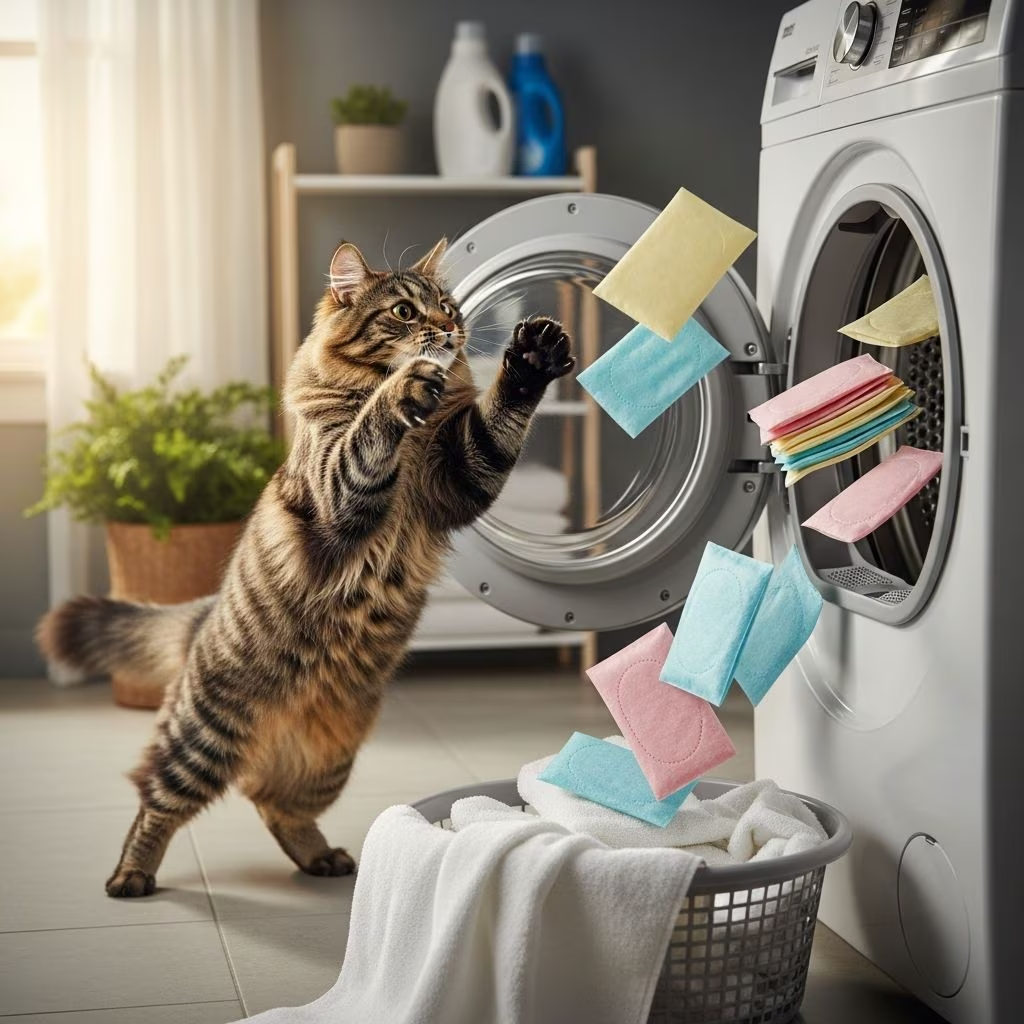
Cats often display an inexplicable obsession with dryer sheets, chasing, rubbing, and even attempting to chew these thin laundry essentials. This behavior stems from innate sensory triggers that align perfectly with their predatory and exploratory drives, but it carries substantial health threats due to toxic ingredients.
The Sensory Magnetism Behind Feline Obsession
Felines possess heightened senses honed by evolution for hunting and survival, making ordinary household items like dryer sheets profoundly stimulating. These sheets combine multiple elements that activate a cat’s curiosity in ways few toys can match.
Crinkling Noises That Echo the Hunt
The distinctive rustle produced when a dryer sheet moves across floors or in a cat’s paws replicates the subtle sounds of small rodents or insects scurrying through underbrush. This auditory cue prompts instinctive pouncing and stalking behaviors, turning a mundane fabric into an interactive prey simulation.
Textures for Tactile Delight
Beyond sound, the semi-rough, lightweight fabric offers a satisfying grip and slide, ideal for batting and wrestling. On smooth surfaces, sheets glide unpredictably, heightening the thrill and engaging a cat’s need for dynamic play that hones agility and reflexes.
Aromatic Allure from Fragrance Overload
With olfactory receptors far superior to humans—up to 14 times more sensitive—cats detect the potent synthetic perfumes in dryer sheets from afar. These scents, often floral or fresh, can induce euphoric responses akin to catnip, leading to rolling, face-rubbing, and prolonged sniffing sessions.
Toxic Chemistry Lurking in Laundry Aids
While entertaining, dryer sheets harbor quaternary ammonium compounds, known as quat surfactants or cationic detergents, which coat fabrics to combat static but react corrosively with living tissues. Additional volatiles like benzyl acetate, camphor, and trace chloroform amplify the danger profile.
| Chemical Component | Role in Sheets | Risk to Cats |
|---|---|---|
| Cationic Detergents (Quats) | Static neutralization, softening | Burns mouth, skin, eyes; digestive corrosion |
| Benzyl Acetate | Fragrance enhancer | Respiratory irritation, neurological effects |
| Camphor | Scent stabilizer | Seizures, liver toxicity if ingested |
| Chloroform (trace) | Processing byproduct | Narcotic depression, organ damage |
Cats’ meticulous grooming exacerbates exposure: contact leads to licking, spreading toxins body-wide and into their system via ingestion.
Immediate Health Threats from Interaction
Even brief encounters can escalate quickly. Physical ingestion risks include fabric impaction in the gut, while chemical absorption triggers rapid onset of distress signals.
- Oral and Throat Damage: Ulcers, swelling, hypersalivation from corrosive burns.
- Gastrointestinal Distress: Vomiting, pain, potential blockages from indigestible fibers.
- Systemic Effects: Lethargy, breathing issues, appetite loss indicating poisoning spread.
- Skin and Eye Irritation: Redness, inflammation upon rubbing or pawing.
Swallowed sheets may not pass naturally, necessitating surgical intervention in severe cases. Respiratory noises signal airway involvement, demanding urgent care.
Recognizing and Responding to Exposure
Monitor for clusters of symptoms post-laundry activities. Early detection improves outcomes significantly.
Critical Signs Requiring Veterinary Attention
- Profuse drooling or pawing at mouth
- Persistent vomiting or retching
- Labored breathing or wheezing
- Extreme fatigue or hiding
- Refusal of food/water
- Visible mouth sores or pale gums
Do not induce vomiting at home—corrosives worsen esophageal damage. Rush to a vet for decontamination, supportive fluids, and monitoring. Activated charcoal may help in select scenarios, but professional assessment rules first.
Fortifying Your Home Against Laundry Hazards
Proactive measures eliminate risks without sacrificing clean clothes. Integrate these into routines for seamless protection.
Secure Storage Protocols
- Lock cabinets and use child-proof latches on laundry areas.
- Dispose used sheets in lidded, cat-proof bins immediately.
- Close laundry room doors during cycles and folding.
Distraction Tactics for Playful Pets
Redirect energy with purpose-built toys: crinkle balls, feather wands, or laser pointers mimic sheet appeal safely. Rotate items to sustain interest.
Superior Substitutes for Static-Free Laundry
Ditch dryer sheets for these vetted, non-toxic options that perform equally well.
| Alternative | Benefits | Usage Tips | Cat Safety Level |
|---|---|---|---|
| Wool Dryer Balls | Softens fabric, reduces dry time, traps pet hair | 4-6 balls per load; reusable for years | High (supervise play) |
| Silicone Dryer Balls | Durable, chemical-free static reduction | Same as wool; dishwasher-safe | High |
| Distilled Vinegar Rinse | Natural softener, odor neutralizer | 1/4 cup in fabric softener compartment | High (diluted only) |
| Pet-Safe Sheets | Fragrance-free, hypoallergenic formulas | Check labels for quat-free certification | Moderate-High |
Vinegar’s acetic acid breaks static bonds gently; avoid undiluted forms or essential oil additives, which pose separate feline toxicities like liver strain.
Broader Implications for Pet-Proofing
This issue highlights wider household chemical vulnerabilities. Cats’ small size and grooming habits amplify minor exposures. Audit cleaners, air fresheners, and fabrics routinely. Opt for unscented, natural products where possible, storing all hazards elevated or secured.
Environmental upsides emerge too: alternatives cut microplastic release from synthetic sheets, benefiting ecosystems cats indirectly rely on.
Common Queries on Cats and Laundry Items
Is occasional sheet contact truly dangerous?
Yes—even residual chemicals on used sheets transfer via grooming, risking cumulative buildup and acute reactions.
Why do some cats ignore dryer sheets entirely?
Individual temperament, age, or scent sensitivity varies; kittens and bored adults show strongest interest.
Can I use dryer sheets to deter fur on furniture?
Avoid this hack—temporary fur repulsion doesn’t justify toxicity risks; vacuum or lint rollers work safer.
What if symptoms appear hours later?
Delayed effects occur from slow absorption; vet evaluation remains essential regardless of timing.
Are all fabric softeners equally risky?
Liquid versions share cationic bases but concentrate differently; all warrant cat-free zones.
Long-Term Strategies for Harmonious Homes
Train cats via positive reinforcement to avoid laundry zones, using treats for compliance. Enrich environments with vertical spaces, scratching posts, and puzzle feeders to curb boredom-fueled mischief. Regular vet check-ups catch sensitivities early.
Ultimately, understanding feline wiring empowers owners to channel instincts productively, ensuring joy without jeopardy. Laundry remains effortless, homes stay safe, and bonds deepen through prevention.
References
- Pet Care News: Cat Dryer Sheet Attraction — PetsCare.com. 2024-05-15. https://www.petscare.com/news/post/cat-dryer-sheet-attraction
- Why Do Cats Like Dryer Sheets? Vet-Reviewed Causes & Safety — Catster. 2024-08-22. https://www.catster.com/cat-behavior/why-cats-like-dryer-sheets/
- Pet Poison Helpline: Quaternary Ammonium Compound Toxicity — PetPoisonHelpline.com (official veterinary toxicology resource). 2023-11-10. https://www.petpoisonhelpline.com/poison/quaternary-ammonium/
- ASPCA Animal Poison Control: Fabric Softener and Dryer Sheet Dangers — ASPCA.org (primary animal welfare authority). 2025-02-14. https://www.aspca.org/pet-care/animal-poison-control/toxic-and-non-toxic-plants/fabric-softener
- Merck Veterinary Manual: Corrosive Agents in Pets — MerckVetManual.com (peer-reviewed veterinary reference). 2024-07-01. https://www.merckvetmanual.com/toxicology/household-hazards/corrosive-agents



