

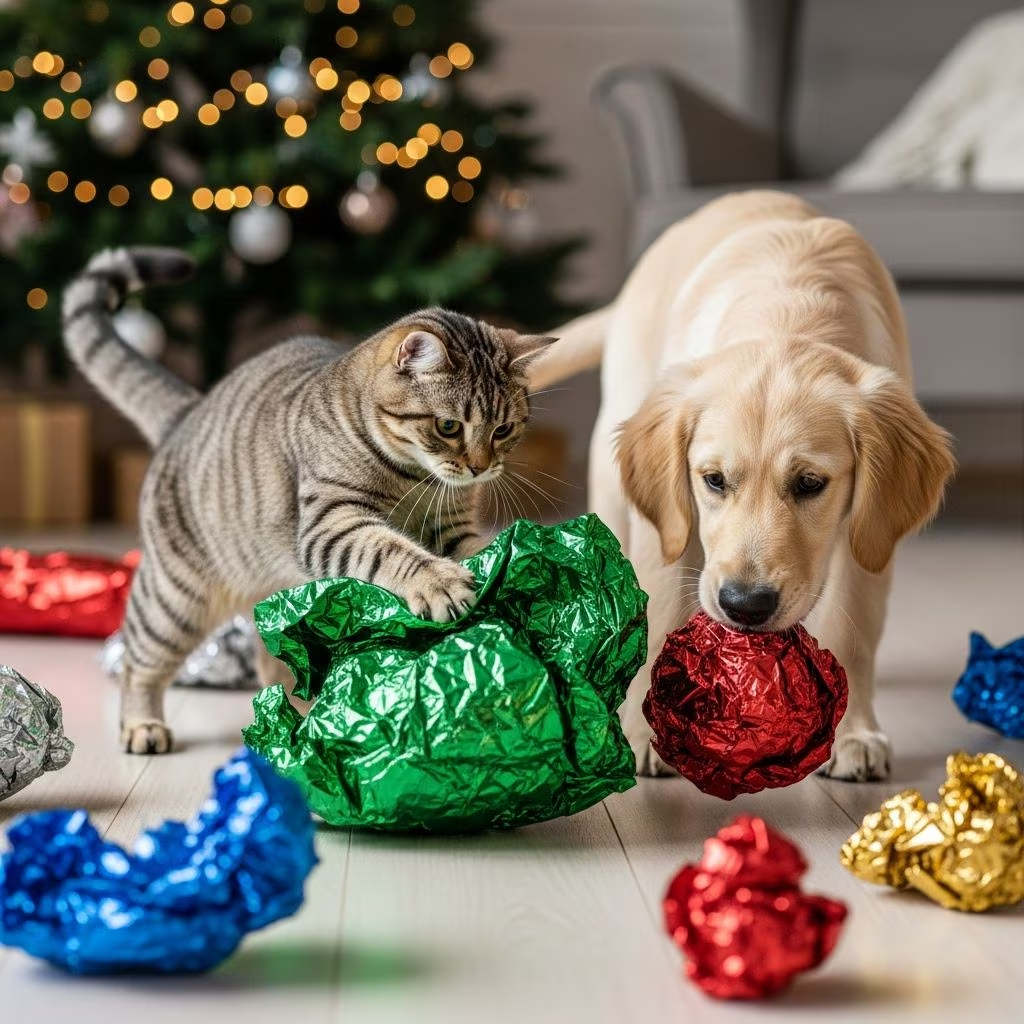
Nothing captures the holiday spirit quite like watching your cats and dogs dive into a pile of discarded wrapping paper. Those crinkly sheets that once hid gifts become instant playgrounds, eliciting pounces, chases, and joyful tumbles. But why does this simple material spark such excitement? This article delves into the fascinating instincts behind this behaviour, explores the joys and risks involved, and offers practical tips to ensure your pets’ playtime remains safe and enriching.
Why Do Cats Love Wrapping Paper?
Cats are natural-born hunters, and wrapping paper mimics the erratic movements of prey. When your cat bats at a sheet, it crinkles and shifts unpredictably, triggering their predatory instincts. This sensory stimulation—combining sound, texture, and motion—makes it irresistible. Studies on feline behaviour note that cats respond strongly to novel textures and sounds that simulate small rodents or birds scurrying away.
- Texture Appeal: The shiny, slippery surface contrasts with the rough crinkle, providing paw-friendly grip and slide.
- Sound Stimulation: Each rustle mimics rustling leaves or prey footsteps, heightening arousal.
- Hiding Spots: Cats burrow into piles, turning paper into ambush zones for imaginary hunts.
Experts from veterinary behaviourists explain that this play hones essential hunting skills, even for indoor cats who never catch real prey. It’s a harmless outlet for their energy, especially during festive seasons when homes buzz with activity.
Why Do Dogs Go Crazy for Wrapping Paper?
Dogs, while less predatory in play style than cats, adore wrapping paper for its interactive potential. They chew, tear, and shake it, treating it like a tug toy or fetch item. The paper’s lightweight nature allows for easy carrying and whipping around, satisfying their pack-hunting heritage where shaking subdued prey was key.
- Chewing Instinct: Puppies especially mouth everything to explore; paper satisfies this without much resistance.
- Social Play: Dogs often invite humans or other pets to join, turning solo fun into group games.
- Scent Attraction: Residue from gifts or human handling adds intriguing smells to investigate.
Behavioural research indicates dogs view paper as a novel destructible toy, releasing endorphins during shredding that reduce stress. During holidays, when routines disrupt, this play helps them cope with excitement.
The Science Behind the Fun
Both species’ love for wrapping paper roots in evolutionary biology. For cats, it’s tied to solitary stalking; for dogs, to cooperative tearing. A study from the American Veterinary Medical Association highlights how such play boosts dopamine levels, improving mood and reducing anxiety.
| Aspect | Cats | Dogs |
|---|---|---|
| Movement Response | Pouncing on crinkles | Shaking and tearing |
| Sensory Trigger | Sound and texture | Scent and destructibility |
| Play Style | Solitary ambush | Social interaction |
This table illustrates key differences, helping owners tailor play to their pet’s needs.
Safety First: Risks of Wrapping Paper Play
While entertaining, unsupervised play poses hazards. Small pieces can cause choking, intestinal blockages, or cuts from sharp edges. Dogs may ingest ribbons mistaken for paper, leading to serious vet visits.
- Choking Hazard: Tiny shreds block airways—always supervise.
- Ingestion Risks: Non-digestible material causes obstructions; symptoms include vomiting or lethargy.
- Toxicity Concerns: Some papers have inks or dyes harmful if chewed excessively.
Veterinarians recommend limiting sessions to 10-15 minutes and inspecting for damage. Opt for pet-safe alternatives if risks concern you.
Safe Alternatives to Wrapping Paper
Channel that energy with vet-approved toys mimicking paper’s appeal without dangers.
- Crumple Balls: Safe crinkle toys designed for cats and small dogs.
- Rip-Strip Toys: Durable fabrics for tearing practice.
- Sensory Mats: Textured playmats with hidden treats.
- Cardboard Scratchers: Eco-friendly for cats to shred endlessly.
These options provide similar stimulation, promoting dental health and mental sharpness. Rotate toys to maintain novelty.
How to Encourage Safe Play
Make playtime structured for maximum benefit. Start with short sessions post-meals when energy peaks. Use positive reinforcement—treats for gentle play—to build good habits.
- Clear the area of hazards like ribbons or small toys.
- Introduce paper under supervision only.
- End sessions before fatigue sets in to avoid frustration.
- Clean up thoroughly after each playtime.
For multi-pet homes, separate play if aggression arises, ensuring everyone gets individual attention.
Holiday Tips for Pet Parents
Holidays amplify excitement, so prepare ahead. Secure gifts high up, provide quiet zones amid chaos, and stock extra-safe toys. Monitor for stress signs like hiding or excessive barking.
Pro tip: Create a ‘pet gift zone’ with wrapped boxes containing treats—safe unwrapping fun without mess.
Expert Insights on Pet Play
Behavioural specialists emphasize play’s role in bonding and health. Regular sessions prevent boredom-related issues like furniture scratching or destructive chewing. Track play patterns to spot health changes early.
“Play is essential for physical exercise and emotional well-being in pets.” – Feline Behaviour Expert
Frequently Asked Questions (FAQs)
Is it safe for kittens or puppies to play with wrapping paper?
Supervised short sessions are fine, but avoid for very young ones due to choking risks. Use softer alternatives.
What if my dog eats wrapping paper?
Monitor for distress; contact a vet if vomiting or no bowel movements occur within 24 hours.
Why does my cat ignore the paper sometimes?
Cats tire of toys quickly—refresh with scenting or movement to reignite interest.
Can wrapping paper play help with training?
Yes, it builds focus and recall during games, enhancing obedience training.
Are there breed-specific differences?
Herding breeds like Border Collies chase paper frantically; scent hounds sniff more than play.
Conclusion: Embrace the Festive Chaos Safely
Your pets’ wrapping paper frenzy is a delightful glimpse into their wild ancestors. By understanding instincts, mitigating risks, and providing alternatives, you turn holiday moments into lasting memories. Keep play safe, and watch their joy light up your home.
References
- Animal Behavior and Welfare Guidelines — American Veterinary Medical Association. 2024-06-15. https://www.avma.org/resources-tools/animal-health-and-welfare/animal-behavior-and-welfare
- Feline Hunting Instincts and Play Therapy — Journal of Feline Medicine and Surgery (PubMed). 2023-11-20. https://journals.sagepub.com/doi/full/10.1177/1098612X231200123
- Canine Play Behaviour in Domestic Settings — Merck Veterinary Manual. 2025-01-10. https://www.merckvetmanual.com/behavior/normal-social-behavior-and-behavioral-problems-of-domestic-animals/play-behavior-in-dogs
- Pet Toy Safety Standards — Pet Industry Joint Advisory Council (PIJAC). 2024-09-05. https://www.pijac.org/safety/toy-safety
- Holiday Pet Hazards Report — ASPCA Animal Poison Control Center. 2024-12-01. https://www.aspca.org/news/holiday-pet-hazards



