

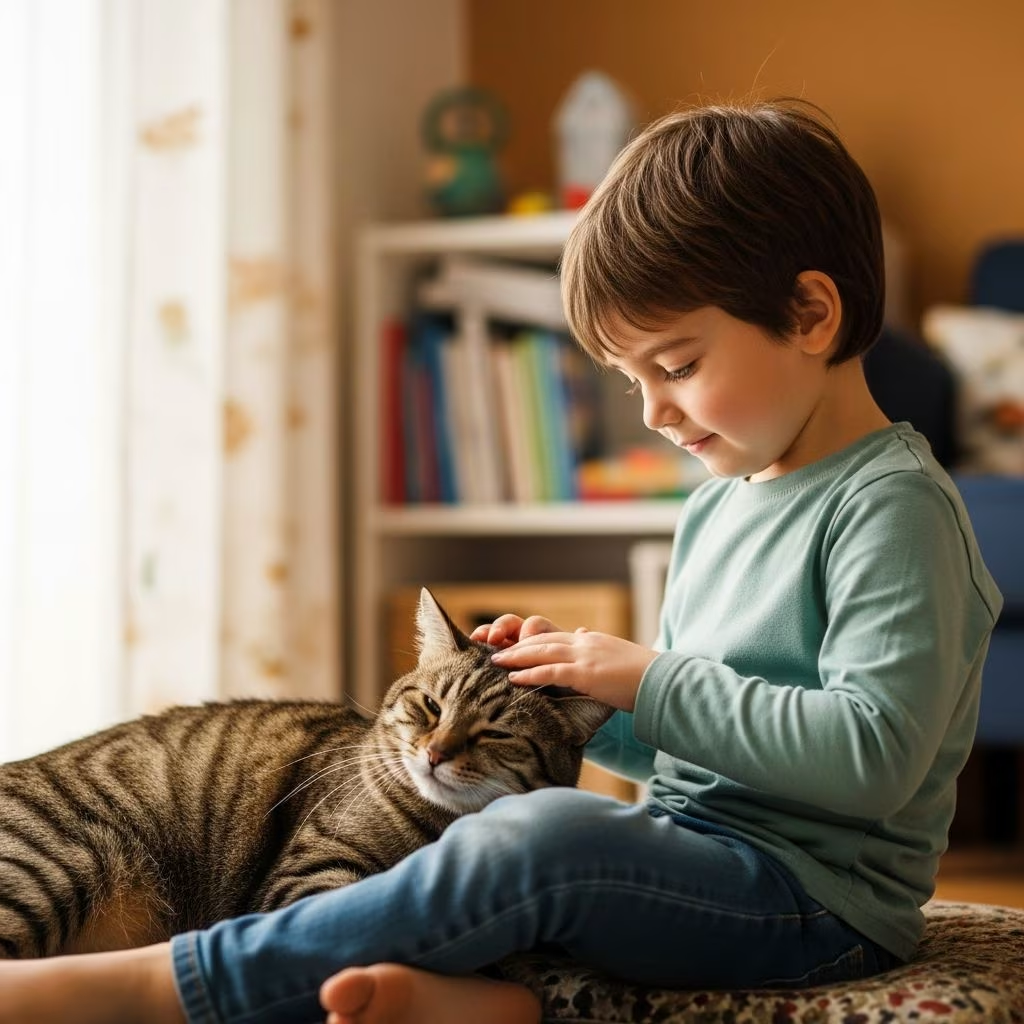
Many families wonder whether bringing a cat into a household with children is a good decision. The answer is nuanced: cats can form meaningful bonds with children, but success depends on understanding feline behavior, proper introductions, and consistent supervision. Unlike dogs, cats are independent animals with specific boundaries and communication styles that children must learn to respect. When approached correctly, the relationship between cats and kids can be rewarding for both.
Understanding Feline Nature and Temperament
Cats possess distinct personality traits that influence how they interact with children. Individual cats vary significantly in their tolerance levels, sensitivity to touch, and comfort with noise and activity. Some cats are naturally outgoing and seek social interaction, while others are reserved and prefer solitude. These personality differences are fundamental to understanding whether a particular cat will thrive in a household with children.
Territorial instincts are central to feline behavior. Cats establish specific areas as their own and may become anxious or defensive when these spaces are invaded. This territoriality affects how they respond to the unpredictability of children. Additionally, cats communicate through complex body language, vocalizations, and scent marking. Learning to interpret these signals is essential for parents and children alike.
How Past Experiences Shape Cat Behavior
A cat’s history significantly determines its comfort level with children. Cats that have had positive early experiences with kids tend to develop more patience and acceptance. Early socialization during the kitten stage creates a foundation for comfortable interactions throughout the cat’s life. Conversely, cats with negative experiences or trauma involving children may exhibit fear or defensive behaviors when encountering young people.
Understanding your cat’s background is crucial when introducing it to children. Rescue cats or adopted adult cats may have unknown histories that influence their behavior. Patience and gradual introductions help these cats adjust to new family dynamics. If a cat shows consistent signs of fear or aggression, professional behavior consultation may be necessary.
Age-Appropriate Expectations for Children and Cats
The interaction between cats and children should match the child’s developmental stage. Very young children present unique challenges for cats. They are naturally active, produce unpredictable noises, and move in ways that can startle or frighten feline companions. During early childhood years, expecting a close bond between child and cat is unrealistic. Instead, the focus should be on establishing basic respect and safety.
For young children, interactions should remain primarily “hands-off” unless the cat actively seeks attention. This approach protects both the child and the cat while building a foundation of respect. As children mature and develop better impulse control, they can participate in more active play and care routines.
Recognizing Feline Body Language and Communication
Cats communicate their emotional state through multiple signals that children must learn to recognize. Understanding these cues prevents conflicts and helps children know when to approach or give the cat space.
Signs of Comfort and Contentment
- Purring indicates contentment and relaxation
- Kneading (pushing paws alternately on soft surfaces) shows comfort and trust
- Slow blinks and relaxed body posture signal calm acceptance
- Soliciting behavior such as rubbing against the child indicates the cat wants interaction
Signs of Stress and Discomfort
- Ears swiveled to the side or flattened back indicate irritation
- Dilated pupils suggest heightened stress or fear
- Tail twitching signals growing agitation
- Hiding or avoidance shows the cat feels overwhelmed
- Hissing or growling represents a warning that must be heeded immediately
Teaching children to observe and respect these signals is fundamental to preventing negative interactions. When a cat displays stress signals, the child should immediately move away and leave the cat alone.
Managing Physical Interaction Safely
Children naturally want to touch, hold, and cuddle cats. However, many cats are reluctant about being picked up or having their bodies touched, and this is a common source of conflict. The way children touch cats matters significantly for safety and the cat’s comfort level.
Proper Petting and Handling Techniques
Children should learn to pet cats lightly rather than applying pressure. Gentle strokes in the direction of hair growth are preferred. They should avoid sensitive areas like the belly, paws, and base of the tail, which many cats find uncomfortable. Hugging or grasping cats firmly is dangerous; such behavior can trigger defensive reactions including scratching or biting.
Allow cats to approach children on their own terms. When a cat solicits petting, children can pet for approximately three seconds and then pause to reassess the cat’s body language. This brief interaction-and-assessment cycle prevents overstimulation.
Avoiding Triggering Aggressive Responses
Certain situations commonly provoke cat aggression. Cats become protective during feeding and may snap at hands reaching for their food bowl. Children should never attempt to take food away from a cat or hand-feed without proper instruction. When offering treats, children should place them in an open palm rather than holding them between fingers to prevent accidental bites.
Cats deserve privacy during bathroom use and sleeping. Children must understand that interrupting a cat at the litter box or while sleeping can trigger aggressive defensive behavior. Similarly, never pull a cat out of a hiding place. These spaces serve as safe retreats, and respecting them is essential.
Play and Interactive Activities
Play can be an excellent avenue for positive interaction between cats and children when structured correctly. Cats enjoy natural hunting behaviors, and interactive play satisfies these instincts.
Safe Play Methods
Wand-type toys with long handles are ideal for child-cat play. The extended handle increases distance between the child’s hands and the cat’s claws, reducing injury risk. Toys like feather wands and cat charmers allow children to direct play while maintaining safe separation.
Small toys such as glitter balls or toy mice should not be used for direct play with children. These items trigger prey-focused behavior in cats, and the proximity required for hand play creates vulnerability to scratches or bites. Instead, children can toss these toys across the room for the cat to chase independently.
Understanding Play Aggression and Overstimulation
Even during positive play sessions, cats can become overstimulated or overexcited. This condition, sometimes called “play aggression” or “petting-induced aggression,” causes cats to redirect their hunting behaviors toward the child, resulting in biting and scratching of hands, arms, feet, and legs.
Some cats show a specific pattern where they transition from playing with toys to attacking the person facilitating play. If this behavior emerges, children should stop engaging the cat in play sessions to prevent escalation.
Establishing Boundaries and Rules
Clear, consistent rules create a framework for safe interaction between cats and children. These guidelines should apply to all children regardless of age, though supervision intensity varies by child maturity.
Essential Household Rules
- Never pull cats out of hiding places or their “cat dens”
- Do not touch or interact with cats while they’re eating or chewing
- Never interrupt cats using the litter box
- Do not wake or interact with sleeping cats
- Always use gentle, light petting rather than rough handling
- Respect the cat’s choice to leave an interaction
- Speak quietly and move deliberately around the cat
Creating Safe Spaces for Cats
Cats need refuge areas where they can retreat when feeling overwhelmed. These safe spaces should be off-limits to children and positioned in quiet areas of the home. Cat trees, enclosed beds, or dedicated rooms provide essential escape routes when the household becomes too stimulating.
Adequate safe spaces reduce stress-related aggression and allow cats to manage their own comfort levels. A cat with access to retreat areas is more likely to maintain composure and have positive interactions during appropriate times.
Supervision Strategies for Different Age Groups
The level of supervision required depends on the child’s age and the cat’s temperament. Close, active supervision is essential when young children and cats interact.
For very young children, an effective method involves having the child sit on a caregiver’s lap while holding a toy or book. This arrangement keeps hands occupied and the child stationary, allowing the cat to approach at its own pace without feeling pursued or cornered.
Children should sit in one spot, speak quietly, and allow the cat to initiate contact. Starting with short interaction sessions and gradually extending time as both participants remain calm creates positive associations. All sessions involving young children must be monitored by an adult.
Older children with demonstrated responsibility can have less constant supervision, but unexpected situations can still arise. Regular reminders about proper cat handling and behavior recognition remain important throughout childhood.
Involving Children in Cat Care
Structured participation in cat care builds positive bonds and teaches responsibility. Age-appropriate tasks help children develop respect for the cat while creating positive associations.
Young children can help with supervised feeding, play with interactive toys under guidance, assist with gentle grooming, and participate in litter box maintenance. Having children hand out treats to the cat increases bonding and fosters positive feelings. These caregiving interactions benefit both the cat and child while helping prevent aggressive behaviors.
Addressing Health and Behavioral Concerns
A cat’s health directly influences its tolerance and behavior. Regular veterinary check-ups ensure the cat is comfortable and not experiencing pain or illness that might increase irritability. Cats that are sick or in pain require more space and gentle handling.
Any signs of aggression toward children require immediate attention. Growling, hissing, or biting should never be ignored or punished harshly, as punishment typically escalates the behavior. Professional behavior consultation may be necessary to identify underlying causes and develop management strategies.
Successful Long-Term Integration
Building a positive relationship between cats and children is a gradual process requiring patience, education, and consistent management. Success depends on realistic expectations, understanding feline behavior, respecting the cat’s boundaries, and maintaining appropriate supervision.
When families invest in learning cat body language, establishing clear rules, and creating safe environments, cats and children can develop rewarding relationships. The key is recognizing that cats and children communicate differently and have different needs, but with thoughtful integration, they can coexist happily under the same roof.
References
- How Do Cats Behave Around Children? — The Cat Behavior Clinic. https://www.thecatbehaviorclinic.com/how-do-cats-behave-around-children/
- Cat Aggression Toward Children — Maddie’s Fund. https://www.maddiesfund.org/cat-aggression-toward-children.htm
- Children and Cats — Wisconsin Humane Society. https://www.wihumane.org/behavior/ask-the-experts/cat-behavior/children-and-cats
- Don’t Ignore These 10 Red Flags Between Cats & Kids — Scary Mommy. https://www.scarymommy.com/lifestyle/red-flags-between-cats-kids
- Cat Safety with Children — Pet Alliance of Greater Orlando. https://petallianceorlando.org/cat-safety-children/
- 5 Essential Tips for Introducing Children and Cats — Cat Care Society. https://www.catcaresociety.org/introducing-children-and-cats/
- Cats Hate My Child – Behavior — Cats.com Community. https://cats.com/community/behavior/cats-hate-my-child



