

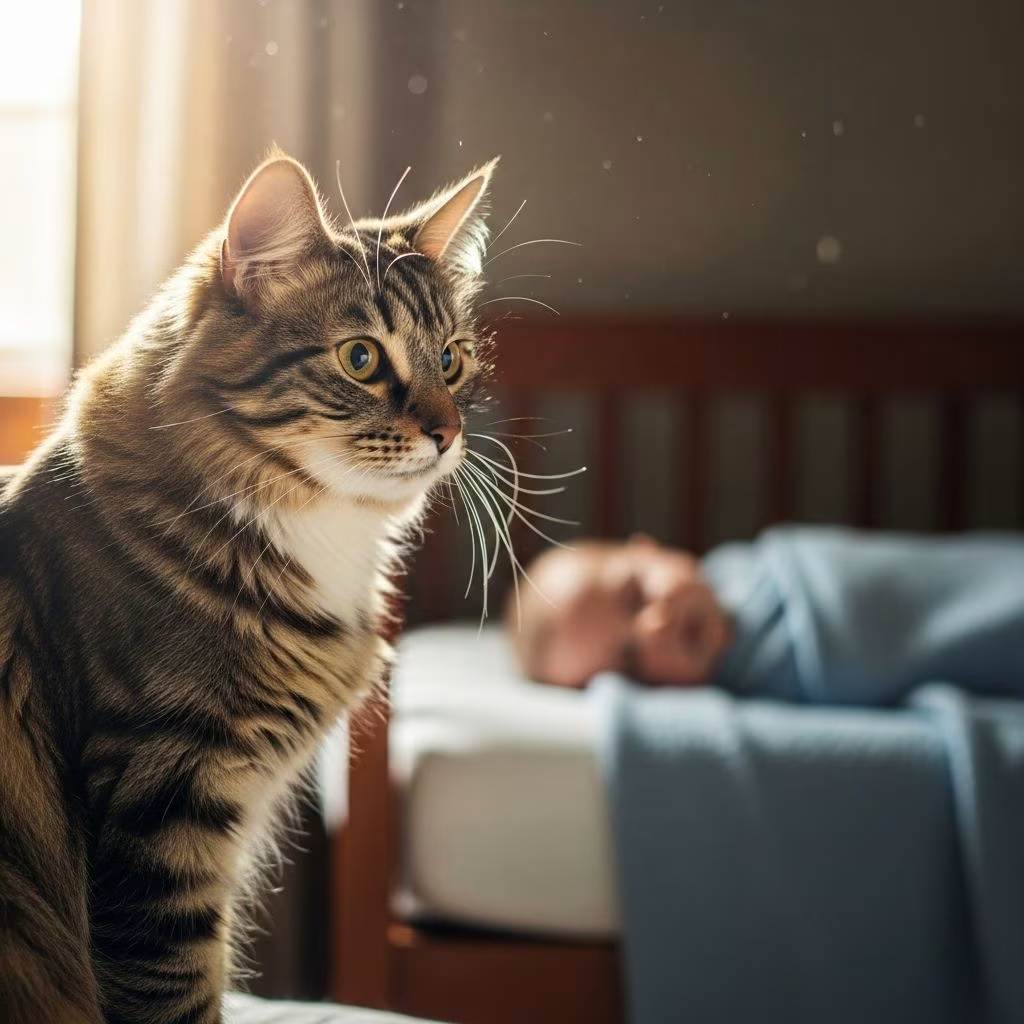
While cats often earn a reputation for independence, many owners notice their pets displaying behaviors that suggest a deep-seated urge to protect. These subtle actions, rooted in instinct, reveal how felines view their humans as part of their territory worth defending. Understanding these signs strengthens the bond between cat and owner, highlighting the quiet vigilance these animals provide.
The Instinctual Roots of Feline Protection
Cats descend from wild ancestors who survived by fiercely guarding resources and kin. Domesticated felines retain this drive, channeling it toward family members they trust. When a cat perceives vulnerability—whether illness, stress, or an intruder—they activate protective modes. Research shows cats can detect human emotions, responding with proximity or alertness to perceived threats.
This isn’t mere affection; it’s a calculated response. Cats assess risks using keen senses, positioning themselves strategically to monitor situations. Owners report cats shadowing them during unease or bristling at strangers, behaviors echoing wild survival tactics.
Key Behavioral Indicators of Protection
Recognizing protection requires observing patterns in body language and routines. Here are ten common signs, explained with context:
- Persistent Shadowing: If your cat trails you room-to-room, especially during new routines or stress, it’s likely ensuring your safety. This mirrors pack-like vigilance in feral colonies.
- Bathroom Vigilance: Cats often plant themselves outside bathroom doors, meowing or pawing. This guarding stems from affection and instinct to protect during isolated moments.
- Vocal Warnings: A prolonged meow, yowl, or chirp directed at outsiders signals ‘back off.’ Unlike growls, these are non-aggressive alerts meant to deter without confrontation.
- Strategic Positioning: Curling near you on furniture or beds positions the cat as a sentinel, ready to intercept dangers. They prioritize your side over safer spots.
- Comforting Purring: Purring isn’t just contentment; in tense scenarios, it soothes both cat and human, reinforcing security. Context matters—relaxed posture confirms protection over distress.
- Fur Fluffing and Arched Back: Puffed tails or full-body piloerection makes cats appear larger against threats. This defensive display aims to intimidate while shielding you.
- Intense Staring: Dilated pupils and locked gaze on potential dangers indicate hyper-vigilance. Narrow pupils with arched posture signal imminent defense readiness.
- Territorial Marking: Increased rubbing, scratching, or head-butting claims you as ‘theirs,’ warding off rivals. This affection-laced behavior doubles as protection.
- Alert Ear Twitching: Forward ears scanning noises, paired with upright tails, show active threat monitoring. Relaxed ears contrast this focused state.
- Blocking Pathways: Cats weaving between you and doors/windows or strangers physically interposes themselves, a bold guardian move.
Body Language Breakdown: Reading the Signs
| Sign | Body Cue | Meaning | Source Insight |
|---|---|---|---|
| Relaxed Protection | Upright tail, slow blinks, cheek rubs | Comfortable guardianship | Cats Protection |
| Defensive Alert | Dilated eyes, puffed fur, arched back | Threat assessment | YouTube Analysis |
| Affectionate Guard | Purring, kneading, head-butting | Bonding defense | Cats.com |
| Vocal Defense | Yowls, slow meows | Warning without attack | YouTube Transcript |
This table summarizes core cues. Note: Avoid staring back—cats interpret it as aggression, potentially escalating tension.
Why Cats Choose to Protect Specific People
Not all cats guard equally; selection depends on trust and vulnerability perception. Cats bond deeply with caregivers providing food, play, and calm. Sensitive individuals—children, elderly, or ill—elicit stronger responses. A 2015 study cited in behavioral analyses confirms cats distinguish emotions, drawing closer during anxiety.
Factors influencing this:
- Bond strength from daily interaction.
- Your routine changes signaling weakness.
- Home environment with unfamiliar visitors.
Encourage it positively by respecting space during alerts.
Distinguishing Protection from Other Behaviors
Context prevents misreads. Purring with tense posture might indicate stress, not protection. Aggression toward familiars warrants vet checks for pain. Track patterns: true protection clusters around threats or your unease.
Enhancing Your Cat’s Guardian Role
Foster instincts safely:
- Provide high perches for oversight.
- Use puzzle toys sharpening senses.
- Respond to alerts calmly, rewarding with treats.
- Maintain health checkups—pain alters behavior.
Safe outlets prevent redirected aggression.
Real Owner Stories: Protection in Action
Anecdotes abound: One owner shared their cat yowling at a doorstep intruder, fur puffed, until police arrived. Another noted bathroom guarding intensifying during pregnancy, sensing vulnerability. These align with expert observations of feline loyalty.
Potential Risks and When to Intervene
Overzealous protection can lead to scratches if cats misdirect fear. If hissing targets known people or persists, consult vets or behaviorists. Rule out medical issues like hyperthyroidism mimicking aggression.
FAQs: Common Questions on Cat Protection
Is my cat protecting me or just clingy?
Clinginess lacks threat-response; protection ties to stressors like strangers or illness.
Why does my cat follow me to the bathroom?
Vulnerability in isolation triggers guarding, often with purring affection.
Should I discourage protective behaviors?
No—gently channel via enrichment. Punishment erodes trust.
Do all cats protect their owners?
Most show degrees, amplified by strong bonds and personality.
What if my cat growls at guests?
Introduce slowly; desensitize with positive associations. Persistent issues need pros.
Conclusion: Cherish Your Feline Sentinel
Your cat’s protective displays affirm profound loyalty. By decoding these signs, you honor their instincts, deepening mutual respect. Observe, appreciate, and reciprocate with care—these guardians deserve it.
References
- 8 Signs You Have a Protective Cat — Feline Fanatics (YouTube). 2025-02-02. https://www.youtube.com/watch?v=l58AOkteL_k
- Why Does My Cat Guard Me When I Go to the Bathroom? — Cats.com. Accessed 2026. https://cats.com/why-does-my-cat-guard-me-when-i-go-to-the-bathroom
- Cat Body Language — Cats Protection (Cats.org.uk). Accessed 2026. https://www.cats.org.uk/help-and-advice/cat-behaviour/cat-body-language



