

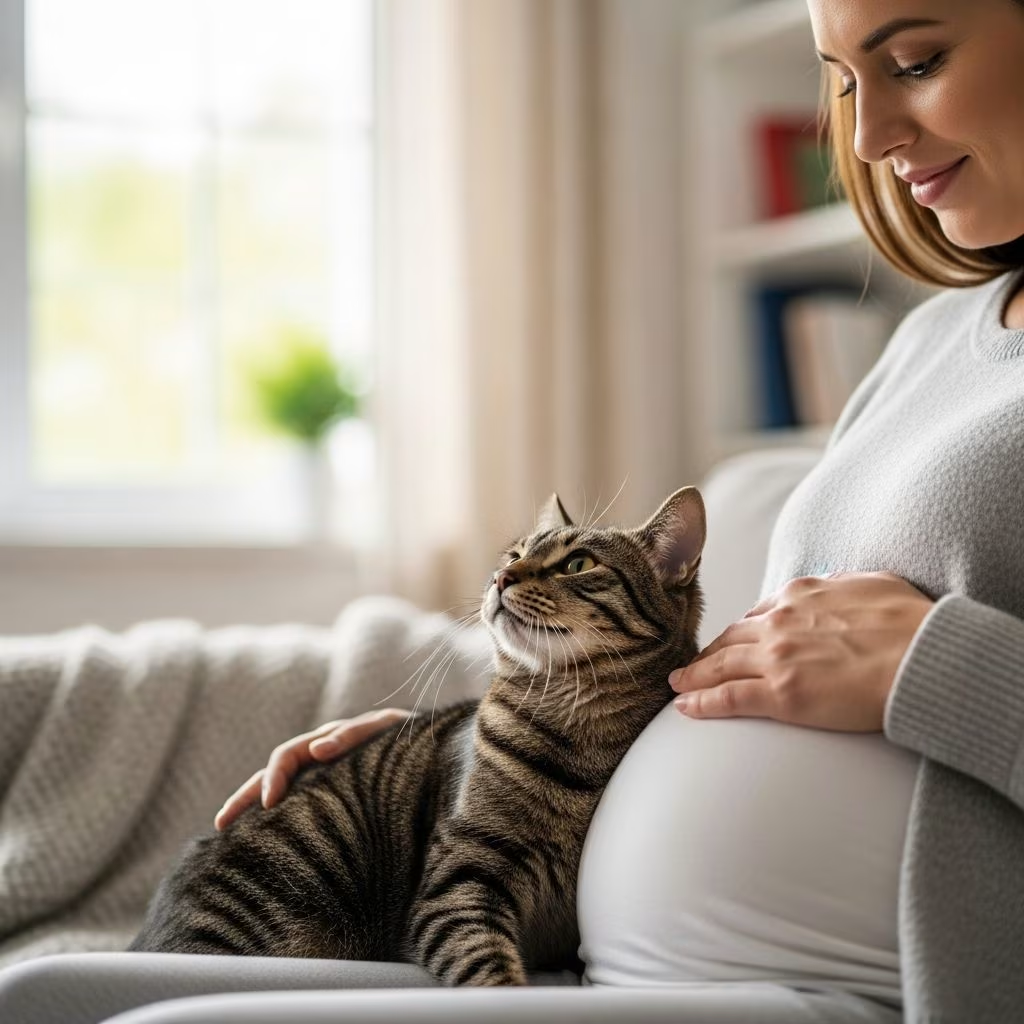
Expecting a child while sharing your home with a cat raises valid concerns, but research shows that with basic precautions, it’s generally safe to keep your feline friend. The primary worry centers on toxoplasmosis, a parasitic infection, yet the overall risk remains low for most households.
Understanding the Main Health Concern: Toxoplasmosis
Toxoplasmosis stems from the parasite Toxoplasma gondii, which cats can carry in their feces, particularly if they hunt outdoors or consume infected prey. For pregnant individuals, a new infection during pregnancy can potentially cross the placenta, leading to complications like miscarriage, stillbirth, or developmental issues in the baby, such as vision problems, hearing loss, or neurological delays.
However, transmission to humans requires ingesting the parasite, typically through accidental contact with contaminated feces followed by not washing hands before eating. Studies emphasize that petting cats, sleeping near them, or casual interactions pose no risk. In regions like the UK, affected births occur in only 1 in 10,000 to 30,000 cases, highlighting its rarity.
Debunking Common Myths About Cats and Expectant Mothers
- Myth: All cats are dangerous during pregnancy. Fact: Only infected cats shed the parasite, and even then, only for a short period after initial infection. Indoor cats fed commercial food are at minimal risk.
- Myth: You must rehome your cat. Fact: No evidence supports removing healthy indoor cats; simple hygiene suffices.
- Myth: Scratching or biting spreads toxoplasmosis. Fact: These do not transmit the parasite; focus on litter hygiene instead.
These misconceptions often stem from outdated fears, but modern veterinary guidance confirms cats enhance family life without undue peril.
Practical Precautions for Low-Risk Cat Ownership
To eliminate worries, adopt these evidence-based strategies throughout pregnancy.
Litter Box Management
The litter box is the key exposure point since the parasite becomes infectious 1-5 days after shedding. Daily scooping by a non-pregnant household member renders it safe. If unavoidable, wear disposable gloves, clean immediately, and wash hands thoroughly.
| Precaution | Why It Works | Frequency |
|---|---|---|
| Daily litter scooping | Prevents oocysts from becoming infectious | Every 24 hours |
| Wear gloves for cleaning | Barrier against fecal matter | Each use |
| Hand washing post-cleaning | Removes any residue | Immediately after |
| Use covered litter boxes | Reduces contamination spread | Always |
Keep Cats Indoors and Diet-Controlled
Prevent outdoor access to avoid hunting rodents or birds harboring the parasite. Feed only commercial dry or canned food, avoiding raw meat. This drastically cuts infection odds for your cat.
Gardening and Soil Safety
Cat feces in soil can contaminate gardens. Wear gloves when gardening, cover sandboxes, and wash produce thoroughly. Risks from undercooked meat or unwashed veggies often exceed those from pets.
Pre-Pregnancy Preparations for Peace of Mind
Before conception, schedule a veterinary exam. Test for toxoplasmosis, update vaccinations, flea/tick preventives, and deworming. Address dental or other issues early to avoid disruptions later. Blood tests can check your immunity; prior exposure often provides lifelong protection.
Benefits of Cats During Pregnancy
Beyond safety, cats offer tangible advantages. Petting reduces stress and anxiety, with one study showing cat owners 30% less likely to suffer heart attacks or strokes over a decade. They provide emotional support, combating pregnancy-related mood dips, and foster family bonding that strengthens post-birth.
Many report deeper pet attachments during pregnancy, aiding mental health.
Veterinary Care Throughout Pregnancy
Maintain routine check-ups. Monitor for appetite changes, litter habits, or lethargy signaling illness. Keep parasites at bay with monthly treatments. A healthy cat means fewer worries.
Preparing Your Cat for the New Baby
Cats sense changes and may react with anxiety or jealousy. Gradually introduce baby items like strollers, using positive reinforcement. Create a quiet retreat space for your cat. Post-birth, supervise interactions, rewarding calm behavior.
- Play baby sounds at low volumes to desensitize.
- Adjust feeding routines early to mimic busier days.
- Avoid forcing contact; let curiosity build naturally.
Other Potential Risks and How to Address Them
Beyond toxoplasmosis, consider scratches causing infections or allergies, though rare. Trim nails regularly and watch for behavioral shifts. Dogs pose even lower toxoplasmosis risk unless they ingest cat feces.
For fertility, men should also avoid litter handling to prevent sperm impacts, though evidence is preliminary.
Frequently Asked Questions (FAQs)
Can I sleep with my cat while pregnant?
Yes, cuddling and sleeping near your cat is safe, as transmission isn’t through fur or saliva.
What if my cat goes outside?
Transition to indoor-only to minimize risks; consult your vet for a smooth change.
Should I get a toxoplasmosis test?
Pregnant individuals can request one; immunity from past exposure protects the baby.
Is raw meat a bigger risk than cats?
Often yes—cook meat thoroughly and wash hands after handling.
How do I know if my cat has toxoplasmosis?
Vets test via blood or stool; most cats show no symptoms.
Long-Term Family Harmony with Cats
With precautions, cats enrich pregnancy and early parenthood. They teach responsibility, provide joy, and studies link pet ownership to better child health outcomes, like reduced allergies. Plan ahead, communicate with your support network for litter duties, and enjoy this special time.
Consult healthcare providers for personalized advice, as individual risks vary.
References
- Is it safe for a pregnant woman to have a cat? — Union Lake Veterinary Hospital. 2023. https://unionlakeveterinaryhospital.com/blog/is-it-safe-for-a-pregnant-woman-to-have-a-cat
- Pregnancy with Cats | Cats Protection Blog — Cats Protection. 2023. https://www.cats.org.uk/cats-blog/baby-love
- A Comprehensive Guide to Cats and Pregnancy — Pet Health Harbour. 2024. https://pethealthharbour.com/others/a-comprehensive-guide-to-cats-and-pregnancy/
- Pregnancy With Cats in 2025: Facts, Myths, and Safety Tips — Twin Pines Vet. 2025. https://twinpinesvet.com/cats-pregnancy/
- Pregnancy With Cats: What to Know — WebMD. 2024. https://www.webmd.com/baby/pregnancy-with-cats-what-to-know
- Pregnancy & Cats — SPCA LA. 2023. https://spcala.com/pet-library/behavior-training/pregnancy-cats/



