

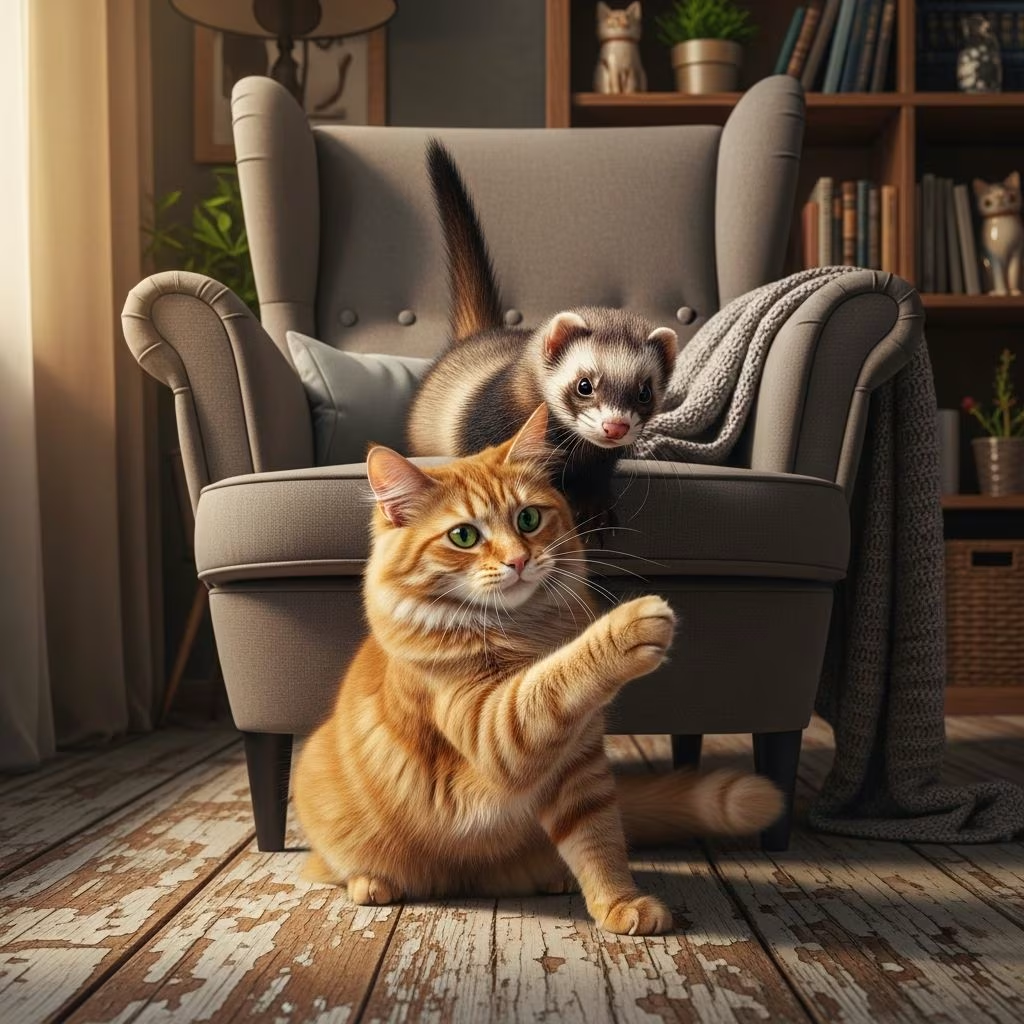
Many pet owners dream of a bustling household filled with different animals, but introducing a ferret to a cat-owning home raises valid concerns about compatibility. While these two species share playful natures and predatory instincts, successful cohabitation hinges on careful planning, individual personalities, and ongoing supervision. With proper steps, cats and ferrets often form tolerant relationships, sometimes even enjoying joint play sessions that enrich both their lives.
Understanding the Natural Dynamics Between Cats and Ferrets
Cats and ferrets both belong to the carnivorous world of mustelids and felines, respectively, which influences their interactions. Cats, as established predators, possess sharp claws and a strong hunting drive that could view a smaller ferret as potential prey. Ferrets, despite their bold curiosity, weigh less and carry inherent vulnerabilities in such matchups. Yet, their overlapping behaviors—like chasing, pouncing, and exploring—create opportunities for bonding rather than conflict.
Key factors include size disparity: adult cats typically outweigh ferrets by several pounds, giving felines a physical edge in any altercation. Ferrets compensate with agility and sharp teeth, but injuries remain a risk for both. Observers note that ferrets often initiate contact out of fascination, while cats might respond with indifference or irritation depending on their mood.
Shared Traits That Foster Potential Friendship
What makes these animals promising housemates? Their biological and behavioral parallels provide a strong foundation.
- Obligate Carnivore Diets: Both thrive on high-protein, meat-based meals, reflecting their hunter origins. This similarity means they understand each other’s nutritional world, though separate feeding prevents competition.
- Crepuscular Activity Patterns: Active during dawn and dusk, they align in energy peaks, allowing synchronized play without constant disruption to each other’s rest.
- Playful Exploration: Love for climbing, tunneling, and toy-chasing unites them. Ferrets’ boundless energy can invigorate laid-back cats, sparking mutual engagement.
- Litter Training Compatibility: Ferrets can use cat litter boxes, simplifying household hygiene when spaces are designated properly.
These overlaps reduce friction, but temperament trumps all. A high-prey-drive cat might fixate on a darting ferret, mistaking play for hunt.
Potential Risks and Warning Signs to Watch For
Not every pairing succeeds. Aggression manifests quickly: cats may swat, bite, or pin ferrets, while ferrets retaliate with nips or scratches. Trauma from fights can lead to lasting fear or injury, underscoring the need for vigilance.
| Sign of Positive Interaction | Sign of Tension or Aggression |
|---|---|
| Relaxed ears, slow blinks, grooming nearby | Pinned-back ears, dilated pupils, hissing or growling |
| Play bows, chirping ‘dooking’ from ferret, mutual chasing | Stalking posture, swatting, raised fur or arched back |
| Side-by-side lounging or shared toy interest | Intense staring, lunging, or biting attempts |
High prey drive in cats amplifies risks—watch reactions to quick movements or squeaks. Ferrets’ fearlessness sometimes provokes tolerant cats into defensive snaps.
Step-by-Step Guide to Introducing Cats and Ferrets
Patience defines successful integrations. Rush it, and instincts override curiosity. Follow this phased approach for minimal stress.
- Scent Familiarization (Days 1-3): Swap bedding or rub cloths between them. Let each investigate the other’s smell in isolation to build neutral associations.
- Caged Observations (Week 1): Place the ferret in a secure enclosure in a neutral room. Allow the cat to approach at will, rewarding calm behavior with treats. Repeat daily, noting reactions.
- Leashed Encounters (Week 2): With cat on a harness, let ferret roam supervised. Maintain distance; intervene at first tension signs. Sessions last 10-15 minutes.
- Supervised Free Play (Week 3+): If prior steps succeed, permit brief unleashed interactions. Stay present, providing escape routes like ferret cages or high perches for cats.
- Long-Term Monitoring: Gradually extend unsupervised time only after months of harmony. Always separate at night or when absent.
Age matters: Kittens and kits introduced young adapt best, lacking ingrained territoriality. Spay/neuter both to curb hormone-fueled aggression.
Creating a Safe Multi-Pet Environment
Beyond introductions, design your space for peace. Vertical territory suits cats—install shelves and towers. Ferrets need ferret-proofed playpens with tunnels and hammocks.
- Separate feeding stations to dodge food guarding.
- Individual toys prevent resource squabbles.
- Multiple litter boxes, spaced out.
- Baby gates for controlled access during settling.
Vaccinations and health checks ensure no disease transmission. Ferrets require specific vet care; cats benefit from ferret-aware professionals.
Real-World Success Stories and Challenges
Countless households thrive with cat-ferret duos. Playful chases evolve into nap-time truces, with ferrets ‘doeking’ excitedly around patient cats. Challenges arise in mismatched energies: hyper ferrets overwhelm seniors cats, prompting swats.
One common pitfall? Overconfidence post-initial meets. A sudden chase instinct can injure; eternal supervision remains key, especially given ferrets’ fragility.
Health and Wellness Considerations for Coexistence
Both species demand tailored care. Cats need taurine-rich kibble; ferrets require higher-fat, bone-inclusive diets—no cat food long-term. Parasites like fleas jump species, so unified preventatives protect all.
Exercise synergy boosts welfare: joint wand-toy sessions tire them equally, reducing boredom-induced mischief. Monitor weights—shared activity prevents obesity.
FAQs: Common Questions on Cats and Ferrets
Can all cat breeds coexist with ferrets?
Friendlier breeds like Ragdolls or Maine Coons often tolerate ferrets better, but personality varies more than breed.
How long until they get along?
Weeks to months; some bond in days, others need separation indefinitely.
Is unsupervised play ever safe?
Rarely—always err toward caution, as accidents happen fast.
What if my cat chases the ferret?
Separate immediately, reassess prey drive, and retry slowly with professional advice.
Do ferrets see cats as playmates?
Often yes—their boldness leads to invitations via bounces and nudges.
In summary, cats and ferrets can share homes vibrantly when owners prioritize safety and patience. Temperament assessment, gradual intros, and vigilant oversight pave the way for companionship that delights without danger.
References
- Will Cats Get Along With Ferrets? How They Can Coexist — Catster. 2023-10-15. https://www.catster.com/cat-health-care/will-cats-get-along-with-ferrets/
- Do Cats and Ferrets Get Along? Factors, Tips & Suggestions — WOpet. 2024-05-20. https://wopet.com/cats/do-cats-and-ferrets-get-along/
- Do Cats and Ferrets Get Along? — Litter-Robot. 2024-02-12. https://www.litter-robot.com/blog/do-cats-and-ferrets-get-along/
- Cats and Ferrets Get Along — Oreate AI Blog. 2023-11-08. https://www.oreateai.com/blog/cats-and-ferrets-get-along/
- Do Cats And Ferrets Get Along? Here’s How To Make That Work — The Cat Site. 2024-01-05. https://thecatsite.com/c/cats-and-ferrets-get-along/



