

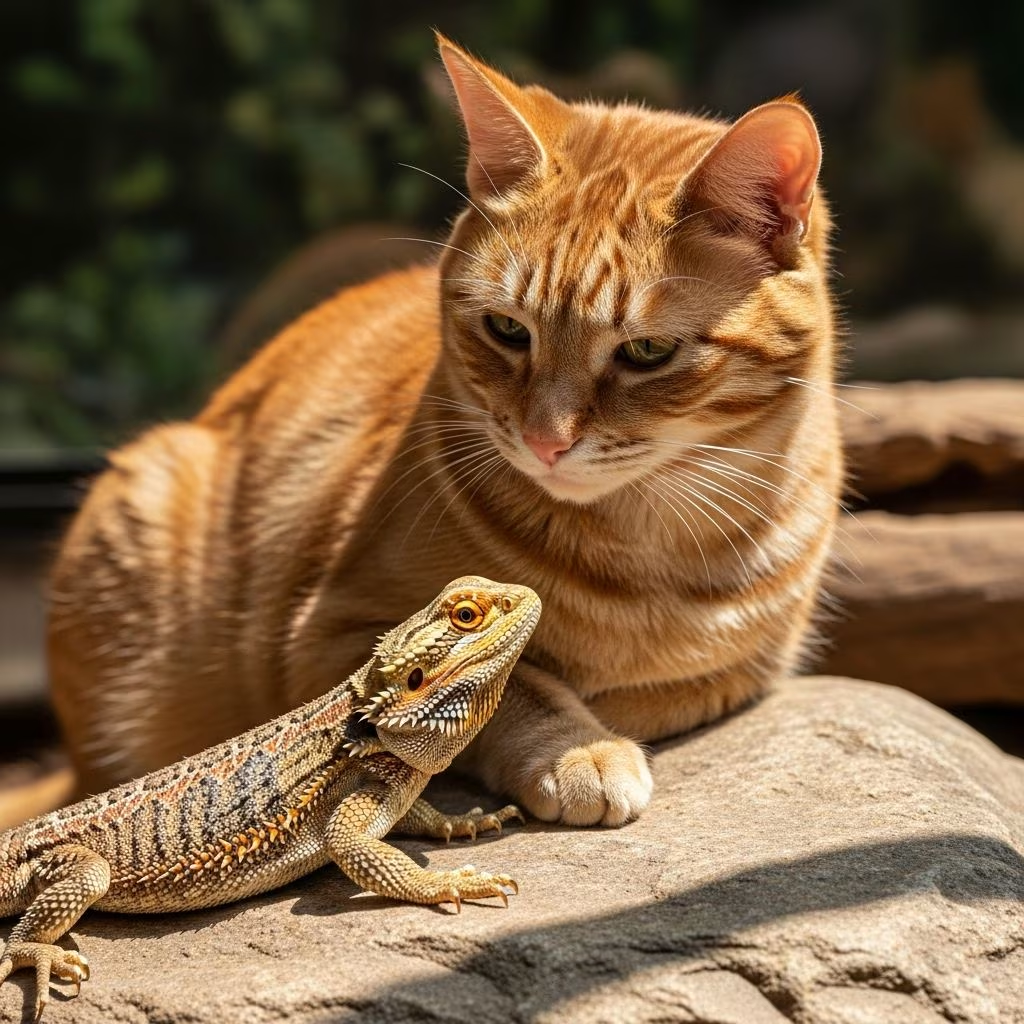
Many pet enthusiasts wonder if felines and reptiles like bearded dragons can share a living space without incident. While direct friendships are rare due to instinctual differences, careful management allows both to thrive in one household. This guide outlines key considerations for housing, behavior, and care to minimize risks and foster peace.
Understanding Natural Instincts and Behaviors
Cats possess a strong predatory drive, viewing small moving creatures as potential prey. Bearded dragons, despite their docile reputation, are wild-derived reptiles with defensive mechanisms like throat puffing and tail whipping. These traits create inherent tensions when combined.
- Cats may stalk or pounce on a dragon’s enclosure out of curiosity or hunting instinct.
- Bearded dragons can stress from constant feline observation, leading to appetite loss or illness.
- Individual temperaments vary: calmer cats adapt better, while high-energy ones pose greater threats.
Supervised settings reduce dangers, but free-roaming interactions are discouraged. Both species are solitary by nature, thriving without interspecies play.
Optimal Housing Setups for Harmony
Secure enclosures form the foundation of safe multi-pet homes. Bearded dragons require spacious tanks to mimic their arid Australian habitats.
| Life Stage | Minimum Tank Size | Key Features |
|---|---|---|
| Juvenile | 20 gallons | UVB lighting, heat gradient (95-110°F basking), hides |
| Adult | 40+ gallons | Same as juvenile, plus climbing branches, substrate like reptile carpet |
Position tanks high or in a cat-free zone to prevent pawing or jumping. Use sturdy lids with locks—cats are adept escape artists. Avoid loose substrates like sand if feeding inside the tank, as ingestion risks gut impaction.
For cats, provide ample vertical spaces and toys to redirect energy away from the reptile area. Separate feeding stations prevent dietary mix-ups and jealousy.
Dietary Differences and Feeding Protocols
Cats are obligate carnivores needing high-protein meat-based kibble or wet food. Bearded dragons are omnivores, shifting from insect-heavy juvenile diets to vegetable-dominant adult ones.
- Juveniles: 70-80% insects (crickets, dubia roaches—gut-loaded), 20-30% greens/veggies.
- Adults: 20-30% insects, 70-80% veggies/fruits like collards, squash, berries.
Never share food: cat kibble lacks vital nutrients for dragons and may cause obesity or deficiencies. Insects for dragons attract cats—feed reptiles in a separate tank. Discard uneaten produce within 10 hours to avoid spoilage.
Supplements are crucial for dragons: alternate calcium with/without D3 daily, multivitamins weekly. Toxic foods include fireflies, avocados, onions—cats should avoid dragon treats too.
Step-by-Step Introduction Process
Slow acclimation prevents trauma. Rush it, and stress or injury follows.
- Scent Swap (Week 1): Rub a cloth on one pet, offer to the other. Builds familiarity without visuals.
- Visual Exposure (Week 2): Place dragon tank in cat-view but unreachable. Reward calm cat behavior.
- Supervised Proximity (Week 3+): Hold dragon securely; let cat observe from afar. Short sessions, 5-10 minutes.
- Monitor Signs: Hissing, puffing, swatting mean pause and regress.
Success depends on patience—some pairs tolerate each other indefinitely with management.
Health Risks and Monitoring
Cats risk scratches from defensive dragons; reptiles face puncture wounds or crushing from playful paws. Chronic stress manifests as lethargy, refusal to eat, or aggression.
- Regular vet checks: reptile specialists for metabolic bone disease; feline for parasites.
- Hygiene: Separate cleaning tools to avoid cross-contamination.
- Watch for illness: Dragons need precise UVB/heat; cats monitor for stress-induced behaviors like over-grooming.
Juveniles under 12 inches are most vulnerable—delay introductions until adulthood.
Daily Routines for Multi-Pet Bliss
Consistency breeds security. Schedule dragon basking/feeding when cat naps. Enrich environments: puzzle feeders for cats, varied textures for dragons.
Track interactions in a journal: note triggers for tension. Adjust as needed—high prey-drive cats may need training or rehoming consideration.
Common Myths Debunked
- Myth: Dragons eat cat food. Possible short-term but nutritionally imbalanced—stick to species-specific diets.
- Myth: All cats attack reptiles. Temperament varies; many coexist peacefully with barriers.
- Myth: Free play is fine if supervised. Even brief lapses risk disaster—err on caution.
FAQs
Can cats and bearded dragons ever be friends?
Rarely true bonds form, but tolerance is achievable with strict protocols.
What if my cat ignores the dragon?
Ideal scenario—monitor anyway for sudden instinct shifts.
Is a screen top enough enclosure security?
No—cats pry screens; use latched glass/acrylic lids.
How do I stop cat staring at the tank?
Block line-of-sight with furniture; distract with play.
What age dragon is safest with cats?
Adults over 18 inches—less prey-like.
Success Stories and Expert Tips
Owners report harmony via elevated tanks and routine. Consult herpetologists for personalized advice. Invest in automation: timers for lights, cameras for monitoring.
Ultimately, prioritize welfare—separating pets during absences ensures safety.
References
- Bearded Dragon Care Sheet — PetMD. 2023. https://www.petmd.com/reptile/bearded-dragon-care-sheet
- Cats and Bearded Dragons: Do They Get Along? — Dragons Diet. 2023. https://dragonsdiet.com/blogs/dragon-care/cats-and-bearded-dragons-can-they-play-together-do-they-get-along
- Do Cats & Bearded Dragons Get Along? Vet-Verified Facts — Catster. 2023. https://www.catster.com/lifestyle/do-cats-and-bearded-dragons-get-along/
- Cats and Bearded Dragons: Can These Unlikely Pets Get Along? — WoPet. 2023. https://wopet.com/cats/cats-and-bearded-dragons/
- Bearded Dragon Care 101: The Basics — Sure4Pets. 2023. https://sure4pets.uk/bearded-dragon-care-101-the-basics/



