

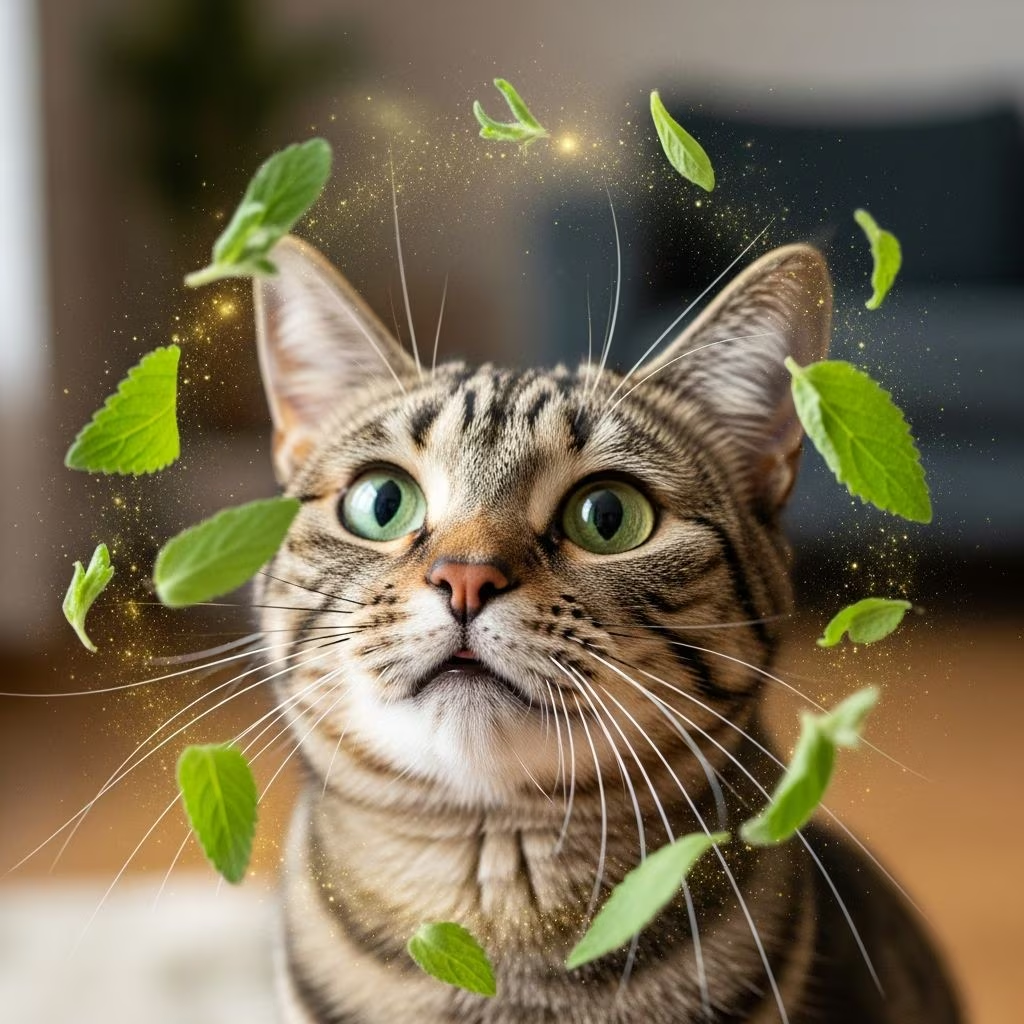
Catnip elicits intense reactions in many cats, mimicking a state of euphoria through chemical compounds that stimulate their sensory systems. This response, far from a simple high, involves complex neurological pathways and offers practical benefits like insect deterrence.
The Chemical Trigger: Nepetalactone and Beyond
The active ingredient in catnip, nepetalactone, is an essential oil concentrated in the plant’s leaves and stems. When cats inhale or contact it, this compound binds to nasal receptors, activating sensory neurons that provoke rolling, rubbing, and playful antics. Recent research identifies nepetalactol in silver vine as a similar potent iridoid, eliciting comparable responses across domestic and wild felines.
These iridoids, produced by plants to ward off aphids, unexpectedly thrill cats by elevating beta-endorphin levels, engaging the opioid system akin to natural pain relievers. Studies confirm this: cats exposed to nepetalactol showed marked endorphin spikes, absent in opioid-blocked controls. Inhalation via the olfactory system drives hyperactivity, while ingestion may calm through vomeronasal pathways.
How Cats Respond: Behaviors and Duration
Sensitive cats display a spectrum of reactions: vigorous rolling, chin rubbing, drooling, and hind-leg kicking, often lasting 5-15 minutes. Post-exposure, a refractory period of 30-60 minutes renders them temporarily unresponsive. About 70-80% of cats inherit this trait, with sensitivity emerging around 6 months.
- Active responses: Flipping, batting, and energetic play to expend energy.
- Passive responses: Zoning out or mild sedation after initial frenzy.
- Species-wide appeal: Observed in leopards, lynxes, and jaguars.
A comprehensive study with 100 cats found 94% reacted to at least one euphoric plant, with silver vine captivating 71% of catnip non-responders.
Genetic and Developmental Factors
Catnip sensitivity is hereditary, linked to olfactory receptor genes. Kittens under 6 months typically ignore it, as neural pathways mature. Non-responders—roughly 20-30%—lack this genetic predisposition but may enjoy alternatives like Tatarian honeysuckle or valerian.
| Factor | Response Rate | Notes |
|---|---|---|
| Genetic Sensitivity | 70-80% | Hereditary trait. |
| Kitten Age <6 mo | Low | Immature response. |
| Silver Vine Backup | High in non-responders | 71% success. |
Safety Profile: Safe Stimulation or Hidden Risks?
Catnip poses minimal risks when used moderately; sniffing induces no adverse effects and may repel mosquitoes effectively. Treated feline heads attracted half as many mosquitoes as controls, rivaling DEET. However, overindulgence via ingestion can cause vomiting or diarrhea.
- Overstimulation: Rare aggression or hyperactivity; monitor and limit exposure.
- Allergies: Uncommon skin irritation or excess salivation; discontinue if observed.
- No addiction: Cats habituate temporarily, not dependently.
Experts affirm its safety for occasional enrichment, enhancing play and stress relief without long-term harm.
Alternatives to Catnip for Universal Appeal
Not all cats succumb to catnip, but options abound. Silver vine tops alternatives, drawing robust responses even from non-responders. Valerian root and Tatarian honeysuckle also trigger similar bliss via iridoids.
| Plant | Active Compound | Response Strength | Availability |
|---|---|---|---|
| Silver Vine | Nepetalactol | High (even big cats) | Common in toys. |
| Valerian Root | Similar iridoids | Moderate-High | Dried or toys. |
| Tatarian Honeysuckle | Irids | Moderate | Wood chews. |
These expand enrichment options, ensuring every cat enjoys sensory stimulation.
Evolutionary Insights: Pleasure with Purpose
Cats’ frenzy may serve survival: rubbing iridoids coats fur in mosquito repellent, reducing bites from disease vectors. This “pharmaceutical knowledge” from felines highlights insect-driven evolution. Wild ancestors likely self-medicated similarly, blending ecstasy with protection.
Practical Tips for Cat Owners
Incorporate catnip thoughtfully: sprinkle on scratchers, infuse toys, or grow fresh. Rotate with alternatives to prevent habituation. Observe initial reactions to tailor use, fostering exercise and bonding.
- Start small: 5-10 minutes sessions.
- Store sealed: Preserve potency.
- Combine with play: Channel energy productively.
Frequently Asked Questions
Does catnip get cats high like drugs?
It activates opioid receptors via endorphins, producing euphoria similar to mild opioids, but without addiction risk.
Why do some cats ignore catnip?
Genetic insensitivity affects 20-30%; try silver vine for better results.
Is catnip safe daily?
Occasional use is fine; daily may lead to tolerance or GI issues.
Can kittens have catnip?
Wait until 6 months for reliable response.
Does it repel fleas or ticks?
Effective against some mosquitoes, but not fleas/ticks.
Enhancing Feline Well-Being
Catnip and kin provide safe, engaging outlets for natural behaviors, burning energy and curbing boredom. By understanding these responses, owners enrich lives, leveraging science for joyful companionship.
References
- The Pros and Cons of Catnip: Understanding its Effects on Cats — Baxterboo. 2023. https://www.baxterboo.com/blog/a.cfm/pros-cons-catnip-understanding-its-effects-on-cats/
- Why cats are crazy for catnip — Science.org (AAAS). 2023-08-10. https://www.science.org/content/article/why-cats-are-crazy-catnip
- The Science Behind Catnip — NASC. 2024. https://www.nasc.cc/cat/the-science-behind-catnip/
- How Catnip Takes Cats to their Happy Place — GoldBio. 2023. https://www.goldbio.com/blogs/articles/how-catnip-take-cats-to-their-happy-place
- Catnip Study — Cats Cradle Senior Cat Sanctuary. 2023. https://www.cats-cradle.org/catnip-study.html
- Are catnip and treats like it safe for cats? — University of Melbourne. 2023-11-20. https://findanexpert.unimelb.edu.au/news/74658-are-catnip-and-treats-like-it-safe-for-cats%3F-here’s-how-they-affect-their-minds-and-moods



