

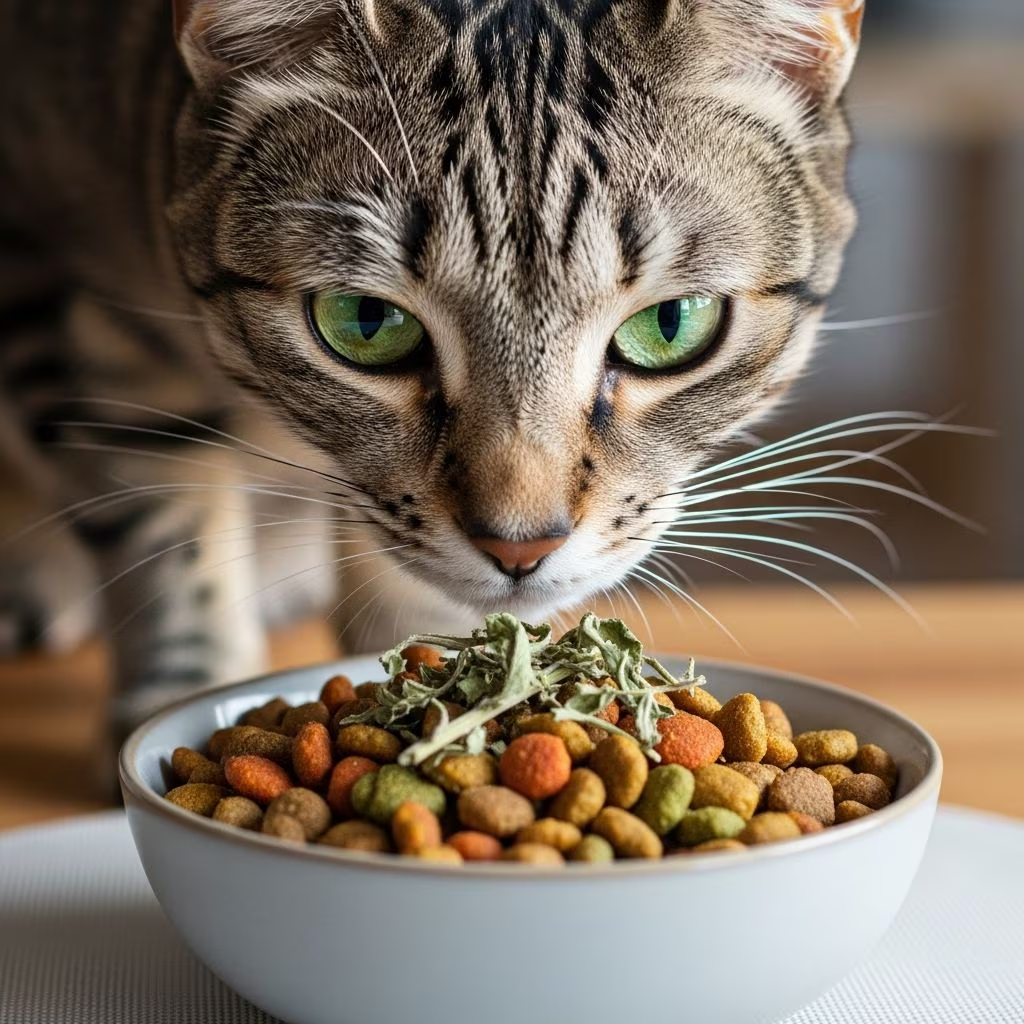
Catnip, derived from the Nepeta cataria plant in the mint family, triggers fascinating responses in many cats through its active compound nepetalactone. While inhaling it often leads to euphoric behaviors like rolling and purring, ingesting it produces a milder sedative effect. Homeowners frequently wonder if sprinkling catnip on kibble enhances meals or poses risks. This article examines the evidence on safety, advantages, drawbacks, and optimal applications to keep your cat thriving.
The Science Behind Catnip’s Appeal to Cats
Catnip’s magic stems from nepetalactone, an essential oil in the plant’s leaves, stems, and seeds. When sniffed, it binds to receptors in a cat’s olfactory system, sending signals straight to the brain’s pleasure centers. This mimics feline pheromones, eliciting reactions in about 70-80% of cats, though sensitivity is hereditary and typically matures around six months of age.
Effects vary: some cats zoom energetically, others mellow into relaxed states with drooling or rubbing. Ingested catnip shifts toward sedation, potentially calming anxious pets. Genetic non-responders exist, and overexposure can lead to tolerance, reducing novelty over time.
Is It Safe to Mix Catnip into Your Cat’s Diet?
Catnip is non-toxic and non-addictive for cats, historically used by humans for teas to ease digestion. Veterinary consensus holds that small amounts pose no harm, serving as enrichment without dependency risks. However, routine addition to food isn’t ideal. Inhaled nepetalactone provides stimulation, but eating large quantities may irritate the stomach, causing vomiting or diarrhea.
Fresh leaves heighten upset risk compared to dried forms due to higher moisture and potency. Kittens under six months and seniors may react minimally or sensitively, while cats with asthma should avoid inhalant particles that could worsen breathing.
| Aspect | Safe Usage | Risky Scenarios |
|---|---|---|
| Amount | Pinch (once weekly) | Excessive/large quantities |
| Form | Dried, processed | Fresh leaves |
| Frequency | Occasional treat | Daily in food |
| Health Conditions | Healthy adults | Asthma, GI issues |
Potential Health Benefits of Catnip Ingestion
Beyond play, catnip offers wellness perks when consumed moderately. Its mild sedative properties alleviate stress from environmental changes, vet visits, or new homes, promoting relaxation without pharmaceuticals.
- Stress Reduction: Nepetalactone soothes nerves, ideal for travel carriers or introductions to carriers.
- Digestive Aid: Acts as a gentle carminative, easing bloating, stimulating appetite in picky eaters, and supporting gut motility for cats with mild discomfort.
- Appetite Boost: Enhances meal interest without nutritional overload, useful for underweight or recovering felines.
- Activity Promotion: Indirectly encourages exercise via play, aiding weight management and muscle tone.
Organic varieties amplify purity, free from pesticides, maximizing therapeutic potential. Studies on humans parallel cat benefits, reinforcing its natural safety profile.
Drawbacks and When to Avoid Catnip in Food
While benefits abound, pitfalls warrant caution. Overindulgence disrupts eating patterns; strong flavors may deter meals entirely, leading to nutritional gaps. Allergic reactions, though rare, manifest as itching, sneezing, or lethargy—monitor new users closely.
Cats with pre-existing conditions like inflammatory bowel disease or allergies need vet clearance. Excessive intake risks GI distress, not from toxicity but fiber overload. Tolerance builds with daily use, diminishing appeal; rotate with other enrichments.
Young kittens lack response receptors, rendering it pointless, and pregnant or nursing queens require professional advice to safeguard litters.
Best Alternatives to Adding Catnip Directly to Meals
Maximize catnip’s joys without dietary risks through creative applications. Prioritize olfactory stimulation for peak effects.
- Toys and Scratchers: Stuff refillable toys or rub posts—daily scratches release scents, reinforcing habits.
- Sprays: 1-2 pumps on bedding, carriers, or furniture; reapply after hours for fresh sessions without residue.
- Growing Your Own: Indoor pots provide endless supply; harvest dried leaves for purity.
- Infused Products: Chew sticks, bubbles, or calming chews deliver controlled doses.
- Tea for Tummy Woes: Brew mild infusions (vet-approved) for soothing upset stomachs.
These methods preserve nepetalactone’s vapor form, optimizing brain response while minimizing ingestion.
Practical Tips for Introducing Catnip Safely
Start small: offer a pinch on a toy, observe for 10-15 minutes. Positive signs include purring or engagement; negatives like vomiting prompt cessation. Store sealed to prevent over-access.
Combine with training: reward scratching or carrier entry. For multi-cat homes, individualize to avoid competition. Organic, U.S.-grown catnip ensures quality sans contaminants.
Frequently Asked Questions (FAQs)
Can all cats have catnip?
About 70-80% respond genetically; others ignore it. Safe regardless, but effects vary.
How much catnip can a cat eat safely?
A small pinch weekly; more risks tummy upset. No overdose possible.
Does catnip make cats high?
It stimulates pleasure receptors briefly (5-15 minutes), akin to mild euphoria, then sedation if eaten.
Is catnip addictive for cats?
No, non-addictive; tolerance fades with breaks.
Can I give catnip to kittens?
Safe but ineffective under 6 months; response develops with maturity.
What if my cat eats too much catnip?
Monitor for vomiting/diarrhea; withhold and consult vet if persists. Hydrate and fast briefly.
Choosing Quality Catnip Products
Opt for dried, potent batches from reputable sources. Test freshness by scent strength—faded means weak effects. Avoid sprays with additives; pure nepetalactone extracts shine.
Homemade toys from socks stuffed with catnip extend fun sustainably. Rotate stimuli to combat boredom in indoor cats, blending with laser pointers or puzzle feeders.
References
- What Is Catnip? Is It Safe for My Cat? — Fresh Step. 2023. https://www.freshstep.com/cat-care/what-is-catnip-is-it-safe-for-my-cat/
- Can Cats Eat Catnip? — Chewy. 2024. https://www.chewy.com/education/cat/food-and-nutrition/can-cats-eat-catnip
- The Rise of Organic Catnip and Its Benefits — SmarterPaw. 2023. https://smarterpaw.com/blogs/news/the-rise-of-organic-catnip-and-its-benefits
- Catnip: A Natural Remedy for Your Cat’s Health — The Pet Beastro. 2024. https://www.thepetbeastro.com/blogs/bits-bites-natural-pet-health-blog/catnip-a-natural-remedy-for-your-cats-health/
- Can Cats Eat Catnip? Benefits, Risks and Fun Facts — Taste of the Wild Pet Food. 2023. https://www.tasteofthewildpetfood.com/articles/nutrition/can-cats-eat-catnip/
- Is Sprinkling Catnip on Cat Food a Good Idea? — Kitty Kick Stix. 2024. https://www.kittykickstix.com/blogs/cat-resources/sprinkling-catnip-on-cat-food-good-idea
- Why Do Cats Like Catnip? — CareCredit. 2023. https://www.carecredit.com/well-u/pet-care/why-do-cats-like-catnip/



