

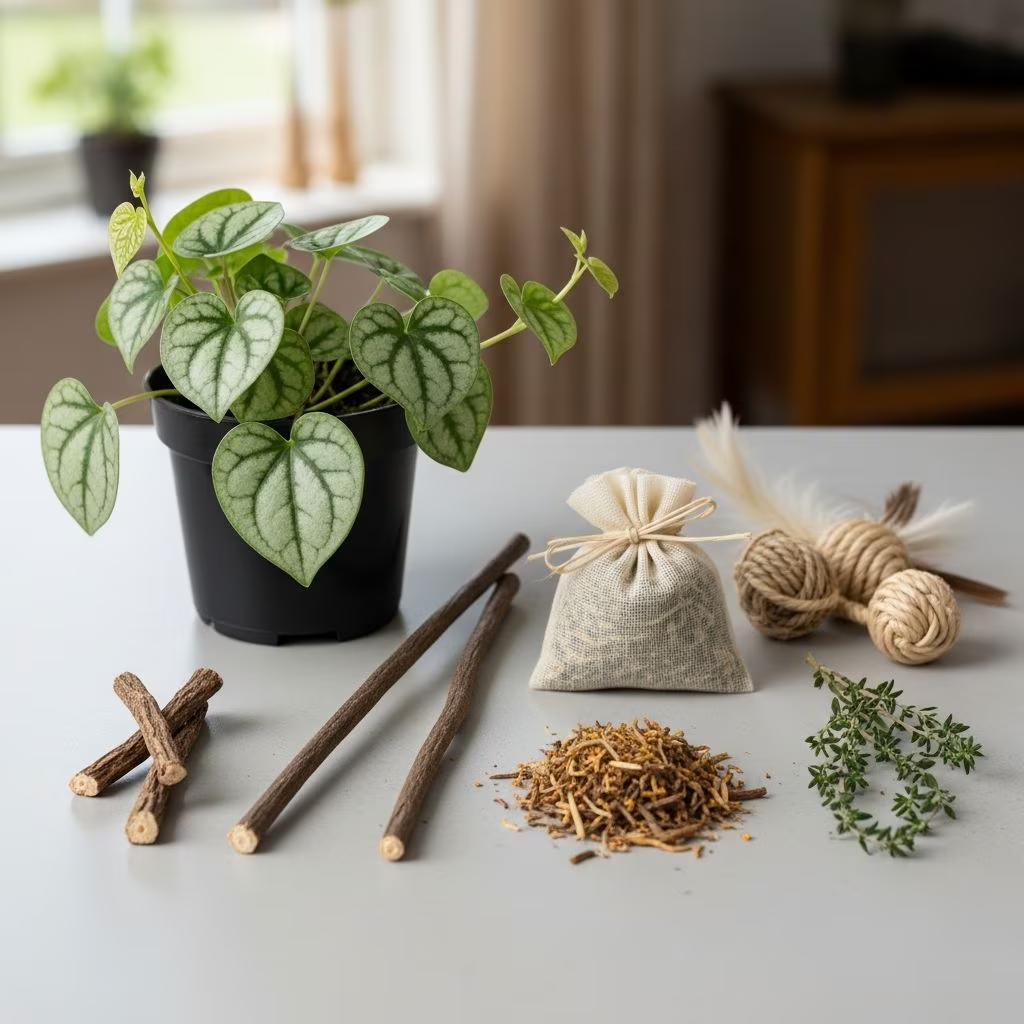
Cats often display captivating behaviors when encountering catnip, but not all felines respond to it. Approximately 68-70% of cats react to catnip due to its active compound nepetalactone, leaving many owners seeking other options to spark interest and promote engagement. This article delves into proven substitutes like silvervine, valerian root, and honeysuckle wood, explaining their mechanisms, benefits, and practical applications to help you enrich your cat’s environment effectively.
Understanding Catnip Sensitivity in Cats
The response to catnip is hereditary and typically emerges around 6-8 weeks of age, lasting 5-15 minutes per exposure. Cats that ignore catnip may still benefit from alternatives containing different attractants like actinidine or dihydroactinidiolide, which trigger similar euphoric responses via olfactory receptors. These substitutes not only encourage play but can also alleviate stress, making them valuable for multi-cat homes or anxious pets.
Silvervine: The Superior Stimulant
Silvervine, scientifically known as Actinidia polygama or matatabi, stands out as the most effective catnip alternative, captivating up to 80% of cats—surpassing catnip’s response rate. Native to East Asia, it has been used for centuries in Japan and China to elicit the famous ‘Matatabi dance,’ characterized by rolling, rubbing, drooling, and vocalizing.
Unlike catnip’s single key compound, silvervine boasts multiple actives, including actinidine and dihydroactinidiolide, which bind to feline sensory neurons for intense euphoria without habituation over time. Studies confirm that 75% of catnip-nonresponders react strongly to silvervine, making it ideal for variety.
- Forms Available: Powder for sprinkling on toys, sticks for chewing, whole dried leaves for sniffing.
- Duration: Effects last 5-30 minutes, repeatable every few days.
- Benefits: Boosts activity in lethargic cats, aids dental health via chewing sticks.
Valerian Root: Dual-Purpose Calmer and Energizer
Valerian root (Valeriana officinalis) offers a multifaceted appeal, acting as both a stimulant and sedative depending on the cat’s needs. Its compounds, including actinidine and valeric acid, mimic catnip’s effects for cats unresponsive to nepetalactone, promoting playfulness or relaxation.
Commonly used in human anxiety remedies, valerian provides stress relief for felines in shelters or new environments, while energizing laid-back cats. About 50-70% of cats show interest, with responses varying from zooming energy bursts to mellow lounging.
- Safe Usage: Dried root, powder, or sprays; start with small amounts to gauge reaction.
- Precautions: Avoid overuse to prevent digestive upset; consult vets for senior cats.
- Advantages: Versatile for multi-effect enrichment routines.
Tatarian Honeysuckle Wood: Chewy Delight
Tatarian honeysuckle wood from Lonicera tatarica appeals to roughly 50% of cats through actinidine, producing excitable or calming reactions similar to other herbs. Offered as wood chips, sticks, or powder, it encourages chewing, which supports oral hygiene by reducing plaque.
Owners note copious drooling, but cleanup is minimal compared to powders. Crucially, only the wood is safe—berries, leaves, and flowers are toxic and must be avoided. It’s perfect for cats preferring tactile interaction over sniffing.
- Application Ideas: Stuff toys with chips, provide sticks for supervised gnawing.
- Response Profile: Playful rubbing or serene chewing sessions.
- Longevity: Sticks last weeks with repeated use.
Other Promising Options: Catmint and Cat Thyme
Catmint (Nepeta cataria variant) shares nepetalactone with catnip, affecting big cats too, but may not suit true non-responders. Cat thyme (Teucrium marum) delivers playful and calming effects via unknown compounds, ideal for sprinkling in play areas. These expand options for comprehensive feline stimulation.
Comparative Overview of Catnip Substitutes
The table below summarizes key differences to guide selection based on your cat’s preferences and needs.
| Herb | Response Rate | Key Compounds | Main Effects | Best Forms |
|---|---|---|---|---|
| Silvervine | 80% | Actinidine, Dihydroactinidiolide | Euphoria, intense play | Powder, sticks |
| Valerian Root | 50-70% | Actinidine, Valeric Acid | Stimulant or calming | Powder, dried root |
| Honeysuckle Wood | 50% | Actinidine | Chewing, mild euphoria | Chips, sticks |
| Catnip (Baseline) | 68-70% | Nepetalactone | Playful euphoria | Dried leaves, toys |
Safe Usage Guidelines and Precautions
Moderation is key—offer alternatives 2-3 times weekly to prevent tolerance. Supervise sessions to avoid ingestion of large quantities, which could cause mild GI upset. Kittens under 8 months and pregnant cats may show reduced or no response. Source products from reputable suppliers to ensure purity, free of pesticides.
Combine with toys, puzzles, and rotation for optimal enrichment. If behavioral issues persist, veterinary consultation rules out medical causes.
Enhancing Your Cat’s Environment
Integrate these herbs into daily routines: sprinkle on scratchers, infuse toys, or create ‘herb stations.’ Track reactions in a journal to identify favorites, tailoring to age, health, and personality. This proactive approach fosters mental sharpness, physical activity, and stronger bonds.
Frequently Asked Questions (FAQs)
Can cats overdose on silvervine or valerian? Rare, but excess may lead to temporary lethargy or vomiting. Stick to recommended doses.
Why doesn’t my cat respond to catnip? Genetic factor; 30-32% lack the receptor. Try silvervine first for highest success.
Are these safe for daily use? No—limit to prevent desensitization. Rotate options weekly.
How long do effects last? 5-30 minutes, varying by herb and cat.
Where to buy authentic products? Pet stores or online from trusted brands specializing in natural feline items.
References
- The Benefits of Valerian Root as a Catnip Alternative — SmarterPaw. 2023. https://smarterpaw.com/blogs/news/the-benefits-of-valerian-root-as-a-catnip-alternative
- 4 Great Alternatives to Catnip — Catoro Pets. 2023. https://catoropets.com/blogs/news/4-alternatives-to-catnip
- Alternatives to Catnip — East Valley Animal Hospital. 2023. https://www.eastvalleyanimal.com/alternatives-to-catnip/
- Best Catnip Alternatives for Cats: 10 Effective Options — Mt. Airy Veterinary Hospital. 2023. https://mtairyvet.com/best-catnip-alternatives-for-cats-10-effective-options-for-non-responsive-felines/
- The Difference Between Catnip and Other Herbal Options — Kitty Kicks. 2023. https://www.kittykickstix.com/blogs/cat-resources/catnip-vs-other-herbal-options
- Silvervine Plant: An Alternative to Catnip — PetMD. 2023-10-01. https://www.petmd.com/cat/general-health/silver-vine-plant-alternative-catnip



