

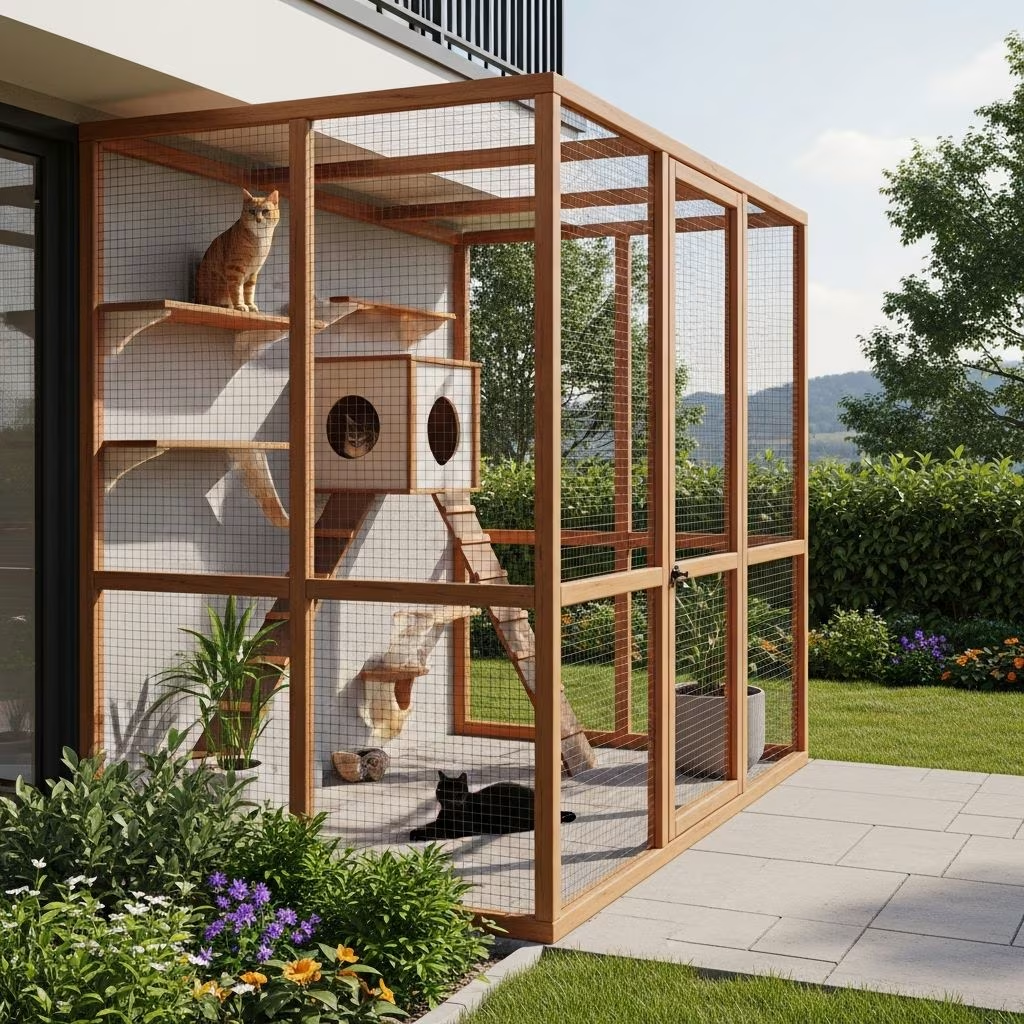
The question of whether to allow cats outdoor access has long challenged pet owners and veterinarians alike. Traditional outdoor freedom exposes cats to numerous hazards, while strict indoor confinement can lead to behavioral issues and reduced quality of life. Catios—enclosed outdoor spaces designed specifically for cats—have emerged as a middle-ground solution. But do they genuinely eliminate the risks associated with outdoor environments, or do they simply reduce them? Understanding the capabilities and limitations of catios is essential for making informed decisions about your cat’s lifestyle.
Understanding What Catios Actually Accomplish
A catio is an enclosed outdoor structure that allows cats to experience natural environments while remaining physically separated from potential dangers. Rather than completely eliminating all outdoor risks, catios create a controlled barrier between cats and hazardous elements of the unmanaged outdoor world. This distinction is important because it shapes realistic expectations about what these structures can and cannot do.
Catios function as a filtered outdoor experience. Cats can access fresh air, natural sunlight, and environmental stimulation without direct exposure to threats. The enclosure’s design—typically featuring secure mesh, solid wood or metal frames, and roof coverage—prevents escape while blocking entry of dangerous animals or disease vectors. This creates what many cat behavior specialists describe as an optimal middle path between complete indoor isolation and unrestricted outdoor roaming.
Primary Threats Catios Address Effectively
Traffic and Vehicle Accidents
One of the most significant dangers free-roaming cats face involves vehicle-related injuries. Catios eliminate this risk entirely by containing cats within a secure perimeter that prevents access to roads or driveways. The enclosed structure ensures that regardless of a cat’s curiosity or prey drive, they cannot wander into traffic patterns.
Predation by Larger Animals
Depending on geographic location, outdoor cats face threats from coyotes, foxes, hawks, owls, and other predators. The enclosed mesh and solid barriers of a catio prevent these larger animals from accessing the space, though cats can still observe and interact with the environment. This protection is particularly valuable in suburban and rural areas where predator populations are established.
Disease and Parasite Transmission
Free-roaming cats encounter numerous disease vectors including:
- Feline Leukemia Virus (FeLV)—transmitted through saliva and close contact with infected cats
- Feline Immunodeficiency Virus (FIV)—spread primarily through bite wounds
- Parasitic infections from fleas, ticks, and intestinal parasites
- Respiratory infections from other cats and wildlife
Catios significantly reduce these transmission risks by limiting direct contact between your cat and potentially infected animals. While airborne pathogens theoretically could pass through mesh openings, the structured environment reduces the likelihood of the close contact necessary for disease transmission. Regular flea and tick prevention remains important, but the reduced exposure substantially lowers infection probabilities.
Getting Lost or Stolen
Outdoor cats often wander far from home, leading to lost pets and the emotional trauma experienced by both cats and owners. The secure perimeter of a catio keeps cats within a defined space, eliminating the possibility of them becoming lost through long-distance wandering or accidental escape. This also reduces theft risks, as cats remain visible only to those with direct access to the catio.
Physical Health Improvements Through Catio Access
Weight Management and Exercise
Indoor cats frequently struggle with sedentary lifestyles leading to obesity and associated health complications. Catios provide space for natural movement patterns including climbing, jumping, and running. Many cat owners report that their cats spend hours in catios engaging in active play, which translates to increased caloric expenditure and improved muscle tone.
The structured environment of a well-designed catio encourages these behaviors through:
- Vertical elements like climbing trees and wall-mounted shelves
- Multiple levels for traversal and exploration
- Toys and objects that stimulate hunting instincts
- Varied surfaces and textures for sensory engagement
Regular catio use can help prevent obesity-related conditions such as diabetes, heart disease, and joint problems. Veterinarians increasingly recognize catio access as part of comprehensive obesity prevention strategies for indoor cats.
Joint Health and Mobility
The varied terrain and climbing opportunities in catios maintain flexibility and joint mobility that indoor environments may not adequately support. Older cats and those with mobility concerns particularly benefit from gentle, self-directed exercise in secure outdoor spaces. This maintains range of motion and can reduce arthritis progression.
Mental and Behavioral Benefits
Environmental Enrichment and Sensory Stimulation
Cats evolved as complex predators requiring diverse sensory input and environmental complexity. Indoor environments, despite best efforts at enrichment, cannot replicate the multisensory experience of outdoor spaces. Catios provide:
- Visual stimulation from moving elements like birds, insects, and wind-blown plants
- Auditory input from natural sounds and environmental variations
- Olfactory enrichment through natural scents and seasonal changes
- Hunting simulation opportunities when insects and small creatures interact with the catio
This sensory diversity reduces boredom-related behavioral issues including excessive vocalization, destructive scratching, and inappropriate elimination.
Stress Reduction and Anxiety Management
The outdoor environment provides cats with a sense of control and agency that contributes to psychological well-being. Many cats experiencing stress or anxiety from indoor confinement show marked behavioral improvements after gaining regular catio access. The fresh air, temperature variations, and natural light cycles also support circadian rhythm regulation, improving sleep quality and overall emotional stability.
Cats with anxiety disorders, particularly those triggered by indoor stressors, often find the catio serves as a refuge where they can retreat from household activity while maintaining environmental engagement.
Important Limitations and Residual Risks
Disease Transmission Through Mesh
While significantly reduced, disease transmission is not entirely eliminated. Airborne pathogens and parasites can theoretically pass through mesh barriers, though this is considerably less likely than with direct contact. Cats with compromised immune systems may require additional precautions even with catio access.
Environmental Contaminants
Depending on catio location, exposure to pesticides, fertilizers, or air pollution may occur. Positioning the catio away from treated lawns, gardens with chemical applications, and high-traffic areas minimizes these exposures but does not entirely eliminate them.
Escapes and Structural Vulnerabilities
Catio safety depends entirely on structural integrity. Gaps in mesh, unsecured doors, or deteriorating materials can create escape opportunities. Regular maintenance and inspection are essential to maintain safety benefits. Cats are highly motivated escape artists when properly incentivized, so construction quality directly determines effectiveness.
Incomplete Protection from All Threats
While catios prevent most direct attacks from predators, larger animals or determined predators could potentially damage catio structures. Poisonous plants, sharp objects, or falling debris represent residual risks requiring site-specific assessment and modification.
Catio Design Considerations for Maximum Safety
| Design Element | Safety Benefit | Implementation Notes |
|---|---|---|
| Secure Mesh (½ inch or smaller) | Prevents escape and predator entry | Inspect regularly for tears; use cat-proof fasteners |
| Solid Roof Coverage | Protects from aerial predators and weather | Include drainage for rain management |
| Multiple Exit Points | Reduces stress during construction/maintenance | Install secondary door or window tunnel access |
| Elevated or Level Ground | Prevents burrowing predators; improves drainage | Consider elevated catios in flood-prone areas |
| Shaded Areas | Prevents heat stress and UV overexposure | Use natural vegetation or shade cloth; monitor temperatures |
Which Cats Benefit Most from Catios?
While catios provide benefits to many cats, certain populations derive particular advantages:
- Elderly cats with reduced mobility benefit from gentle exercise and reduced stress without outdoor risks
- Cats with health conditions such as FIV or FeLV remain protected from additional infections while maintaining enrichment
- Indoor cats transitioning to outdoor access can acclimate safely to outdoor experiences
- Cats in urban environments where unrestricted roaming poses significant dangers
- Cats with behavioral issues related to insufficient environmental stimulation
Complementary Indoor Enrichment Requirements
Catios should enhance, not replace, comprehensive indoor environments. Cats requiring catio access benefit from concurrent indoor enrichment including vertical spaces, interactive toys, scratching posts, window perches, and regular play sessions. The combination of secure outdoor access with robust indoor environments creates optimal living conditions.
Frequently Asked Questions
Do catios completely eliminate outdoor risks?
Catios substantially reduce but do not entirely eliminate outdoor risks. They effectively prevent traffic accidents, predation by large animals, and most direct disease transmission. However, residual risks from environmental contaminants, airborne pathogens, and structural vulnerabilities remain manageable but present.
Can cats escape from well-constructed catios?
Properly constructed catios with secure mesh, reinforced fasteners, and regular maintenance prevent escapes. However, cats are motivated problem-solvers, and structural gaps or deterioration can create opportunities. Routine inspection is essential.
What is the typical lifespan improvement from catio use?
While individual variation exists, cats with regular catio access combined with preventive veterinary care often live longer than strictly indoor cats due to reduced stress, improved weight management, and decreased obesity-related diseases. The exact extension varies based on genetics and overall health management.
Are catios appropriate for all cat ages?
Catios benefit cats of most ages. Kittens develop natural behaviors while remaining safe; adult cats gain exercise and enrichment; senior cats benefit from gentle activity and stress reduction. Cats with specific health conditions should be evaluated individually by veterinarians.
How much space should a catio provide?
Minimum recommendations suggest at least 8-10 square feet for a single cat, with additional space for multiple cats. Larger catios with varied terrain provide superior enrichment benefits. Height is equally important as floor space for climbing and vertical exploration.
Conclusion: Catios as Risk Mitigation, Not Risk Elimination
Catios represent a significant advancement in feline care by providing outdoor access benefits while substantially reducing associated hazards. They effectively eliminate traffic dangers, predation risks, and most direct disease transmission routes. The mental and physical health improvements documented in cats with catio access make them valuable additions to comprehensive care strategies.
However, characterizing catios as completely eliminating outdoor risks would be inaccurate. They function as sophisticated risk-reduction tools rather than absolute protective barriers. When combined with preventive veterinary care, appropriate nutrition, and indoor enrichment, catios enable cats to experience outdoor benefits while maintaining safety profiles comparable to, or exceeding, both restricted indoor and unrestricted outdoor lifestyles.
For cat owners seeking to enhance their pets’ quality of life while managing safety concerns, properly designed and maintained catios provide a thoughtful, evidence-based solution that addresses both feline welfare and responsible pet ownership.
References
- 5 Reasons Why Cats Benefit from a Catio — Longmont Humane Society. 2024. https://www.longmonthumane.org/catio/
- Everything You Need to Know about Catios for Cats — PetMD. 2024. Written by Tiffany Tupler, DVM, CBCC-KA. https://www.petmd.com/cat/general-health/catios-for-cats
- Catio 101: Benefits and What to Consider When Getting a Catio — New Jersey Society for the Prevention of Cruelty to Animals. 2024. https://njshelter.org/catio-101-benefits-and-what-to-consider-when-getting-a-catio/
- Expanding Kitty’s Kingdom – The Benefits of Catios — Connecticut SPCA. 2024. https://www.caspca.org/expanding-kitty-s-kingdom-the-benefits-of-catios
- Are catios good for cats? — Cats Protection (UK). 2024. https://www.cats.org.uk/cats-blog/are-catios-good-for-cats



