

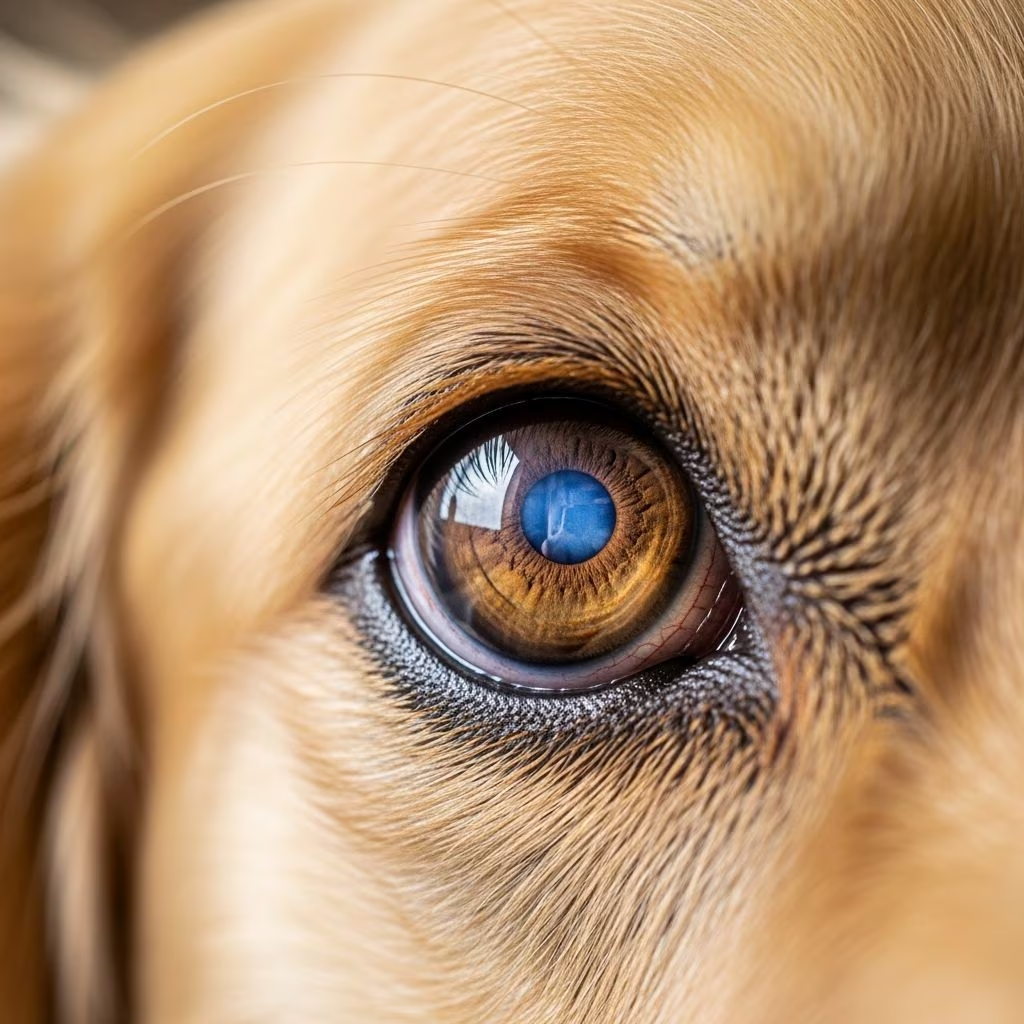
Understanding Cataracts in Dogs
Cataracts are a common eye condition that affects dogs of various ages and breeds. A cataract occurs when the lens of the eye becomes cloudy, leading to impaired vision or complete blindness if left untreated. This condition develops gradually in most cases, though the progression speed can vary significantly between individual dogs. Understanding the nature of cataracts, their causes, and available treatment options is essential for dog owners who want to maintain their pet’s quality of life and visual function.
The lens of the eye is normally clear and transparent, allowing light to pass through to the retina where images are formed. When a cataract develops, proteins in the lens aggregate and cause cloudiness. This cloudiness prevents light from reaching the retina properly, resulting in vision impairment. While cataracts are more common in senior dogs, they can develop at any age, including in puppies.
Causes of Cataracts in Dogs
Cataracts in dogs can develop for several different reasons. The most common cause is the natural aging process, which affects the lens composition over time. However, cataracts are not an inevitable part of aging, and not all senior dogs will develop them.
Diabetes mellitus is another significant cause of cataracts in dogs. When blood sugar levels remain elevated, glucose can accumulate in the lens, causing it to swell and become cloudy. Diabetic cataracts often develop rapidly and can lead to blindness relatively quickly if not treated surgically.
Other causes of canine cataracts include genetic predisposition, trauma or injury to the eye, prolonged inflammation within the eye, certain medications, nutritional deficiencies, and exposure to toxic substances. Some dog breeds are genetically predisposed to developing cataracts earlier in life than others.
Recognizing the Symptoms of Cataracts
Early detection of cataracts is important for determining the best course of action. In the initial stages, cataracts may be subtle and difficult for pet owners to notice. However, as the condition progresses, symptoms become increasingly apparent.
Early Stage Signs
In the early stages of cataract development, you may observe behavioral changes related to vision loss. Your dog might show decreased ability to fetch or catch objects, hesitancy to move around unfamiliar environments, or reluctance to navigate stairs or obstacles. These behavioral changes often occur before the cloudiness is visually apparent to the naked eye.
Advanced Stage Signs
As cataracts progress, more noticeable symptoms develop. The most obvious sign is a cloudy or milky-white appearance to the cornea. This cloudiness may appear as a dense white film covering the lens or may create a crystalline, sparkling effect in certain lighting conditions. Advanced cataracts often cause the following observable signs:
- Your dog bumping into objects or hugging walls when walking
- Redness or inflammation around the eye
- Bulging of the eye globe
- Squinting, pawing at the eye, or rubbing the face and head on furniture
- Increased thirst and urination, coupled with unexplained weight loss (in cases of diabetic cataracts)
- Reluctance to move around, particularly in low-light conditions
If you notice any changes in your dog’s eye clarity or color, or if your dog exhibits signs of vision impairment, it is crucial to contact your veterinarian promptly. Early intervention can prevent complications and preserve more of your dog’s vision.
Stages of Cataract Development
Veterinary ophthalmologists classify cataracts into four distinct stages based on their severity and the percentage of the lens affected. Understanding these stages helps determine the urgency of treatment and the likelihood of successful surgical outcomes.
Incipient Cataracts
Incipient cataracts represent the earliest stage, affecting less than 15% of the lens. At this stage, the cloudiness is minimal and typically does not cause noticeable vision problems. Many dogs with incipient cataracts live normally without requiring immediate intervention. However, regular monitoring is essential to track the cataract’s progression.
Immature Cataracts
Immature cataracts involve more than 15% of the lens but do not affect the entire lens. At this stage, some vision remains, though the dog may experience noticeable difficulty with certain visual tasks. The dog’s vision quality is similar to looking through a pane of frosted glass.
Mature Cataracts
Mature cataracts involve the entire lens, and dogs typically cannot see at this stage. The entire lens appears dense and white. This stage significantly impacts the dog’s quality of life and ability to navigate the environment independently. Surgical intervention is usually recommended at this stage to restore vision.
Hypermature Cataracts
Hypermature cataracts represent the most advanced stage. The lens begins to wrinkle and shrink, and the proteins within the lens may leak into the surrounding eye tissue. This stage can cause severe inflammation within the eye (uveitis), which is often painful and can lead to additional complications such as glaucoma. Hypermature cataracts require urgent attention to prevent permanent damage and pain.
Surgical Treatment: Phacoemulsification
Surgery is the only effective treatment for restoring vision in dogs with cataracts. The surgical procedure, called phacoemulsification, is performed by a veterinary ophthalmologist—a specialist trained in surgical procedures of the eye.
How Phacoemulsification Works
During phacoemulsification, a tiny ultrasonic probe is inserted into the eye. This probe emits high-frequency ultrasound waves that break the cloudy lens into small, manageable pieces. These fragmented pieces are then carefully suctioned out of the eye. Once the diseased lens is completely removed, an artificial intraocular lens (IOL) is implanted to replace the natural lens and restore the eye’s focusing ability. The surgical incision is closed with microsurgical stitches.
Candidacy for Surgery
Not every dog with cataracts is a suitable candidate for surgery. Your veterinarian will conduct a thorough evaluation to determine if surgery is appropriate for your dog. Ideal candidates are dogs that are generally healthy, have no other serious eye problems, and can tolerate the necessary post-operative eye drops required to prevent infection and inflammation.
Dogs with other eye conditions such as glaucoma, retinal degeneration, lens luxation, or significant uveitis may not be good surgical candidates. Additionally, dogs with uncontrolled systemic diseases or those unable to comply with post-operative care requirements may not be suitable for the procedure. An ophthalmologist will perform specialized testing, including electroretinography (ERG) to assess retinal function, to ensure the dog’s eye has the capacity to restore functional vision.
Success Rates and Timing
Cataract surgery in dogs has a high success rate, with surgical restoration of vision occurring in up to 90% of cases when the dog is a good candidate. Surgery performed in earlier stages of cataract development typically has better outcomes than surgery on mature or hypermature cataracts. Therefore, pursuing surgical correction sooner rather than later is generally recommended whenever possible.
Cost Considerations
Dog cataract surgery is a specialized procedure that requires advanced equipment and expertise. The cost typically ranges from $2,800 to $4,900 per eye, depending on the complexity of the case, the geographic location, and the specific veterinary facility. Some pet insurance policies may cover a portion of cataract surgery costs, so it is worth reviewing your policy or contacting your insurance provider.
Post-Operative Care and Recovery
Successful recovery following cataract surgery requires diligent post-operative care and strict adherence to your veterinarian’s instructions. The immediate post-operative period is critical for ensuring proper healing and preventing complications.
At-Home Care
Following discharge from the surgical facility, at-home care is intensive and requires commitment from the pet owner. Post-operative care typically involves:
- Administering multiple eye drops four to six times daily for several weeks to months
- Giving oral medications as prescribed to manage inflammation and prevent infection
- Using a hard plastic Elizabethan collar (E-collar) to prevent your dog from rubbing or scratching the surgical eye
- Restricting your dog’s physical activity to allow proper healing
- Avoiding swimming and bathing to prevent water from entering the eye
- Keeping the surgical area clean and dry
Follow-Up Examinations
Frequent follow-up examinations are performed during the early post-operative period to monitor healing, assess vision restoration, and adjust medications as needed. Your veterinarian will schedule these appointments at specific intervals—typically weekly or biweekly during the first month. These visits are essential for detecting and addressing any complications early.
Long-Term Management
Even after the eye has healed completely, most dogs require at least one topical medication long-term and routine eye examinations for the rest of their lives. Your veterinarian will establish a maintenance schedule to monitor for any late-occurring complications and ensure optimal eye health.
Managing Cataracts Without Surgery
For dogs who are not surgical candidates or whose owners elect not to pursue surgery, medical management focuses on preventing secondary complications rather than treating the cataract itself.
Anti-Inflammatory Therapy
In dogs with untreated cataracts, particularly mature or hypermature cataracts, anti-inflammatory medications are crucial. Topical corticosteroids or non-steroidal anti-inflammatory eye drops are used to decrease intraocular inflammation. While these medications cannot improve vision or resolve the cataract, they help prevent glaucoma, a painful secondary complication that can develop from chronic intraocular inflammation.
Glaucoma Prevention
Glaucoma is one of the most serious complications of untreated cataracts and does not respond well to medical treatment. In many cases, advanced glaucoma requires removal of the affected eye. For this reason, medical management of cataracts focuses heavily on preventing glaucoma through regular anti-inflammatory therapy and frequent monitoring of intraocular pressure.
Monitoring Schedule
Dogs with untreated cataracts should have their intraocular pressure checked every four to six months to detect early signs of glaucoma. Regular veterinary examinations allow for early intervention if complications arise.
Common Complications of Cataracts
If left untreated or if secondary complications develop, cataracts can lead to several serious eye conditions:
- Glaucoma: Increased intraocular pressure that damages the optic nerve and causes irreversible vision loss and pain
- Uveitis: Inflammation of the uveal tissue within the eye, causing pain, redness, and light sensitivity
- Lens Luxation: Displacement of the lens from its normal position, which is painful and can worsen vision loss
- Phacolytic Uveitis: Inflammation triggered by lens proteins leaking into the eye
Adapting to Vision Loss
If your dog loses vision due to untreated or irreversible cataracts, it is important to know that many dogs adapt remarkably well to blindness in a protected home environment. With some modifications and extra assistance from their owners, blind dogs can maintain an excellent quality of life.
Helpful adaptations include keeping furniture and household items in consistent locations, using verbal cues and tactile guidance, protecting your dog from hazards, and providing extra supervision during outdoor activities. Many blind dogs rely more on their other senses and develop excellent spatial memory within their familiar home environment.
Distinguishing Cataracts from Other Eye Conditions
Nuclear or lenticular sclerosis is an age-related eye condition that can be mistaken for cataracts. Dogs with this condition have cloudy-looking eyes, but their vision is typically not significantly affected as it is with cataracts. A veterinary ophthalmologist can differentiate between these conditions during a thorough eye examination.
Frequently Asked Questions
Q: Can cataracts be prevented in dogs?
A: While age-related cataracts cannot be completely prevented, maintaining optimal health, managing diabetes if present, protecting eyes from trauma, and providing proper nutrition may help delay cataract development. Regular veterinary check-ups allow early detection.
Q: Are natural remedies effective for treating cataracts in dogs?
A: No. There are no proven natural remedies or supplements that can treat or reverse cataracts in dogs. Surgery is the only effective treatment for restoring vision. Some supplements may support overall eye health but cannot cure existing cataracts.
Q: How long does cataract surgery take?
A: Phacoemulsification typically takes 15 to 30 minutes per eye, depending on the cataract’s maturity and any complications. Dogs are under general anesthesia during the procedure.
Q: Can cataracts return after surgery?
A: A true cataract cannot return, as the natural lens has been removed and replaced with an artificial lens. However, posterior capsular opacification (PCO), a haze on the membrane behind the artificial lens, can develop in some dogs and may require laser treatment.
Q: What is the age limit for cataract surgery in dogs?
A: There is no strict age limit. As long as your dog is healthy enough for anesthesia and surgery, age alone is not a contraindication. Older dogs can undergo successful cataract surgery with appropriate pre-operative evaluation.
Q: How long does it take to see vision improvement after surgery?
A: Many dogs show vision improvement within the first few days after surgery. Significant vision restoration typically occurs within two to four weeks as the eye heals and inflammation resolves.
References
- Cataracts in Dogs: Signs, Causes, and Treatment — PetMD. 2024. https://www.petmd.com/dog/conditions/eye/c_dg_cataract
- Cataracts in Dogs — PDSA. 2024. https://www.pdsa.org.uk/pet-help-and-advice/pet-health-hub/conditions/cataracts-in-dogs
- Cataracts in Dogs: Causes, Symptoms, and Treatment — GoodRx. 2024. https://www.goodrx.com/pet-health/dog/cataracts-in-dogs
- Canine Cataracts — Cornell University College of Veterinary Medicine. 2024. https://www.vet.cornell.edu/departments-centers-and-institutes/riney-canine-health-center/canine-health-information/canine-cataracts
- Cataracts in Dogs: Signs, Causes, Diagnosis, and Treatment — Best Friends Animal Society. 2024. https://bestfriends.org/pet-care-resources/cataracts-dogs-signs-causes-diagnosis-and-treatment
- Cataracts in Dogs — SASH Vets. 2024. https://sashvets.com/diseases/cataracts-in-dogs/
- Cataracts in Dogs — VCA Animal Hospitals. 2024. https://vcahospitals.com/know-your-pet/cataracts-in-dogs



