

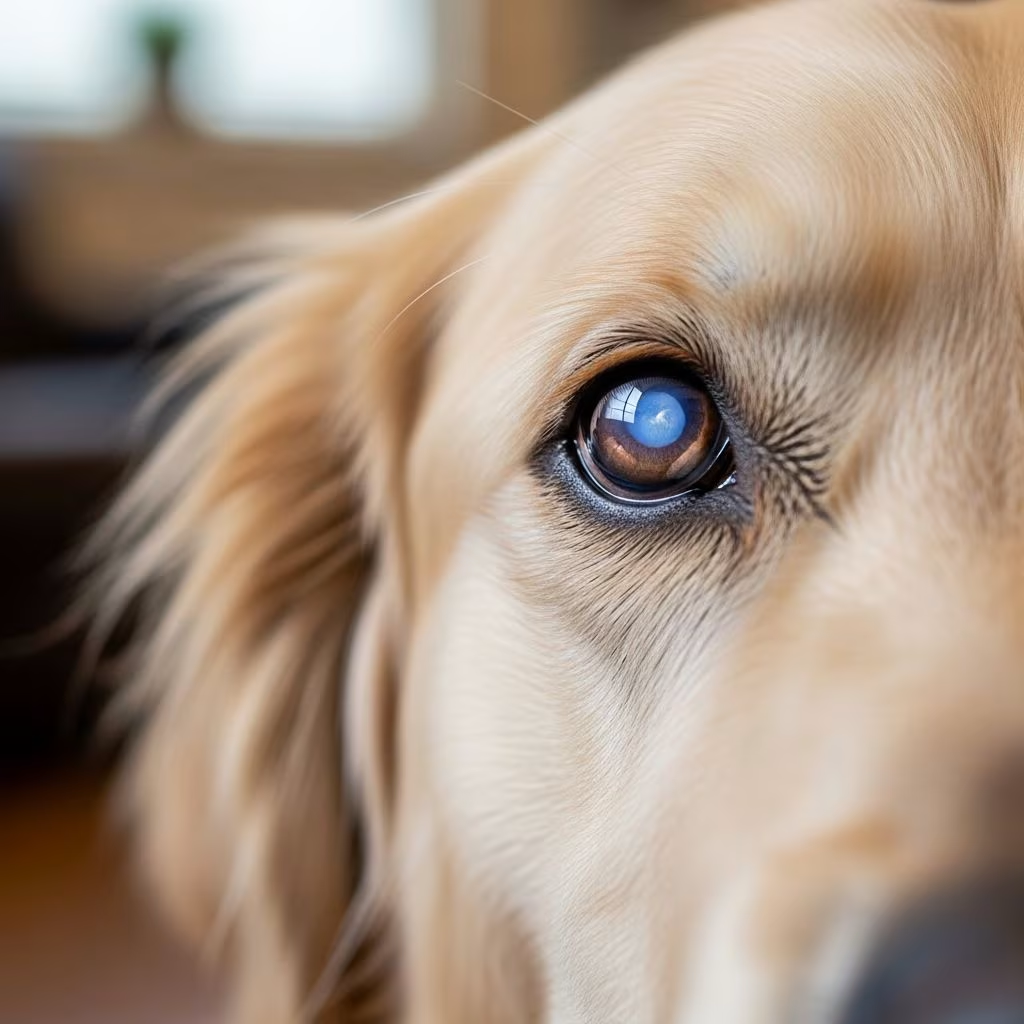
Cataracts represent a prevalent eye disorder in dogs, characterized by the clouding of the lens that impedes light from reaching the retina, potentially leading to partial or complete vision impairment. This condition affects dogs across all ages and breeds, though certain predispositions exist. Early identification and appropriate intervention can significantly enhance a dog’s visual acuity and overall well-being.
Understanding the Canine Eye and Cataract Formation
The eye functions like a sophisticated camera, with the lens playing a pivotal role in focusing light onto the retina for image formation. In cataracts, proteins within the lens aggregate abnormally, creating opacities that scatter light and blur vision. This process can initiate subtly and progress variably depending on underlying factors.
Unlike nuclear sclerosis, a benign age-related haze often mistaken for cataracts, true cataracts actively obstruct vision. Distinguishing between these requires professional evaluation, as the former typically spares sight while the latter demands attention.
Primary Causes Behind Canine Cataracts
Multiple etiologies contribute to cataract development in dogs. Hereditary factors top the list, with specific breeds exhibiting higher susceptibility due to genetic mutations affecting lens integrity.
- Genetic Predisposition: Breeds like Poodles, Labrador Retrievers, and Cocker Spaniels carry inherited risks, often manifesting in young adulthood.
- Diabetes Mellitus: Elevated blood glucose disrupts lens hydration, accelerating opacity formation—nearly all untreated diabetic dogs develop cataracts within a year.
- Trauma and Inflammation: Physical injuries or conditions like uveitis trigger inflammatory cascades that opacify the lens.
- Advanced Age: Senile changes alter lens proteins gradually in dogs over eight years.
- Other Factors: Include nutritional shortfalls, hypocalcemia, radiation exposure, and toxins.
Recognizing the Signs of Cataracts Early
Owners often first notice a milky or bluish haze in one or both eyes, resembling a frosted pane. This opacity prevents the typical ‘red-eye’ reflection in photos and signals lens involvement.
| Stage | Appearance | Vision Impact |
|---|---|---|
| Incipient | Small opacities | Minimal disruption |
| Immature | Partial clouding | Moderate blurring |
| Mature | Full lens coverage | Near-blindness, light perception only |
| Hypermature | Shrunken, wrinkled lens | Blindness with inflammation risk |
Behavioral clues include hesitancy on stairs, collisions with furniture—particularly in dim light—and reluctance to fetch toys. Associated pain from secondary issues like glaucoma may cause squinting, tearing, or pawing at the face. Prompt vet consultation is essential upon observing these.
Diagnostic Approaches for Accurate Assessment
Veterinarians employ ophthalmoscopy to illuminate and magnify the lens, confirming cataract presence and staging. Intraocular pressure measurement rules out glaucoma, while ultrasound evaluates retinal health pre-surgery.
Blood tests screen for diabetes or systemic diseases, guiding holistic management. Referral to a veterinary ophthalmologist ensures specialized diagnostics like electroretinography for retinal viability.
Treatment Options: From Medical Management to Surgery
No medications dissolve established cataracts; surgery remains the sole vision-restoring method. Phacoemulsification emulsifies and aspirates the opaque lens, often implanting an artificial intraocular lens (IOL) to mimic natural focusing.
Success rates exceed 90% in healthy candidates, with most regaining functional vision post-recovery. Contraindications include uncontrolled diabetes, retinal degeneration, or severe glaucoma.
- Pre-Op Preparation: Stabilize blood sugar, control inflammation with drops.
- Procedure: Outpatient, under general anesthesia; 30-60 minutes per eye.
- Post-Op Care: E-collar, medicated drops, activity restriction for weeks.
For non-surgical cases, anti-inflammatory drops mitigate lens-induced uveitis and glaucoma risks. Blind dogs adapt remarkably via enhanced senses, but environmental modifications aid navigation.
Preventive Strategies and Risk Reduction
While genetics defy prevention, diabetes control via insulin therapy and diet delays onset. Routine eye exams for at-risk breeds facilitate early intervention. Antioxidants show promise in research for slowing progression, warranting vet discussion.
UV-protective eyewear benefits outdoor dogs, and trauma avoidance through supervision preserves lens clarity.
Life with Vision-Impaired Dogs: Adaptation Tips
Dogs compensate adeptly for sight loss using smell and hearing. Maintain consistent furniture layouts, use verbal cues, and scent-mark paths with treats. Elevated food bowls and textured mats enhance safety.
Enrichment via auditory toys and gentle grooming fosters confidence. Regular health checks monitor secondary complications.
Frequently Asked Questions (FAQs)
Can cataracts in dogs resolve without surgery?
No, cataracts do not regress naturally. Surgery is the only curative approach.
Is cataract surgery safe for older dogs?
Yes, if overall health is good; age alone isn’t a barrier.
How quickly do diabetic cataracts progress?
Rapidly, often causing blindness within days to weeks without glycemic control.
Will my dog be in pain from cataracts?
Cataracts themselves are painless, but complications like glaucoma cause discomfort.
Can nuclear sclerosis be treated?
No treatment needed; it’s harmless unlike cataracts.
Choosing the Right Veterinary Specialist
Board-certified veterinary ophthalmologists offer expertise in complex cases. ACVO.org directories aid selection. Pre-surgical consultations outline risks, costs (typically $3,000-$4,000 per eye), and outcomes.
Post-op, adherence to protocols minimizes rejection or infection risks, ensuring optimal recovery.
References
- Cataracts in dogs – PDSA — PDSA. 2023. https://www.pdsa.org.uk/pet-help-and-advice/pet-health-hub/conditions/cataracts-in-dogs
- Cataracts in Dogs: Signs, Causes, and Treatment – PetMD — PetMD. 2024-01-15. https://www.petmd.com/dog/conditions/eye/c_dg_cataract
- Cataracts in Dogs: Causes, Symptoms, and Treatment – GoodRx — GoodRx. 2024. https://www.goodrx.com/pet-health/dog/cataracts-in-dogs
- Cataracts in Dogs: Signs, Causes, Diagnosis, and Treatment — Best Friends Animal Society. 2023. https://bestfriends.org/pet-care-resources/cataracts-dogs-signs-causes-diagnosis-and-treatment
- Cataracts In Dogs | Causes, Symptoms & Treatment — Emergency Vet. 2023. https://www.emergencyvet.com.au/resource-centre/diseases-conditions/cataracts-in-dogs.html
- Cataracts in Dogs – VCA Animal Hospitals — VCA. 2024. https://vcahospitals.com/know-your-pet/cataracts-in-dogs



