

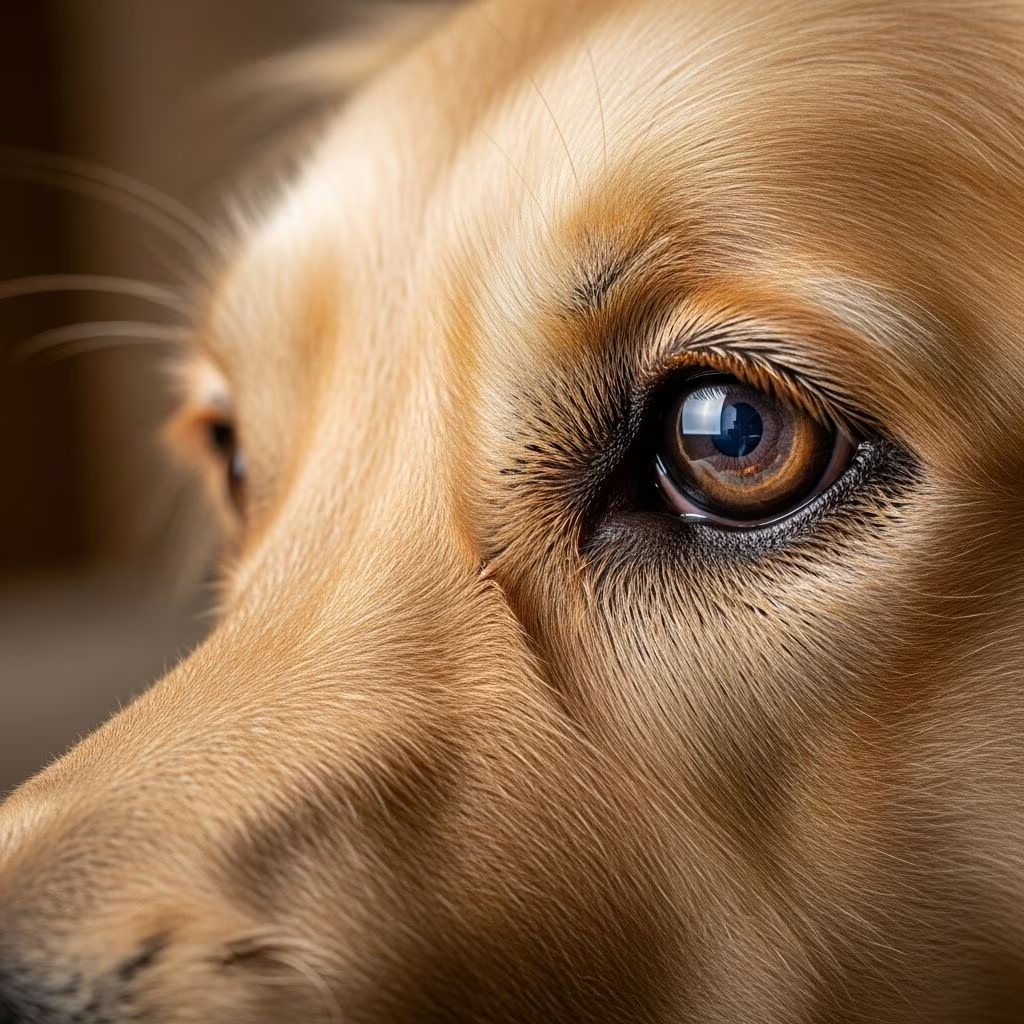
Understanding Cataracts in Dogs
Cataracts are a common eye condition that affects many dogs throughout their lives. A cataract occurs when the lens of the eye becomes cloudy, preventing light from reaching the retina and causing vision impairment or blindness. This clouding develops due to changes in the water balance within the lens or alterations to the proteins that compose the lens structure. Understanding cataracts is crucial for dog owners, as early detection and appropriate treatment can significantly improve your pet’s quality of life and preserve their vision.
What is a Cataract?
The lens is a vital component of your dog’s eye, responsible for focusing light onto the retina to create clear images. When a cataract develops, the lens becomes opaque or cloudy, resembling a white disk behind the iris. A mature cataract causes the black part of the eye that normally appears dark to look white instead. This cloudiness prevents light from passing through the lens properly, which is why dogs with cataracts experience vision problems. Unlike nuclear sclerosis, which is a normal age-related haziness that still allows light to pass through the lens, cataracts significantly obstruct vision and require medical attention.
Causes of Cataracts in Dogs
Cataracts develop for various reasons, and understanding the underlying causes can help you take preventive measures and recognize risk factors in your own dog.
Hereditary and Genetic Factors
The most common cause of cataracts in dogs is hereditary or genetic disease. Many dog breeds are predisposed to developing cataracts due to their genetic makeup. Hereditary cataracts often appear in younger dogs, typically between 1 and 5 years old, though some breeds may develop them earlier or later depending on their specific genetic predisposition. If your dog has hereditary cataracts, breeding should be avoided to prevent passing this condition to future generations.
Diabetes Mellitus
Diabetes is another significant cause of cataracts in dogs. In fact, almost all diabetic dogs develop cataracts within a year of diagnosis. High blood sugar levels alter the water balance within the lens, causing rapid cataract formation. Diabetic cataracts develop quickly and are particularly concerning because they can cause complete vision loss within a day or two of symptom onset. Dogs with diabetic cataracts may also exhibit increased thirst, increased urination, and unexplained weight loss. Early management of diabetes through proper treatment and monitoring can help delay cataract formation, and veterinarians may recommend oral antioxidants to slow progression.
Age-Related Cataracts
As dogs age, particularly those 8 years and older, they become more susceptible to developing cataracts. Age-related cataracts occur due to natural changes in the fibers and proteins within the lens as part of the normal aging process. The good news is that age-related cataracts typically develop slowly, allowing most dogs to adapt gradually to changes in their vision.
Other Contributing Causes
Several other factors can lead to cataract development in dogs. Eye injuries, even minor ones, can cause inflammation within the eye that results in cataracts. Underlying eye diseases such as glaucoma, lens luxation, uveitis (inflammation inside the eye), and progressive retinal atrophy can also contribute to cataract formation. Additionally, low blood calcium levels (hypocalcemia or hypoparathyroidism), exposure to UV light, radiation, toxic substances, and nutritional deficiencies may cause cataracts in some dogs. Trauma such as electric shock can also trigger cataract development.
Recognizing Symptoms of Cataracts
Early detection of cataracts is essential for preserving your dog’s vision and preventing secondary complications. Being aware of the signs allows you to seek veterinary care promptly.
Visual Changes
The most obvious sign of cataracts in dogs is a cloudy or milky-white appearance to the cornea. This cloudiness may appear at certain angles or under specific lighting conditions and sometimes has a crystalline or sparkling effect. Some cataracts appear blue or grey rather than white. As cataracts progress, your dog’s vision diminishes, similar to looking through frosted glass, and can eventually lead to complete blindness.
Behavioral Signs
Dogs with cataracts often exhibit behavioral changes related to their diminished vision. You may notice your dog bumping into objects, hugging walls when walking, or showing hesitation in unfamiliar environments. Your dog might squint, paw at their eyes, or rub their face and head on the floor or furniture. Some dogs become more cautious in their movements or show anxiety when navigating spaces, particularly in low-light conditions where their vision is further compromised.
Physical Signs
Beyond the visible cloudiness in the eyes, cataracts can cause other physical manifestations. You may notice inflammation in or around your dog’s eye, often described as ‘red eye.’ In some cases, the eye globe may appear bulging or protruding. Additionally, if your dog’s cataracts are secondary to diabetes, you may observe systemic signs including increased thirst, excessive urination, and unexplained weight loss.
When to Contact Your Veterinarian
You should always contact your veterinarian if you notice any changes in your dog’s eye color, clarity, or appearance. Don’t delay seeking professional advice if your dog shows signs of illness or any of the symptoms mentioned above. Early veterinary intervention can make a significant difference in treatment outcomes.
Diagnosis of Canine Cataracts
Proper diagnosis is crucial for determining the best course of treatment and identifying any underlying conditions contributing to cataract development.
Veterinary Examination
Your veterinarian will perform a comprehensive eye examination to diagnose cataracts. They use specialized instruments, including an ophthalmoscope, which allows them to examine the internal structures of the eye and assess the extent of the cataract. During the examination, your vet will evaluate the overall health of both eyes and determine whether the cataract is affecting one or both eyes.
Distinguishing Cataracts from Nuclear Sclerosis
It’s important to note that many pet owners confuse cataracts with nuclear sclerosis. Nuclear sclerosis is a normal age-related haziness caused by the hardening of the lens as dogs get older, and all animals experience this change with age. Unlike cataracts, light can still pass through the lens with nuclear sclerosis, so your dog can continue to see, though perhaps not as clearly as when younger. Your veterinarian can distinguish between these conditions during examination.
Comprehensive Health Assessment
To ensure the best outcomes, veterinarians evaluate not only the eyes but also your dog’s overall health. Any underlying diseases such as skin infections, dental disease, or metabolic conditions should be identified and treated prior to cataract surgery, if surgery is recommended.
Treatment Options for Canine Cataracts
While there is currently no proven medical treatment to reverse cataracts, several management strategies and surgical options are available to help preserve or restore your dog’s vision.
Medical Management
Although no eye drops or drugs can reverse cataract formation, medical treatments can help manage complications. For untreated cataracts, particularly mature ones, veterinarians may prescribe corticosteroids or non-steroidal anti-inflammatory eye drops to decrease inflammation within the eye. While these medications don’t affect the cataract itself, they help prevent secondary glaucoma, a painful complication that can occur when proteins from the cataract are released into the eye, causing inflammation that clogs fluid outflow and increases eye pressure.
Surgical Treatment
Surgery is currently the only effective way to correct cataracts and restore vision. The surgical procedure, called phacoemulsification, involves breaking down the cloudy lens, removing it, and replacing it with an artificial intraocular lens. This procedure is highly effective in restoring sight for dogs that are suitable candidates.
Surgical Candidacy
Not all dogs are good candidates for cataract surgery. A veterinary ophthalmologist must assess your dog’s suitability for the procedure. Dogs with other eye conditions such as glaucoma, retinal degeneration, or damaged retinas may not be suitable for surgery, as these conditions could make the outcome unsuccessful. Additionally, any inflammation, existing eye disease, or retinal problems must be evaluated before proceeding with surgery.
Prevention and Management
While some causes of cataracts, such as genetic factors, cannot be prevented, certain measures can help reduce the risk or slow progression.
Managing Underlying Conditions
If your dog has diabetes, maintaining optimal blood sugar control through proper medication, diet, and monitoring can help delay cataract formation and may prevent the rapid development associated with diabetic cataracts. Regular veterinary check-ups help catch metabolic issues early before they lead to cataract development.
Protective Measures
Protecting your dog’s eyes from trauma and injury is important for preventing cataracts. Limit exposure to UV light by using dog sunglasses during extended outdoor activities in sunny conditions. Avoid exposing your dog to radiation, toxic substances, and harsh chemicals that could damage the eyes.
Nutritional Considerations
Proper nutrition supports eye health and may help prevent some forms of cataracts. Ensure your dog receives a balanced diet with appropriate antioxidants and nutrients. In some cases, veterinarians may recommend specific nutritional supplements to support eye health, particularly for dogs at high risk of developing cataracts.
Living with Cataracts
Many dogs cope very well with cataracts, especially if they develop slowly, allowing time for adaptation. Dogs have excellent senses of smell and hearing that compensate for vision loss. Creating a safe home environment with consistent furniture placement, using night lights, and providing extra supervision helps dogs with vision impairment navigate safely. Most dogs adapt remarkably well to gradual vision changes and maintain good quality of life even with cataracts.
Frequently Asked Questions About Dog Cataracts
Q: Can cataracts be prevented in dogs?
A: While some causes like genetic predisposition cannot be prevented, you can reduce risk by managing diabetes, protecting eyes from trauma, limiting UV exposure, and ensuring proper nutrition. Breeding dogs with hereditary cataracts should be avoided.
Q: How quickly do cataracts develop in dogs?
A: Development speed varies depending on the cause. Age-related cataracts develop slowly, while diabetic cataracts can develop rapidly, sometimes causing vision loss within days. Hereditary cataracts develop at varying rates depending on the breed and individual dog.
Q: Is cataract surgery safe for older dogs?
A: Age alone is not a contraindication for cataract surgery. What matters is your dog’s overall health status. Your veterinarian and ophthalmologist will assess whether your senior dog is a good surgical candidate based on their complete health profile.
Q: Can cataracts return after surgery?
A: Cataracts themselves do not return after successful surgical removal of the lens. However, the remaining eye tissue may develop cloudiness over time in some cases, though this is usually manageable.
Q: What should I do if my dog has cataracts in only one eye?
A: Even with one affected eye, your dog may experience significant vision problems. Consult your veterinarian to determine if treatment is necessary and whether your dog would benefit from surgery.
Q: Are there any alternatives to surgery for treating cataracts?
A: Currently, surgery is the only effective treatment to remove cataracts and restore vision. Medical management focuses on preventing complications like glaucoma rather than treating the cataract itself.
References
- Cataracts in Dogs: Signs, Causes, Diagnosis, and Treatment — Best Friends Animal Society. 2024. https://bestfriends.org/pet-care-resources/cataracts-dogs-signs-causes-diagnosis-and-treatment
- Cataracts in Dogs — People’s Dispensary for Sick Animals (PDSA). July 2024. https://www.pdsa.org.uk/pet-help-and-advice/pet-health-hub/conditions/cataracts-in-dogs
- Treatment for Cataracts in Dogs — SASH Vets. https://sashvets.com/diseases/cataracts-in-dogs/
- Cataracts in Dogs: Signs, Causes, and Treatment — PetMD. https://www.petmd.com/dog/conditions/eye/c_dg_cataract
- Cataracts in Dogs — VCA Animal Hospitals. https://vcahospitals.com/know-your-pet/cataracts-in-dogs
- Canine Cataracts — Cornell University College of Veterinary Medicine, Riney Canine Health Center. https://www.vet.cornell.edu/departments-centers-and-institutes/riney-canine-health-center/canine-health-information/canine-cataracts



