Cataracts in Dogs and Cats: Causes, Symptoms & Treatment
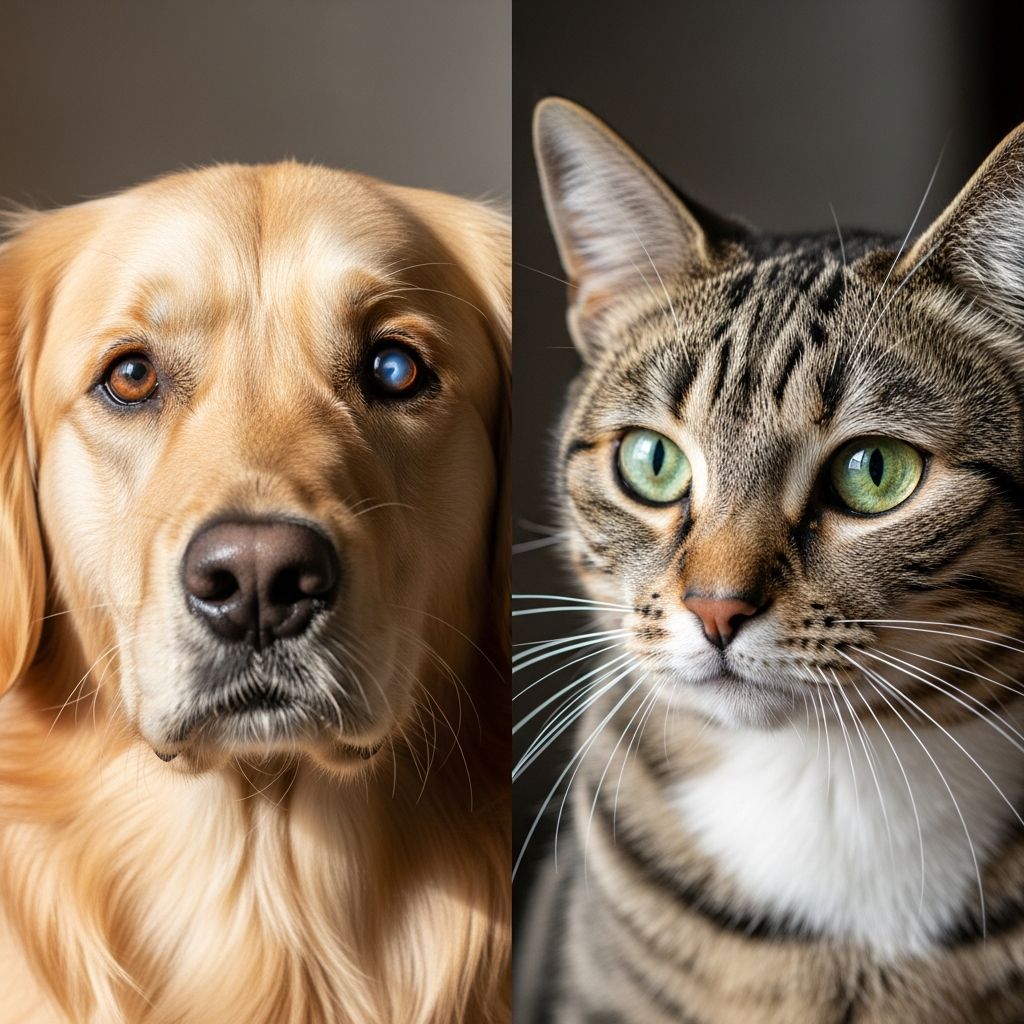
Cataracts in Dogs and Cats: A Complete Guide to Understanding and Managing This Common Eye Condition
Cataracts represent one of the most prevalent eye conditions affecting both dogs and cats, potentially impacting their vision and quality of life significantly. A cataract occurs when the eye’s lens becomes cloudy, preventing light from passing through clearly to the retina. This cloudiness develops gradually in many cases, though the progression varies depending on the underlying cause and individual pet factors. Understanding cataracts is essential for pet owners who want to protect their companions’ vision and take proactive steps toward early detection and treatment.
What Are Cataracts?
A cataract is a progressive opacity that forms on the lens of the eye, interfering with normal light transmission and visual processing. The lens, which should remain clear throughout a pet’s life, becomes clouded due to changes in lens proteins and water content. This clouding can range from minimal (affecting only a small portion of the lens) to complete (covering the entire lens and causing blindness). Unlike some human eye conditions, cataracts in pets typically develop over time, though certain causes can accelerate their formation dramatically.
The severity of vision impairment depends on the location and extent of the cataract. A pet looking through a cataract experiences vision similar to looking through frosted glass—blurred and obscured. Even small cataracts can diminish vision, and if left untreated, they inevitably progress to complete blindness.
Recognizing Cataract Symptoms in Your Pet
Early identification of cataracts allows for timely intervention and better outcomes. Pet owners should watch for these key indicators:
Visual Signs
The most obvious symptom of cataracts is a noticeable change in eye appearance. Many owners first observe a cloudy, whitish, or bluish haze covering part or all of the eye’s surface. This cloudiness may sparkle at certain angles or in specific lighting conditions, creating a crystalline effect. The affected eye may appear milky-white or develop a frosted appearance distinct from the pet’s normal eye color.
Behavioral Changes
Beyond physical eye changes, behavioral modifications often signal vision problems. Pets with cataracts frequently experience difficulty navigating familiar environments, bumping into furniture or door frames, and demonstrating reluctance to move around—particularly in low-light conditions. Many affected pets show increased caution when moving, placing their paws carefully and moving more slowly than usual. Some cats and dogs refuse to jump or climb stairs due to depth perception challenges.
Signs of Discomfort
While cataracts themselves are not painful, secondary complications can cause discomfort. Watch for excessive squinting, eye rubbing, tearing, or discharge. These signs may indicate inflammation or secondary conditions like glaucoma or uveitis, which require immediate veterinary attention.
Understanding the Causes of Cataracts
Cataracts develop through multiple pathways, and understanding the underlying causes helps with prevention and management strategies.
Age-Related Cataracts
Aging represents one of the most common causes of cataracts in both dogs and cats. As pets enter their senior years, lens proteins naturally accumulate and deteriorate, leading to cloudiness. Age-related cataracts typically develop slowly and symmetrically in both eyes, though they may progress at different rates.
Diabetes
Diabetes mellitus significantly increases cataract risk in dogs and cats. High blood sugar levels cause glucose to accumulate in the lens, leading to swelling and cloudiness. Notably, diabetic cataracts can develop rapidly—sometimes within weeks—and may affect one or both eyes. However, careful management of diabetes through diet and insulin therapy can slow progression or even reverse early-stage diabetic cataracts.
Genetic and Hereditary Factors
Certain dog breeds have genetic predispositions to cataracts, including Poodles, Cocker Spaniels, Siberian Huskies, and Boston Terriers. Cats, particularly those with specific genetic backgrounds, may also inherit susceptibility to cataract formation. Breeders often screen parent animals for hereditary cataracts to reduce prevalence in offspring.
Eye Trauma and Injury
Direct trauma to the eye can damage the lens, initiating cataract formation. Scratches, penetrating injuries, or blunt force trauma may cause immediate cloudiness or trigger gradual cataract development over months or years following the injury.
Inflammation and Infection
Chronic inflammation within the eye (uveitis) increases cataract risk. Infections, immune-mediated conditions, and other inflammatory eye diseases can damage lens tissue and accelerate opacity development.
Other Contributing Factors
Nutritional deficiencies, particularly those affecting antioxidant status, may contribute to cataract development. Certain medications and environmental factors may also play roles in cataract formation in susceptible individuals.
Diagnosing Cataracts in Your Pet
Proper diagnosis requires professional veterinary evaluation using specialized equipment and techniques. During examination, your veterinarian will:
Take a detailed history including onset of vision changes, progression speed, medical conditions, and medication use. This context helps identify underlying causes.
Perform physical examination using a bright light source and magnifying lens to visualize the eye structures, assess cataract location and severity, and check for secondary complications like inflammation, glaucoma, or lens luxation.
Conduct specialized testing when indicated. Blood work, including glucose levels and biochemistry profiles, helps identify diabetes or other systemic diseases contributing to cataracts. Urinalysis provides additional diagnostic information. Intraocular pressure measurement screens for glaucoma, a serious complication of cataracts.
Refer to specialists when needed. If your veterinarian suspects complicated cases or recommends surgery, referral to a board-certified veterinary ophthalmologist ensures comprehensive evaluation and specialized care.
Treatment Options for Cataracts
Medical Management
Unfortunately, no medications can dissolve existing cataracts or reverse their formation once they develop. However, medical management focuses on preventing complications and managing underlying conditions:
For diabetic cataracts, strict blood sugar control through appropriate diet and insulin therapy can prevent progression and potentially improve early-stage cloudiness. Eye drops containing anti-inflammatory medications (corticosteroids or non-steroidal anti-inflammatory drugs) help reduce intraocular inflammation and decrease glaucoma risk in untreated cataracts. These medications don’t affect the cataract itself but provide important symptom management.
Surgical Treatment
Surgery represents the only definitive treatment for cataracts and offers the best chance for vision restoration. The primary surgical technique is phacoemulsification, performed by veterinary ophthalmologists. This minimally invasive procedure uses ultrasonic sound waves to break down the cataract lens into tiny fragments, which are simultaneously removed through suction. A small incision (typically 2-3mm) allows insertion of the phacoemulsification probe, making this approach less traumatic than older lens removal techniques.
Following cataract removal, artificial intraocular lens (IOL) implantation is strongly recommended. Without an artificial lens, pets experience significant refractive error and difficulty focusing. The IOL restores near-normal vision and allows proper accommodation. Success rates for phacoemulsification surgery exceed 90-95%, with most dogs and cats experiencing dramatic vision improvement.
Pre-Surgery Evaluation
Before cataract surgery, comprehensive health assessment ensures candidacy and predicts surgical success. Evaluations include complete ophthalmologic examination, assessment of the retina’s ability to receive images (crucial for success), general physical examination, blood work, and urinalysis. Any underlying conditions like skin disease, dental disease, or infections require treatment before surgery. Pets with significant eye inflammation may not be suitable surgical candidates until inflammation resolves.
Recovery and Post-Operative Care
Successful cataract surgery requires diligent post-operative care during the critical healing period.
Immediate Post-Surgery
Most pets remain hospitalized for 2-3 days following surgery, allowing veterinarians to monitor initial healing, perform postoperative examinations, and ensure proper eye care. During this period, frequent eye drops and examinations assess healing progress and identify any complications.
At-Home Recovery
Once discharged, pets require strict activity restriction to prevent self-trauma. A recovery cone (Elizabethan collar) or inflatable cone prevents scratching and rubbing the surgical eye. These protective devices must remain in place consistently throughout recovery, which typically lasts 2-4 weeks.
Medication administration is critical for success. Pet owners must apply prescribed eye drops at least 2-4 times daily (sometimes more frequently initially) for several weeks. Medications typically include antibiotics to prevent infection, anti-inflammatory agents to reduce inflammation, and pain relievers for comfort. Following the veterinarian’s specific schedule and technique ensures optimal drug delivery and healing.
Activity Management
During recovery, pets should avoid jumping, running, playing, and excessive activity. Short, controlled leashed walks on level ground provide necessary bathroom breaks without excessive exertion. Swimming and exposure to dirt, dust, or irritants should be avoided until complete healing occurs.
Follow-Up Examinations
Scheduled follow-up visits monitor healing, assess vision improvement, and address any complications. These typically occur within 1-2 weeks post-surgery and again at 6-8 weeks. Vision improvement often becomes apparent within days or weeks, with maximal improvement typically achieved within 2-3 months.
Preventing and Managing Cataracts
Preventative Strategies
While some cataracts are inevitable due to age or genetics, several preventative measures reduce risk or delay onset:
Regular veterinary check-ups allow early detection of cataracts and underlying conditions. Annual examinations for younger pets and twice-yearly visits for seniors enable timely intervention before significant vision loss occurs.
Nutritional support through balanced diets rich in antioxidants, vitamins A and E, and essential fatty acids supports eye health. Specialized diets may be recommended for pets with cataract risk factors.
Disease management particularly for diabetes, prevents progression of diet-related cataracts. Strict glucose control through appropriate food and medication dramatically impacts cataract outcomes.
Eye protection from trauma prevents injury-induced cataracts. Supervised play, prevention of fights, and protection from environmental hazards reduce injury risk.
Reducing inflammation through management of chronic eye infections or inflammatory conditions prevents secondary cataract development.
Quality of Life with Untreated Cataracts
While cataracts aren’t painful, they do impact quality of life through vision loss. Fortunately, cats and dogs typically adjust remarkably well to blindness, using other senses to navigate and interact with their environment. However, vision restoration through surgery dramatically improves daily life and pet engagement.
Complications Associated with Cataracts
While cataracts themselves cause progressive vision loss, several secondary complications can develop:
Lens-induced uveitis occurs when cataract proteins leak into the eye, triggering inflammation. This causes pain, redness, and excessive tearing.
Glaucoma, elevated intraocular pressure, represents a serious complication potentially causing permanent blindness. This painful condition requires aggressive treatment and often necessitates surgical removal of the affected eye if medical management fails.
Lens luxation, displacement of the lens from its normal position, may occur with cataracts and causes acute pain and vision loss requiring emergency treatment.
These complications underscore the importance of regular monitoring and timely surgical intervention when recommended.
FAQs About Cataracts in Pets
Q: Can cataracts be prevented entirely?
A: While hereditary and age-related cataracts cannot be completely prevented, maintaining good overall health, managing underlying diseases like diabetes, protecting eyes from trauma, and providing appropriate nutrition can reduce risk and delay onset significantly.
Q: How quickly do cataracts progress?
A: Progression varies widely. Age-related cataracts develop slowly over months or years, while diabetic cataracts can progress rapidly within weeks. Veterinary monitoring helps determine individual progression rates and optimal treatment timing.
Q: What is the success rate for cataract surgery?
A: Phacoemulsification surgery has success rates exceeding 90-95% in restoring vision when performed by qualified veterinary ophthalmologists and appropriate post-operative care is provided.
Q: Can both eyes be surgically treated?
A: Yes, both eyes can be treated surgically, often at the same procedure or in separate sessions. Your ophthalmologist will recommend the optimal approach based on individual circumstances.
Q: Is cataract surgery expensive?
A: Cataract surgery is a significant investment, typically costing $1,000-$3,000 per eye depending on location and complexity. However, the life-changing improvement in quality of life and extended years of independence often justify the expense.
Q: Can cataracts return after surgery?
A: While the original cataract cannot return, some pets develop posterior capsular opacification (clouding behind the implanted lens) weeks or months after surgery. This can sometimes be addressed with laser treatment.
References
- Understanding Cataracts in Dogs and Cats: Symptoms, Causes, and Treatments — Sandy Paws Veterinary Hospital. 2024. https://www.sandypawsvets.com/blog/understanding-cataracts-in-dogs-and-cats-symptoms-causes-and-treatments
- Cataracts in Cats — VCA Animal Hospitals. 2024. https://vcahospitals.com/know-your-pet/cataracts-in-cats
- Cataracts in Dogs: Causes, Symptoms, & Treatment — Pumpkin Pet Insurance. 2024. https://www.pumpkin.care/post/cataracts-in-dogs
- Cataracts in Dogs: Signs, Causes, and Treatment — PetMD. 2024. https://www.petmd.com/dog/conditions/eye/c_dg_cataract
- Cataracts in Dogs and Cats: Symptoms & Treatment — Embrace Pet Insurance. 2024. https://www.embracepetinsurance.com/health/cataracts
- Cataracts in Dogs and Cats: Symptoms, Treatment, Prevention & More — WebMD Pets. 2024. https://www.webmd.com/pets/dogs/cataracts-dogs
Similar Articles





Read full bio of medha deb