

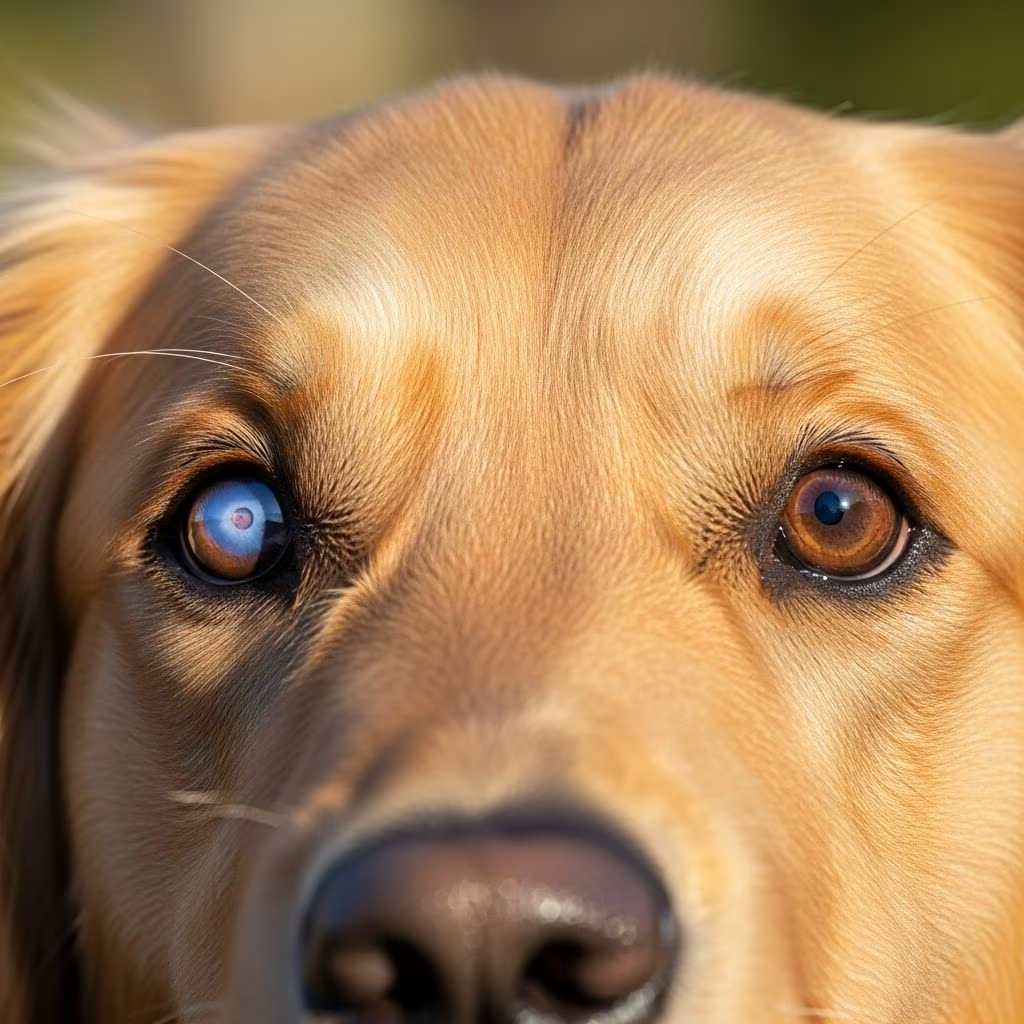
Cataracts represent a prevalent eye condition in dogs where the lens becomes opaque, obstructing light from reaching the retina and impairing vision. This opacity often manifests as a cloudy or milky appearance in the pupil, progressing from subtle haze to complete blindness if untreated. Early detection through routine veterinary exams can significantly improve outcomes, particularly via surgical intervention that restores sight in suitable candidates.
Recognizing the Early Warning Signs
Owners frequently notice the initial indicators of cataracts during everyday interactions. A hallmark symptom is the clouding of the lens, giving the eye a bluish-gray, white, or milky tint, especially visible in bright light. Dogs may hesitate before navigating stairs, collide with furniture, or show reluctance in dim environments, signaling reduced visual acuity akin to peering through frosted glass.
- Cloudy or hazy pupils that alter the eye’s normal black reflection.
- Bumping into objects, particularly in low-light settings.
- Changes in eye shine during flash photography, replaced by a dull white glow.
- Reluctance to catch treats or toys mid-air.
Secondary signs arise from complications like inflammation (uveitis) or elevated eye pressure (glaucoma), including redness, squinting, tearing, or pawing at the face. These demand prompt attention to avert pain and further damage.
Understanding the Pathophysiology of Lens Opacification
The eye’s lens focuses light onto the retina for sharp vision. In cataracts, proteins within the lens aggregate, scattering light and creating opacity. This stems from disruptions in water balance or protein structure, triggered by genetic flaws, metabolic shifts, or external factors. Unlike nuclear sclerosis—a benign age-related haze—cataracts progressively block vision and warrant intervention.
Primary Causes Behind Canine Cataracts
Multiple factors contribute to cataract formation, with heredity topping the list in predisposed breeds like Labrador Retrievers, Poodles, and Cocker Spaniels. Genetic mutations disrupt lens fiber integrity from birth or early life.
Diabetes mellitus accelerates onset dramatically; elevated blood glucose converts to sorbitol in the lens, drawing fluid that swells and opacifies it rapidly—often bilaterally within months of diagnosis.
| Cause | Description | Prevalence |
|---|---|---|
| Hereditary/Genetic | Inherited lens protein defects in breeds like Terriers and Huskies | Most common overall |
| Diabetes | High sugar alters lens hydration; 75-80% of cases within a year | Leading in diabetic dogs |
| Age-Related | Slow lens changes in seniors over 8 years | Common but slower progression |
| Trauma/Inflammation | Injury, uveitis, or electric shock damages lens | Less frequent |
| Nutritional | Deficiencies like low arginine in puppies | Rare, linked to milk replacers |
Other triggers include hypocalcemia, UV exposure, or toxins, though rarer. Breeding affected dogs perpetuates genetic risks, so responsible practices are advised.
Progression Stages: From Incipient to Hypermature
Cataracts evolve through distinct phases, influencing treatment urgency.
- Incipient: <15% lens involvement; pinpoint opacities with minimal vision impact. Monitoring suffices.
- Immature: 15-99% coverage; partial sight loss, variable clarity.
- Mature: Full lens opacity; profound blindness, light perception only.
- Hypermature: Shrinking, wrinkled lens; high risk of uveitis or luxation.
Diabetic cases often skip to mature swiftly, while age-related ones progress gradually, allowing adaptation.
Diagnostic Approaches in Veterinary Practice
Veterinarians employ ophthalmoscopy to magnify the lens, distinguishing cataracts from mimics like corneal edema. Schirmer tear tests, tonometry for pressure, and fluorescein staining rule out ulcers. Ultrasound assesses retinal health pre-surgery, vital as 15-25% of blind dogs retain functional retinas.
Board-certified veterinary ophthalmologists conduct comprehensive exams, including electroretinography for retinal viability. Bloodwork identifies diabetes or systemic issues.
Treatment Pathways: Surgery as the Gold Standard
No drops or medications dissolve cataracts; phacoemulsification—ultrasound fragmentation and aspiration of the lens—offers 80-95% success in vision restoration for healthy candidates. An artificial intraocular lens often replaces the natural one.
Pre-op protocols stabilize diabetes, control inflammation with NSAIDs or steroids, and address infections. Post-op, anti-inflammatory drops, an e-collar, and activity limits prevent complications for weeks. Risks include retinal detachment (5-10%) or glaucoma recurrence.
Non-surgical management suits poor surgical risks: antioxidants may slow progression in diabetics, per research. Blind dogs thrive with environmental consistency, scents, and voice cues.
Preventive Strategies and Risk Mitigation
Genetic screening and avoiding breeding of affected lines curb hereditary cases. Rigorous diabetes control via insulin and diet delays onset; studies explore lanosterol or aldose reductase inhibitors experimentally.
- Maintain stable blood sugar in diabetics.
- Annual eye exams for at-risk breeds.
- Protect eyes from trauma with goggles during play.
- Balanced puppy nutrition avoiding deficient formulas.
Life with Vision-Impaired Dogs: Adaptation Tips
Many dogs adjust remarkably to blindness, using hearing, smell, and memory. Keep layouts fixed, use textured mats for navigation, and employ bells on toys. Caution around traffic or pools remains essential.
Frequently Asked Questions (FAQs)
Can cataracts in dogs be reversed without surgery?
No reliable non-surgical reversal exists; surgery is the sole curative option.
Are cataracts painful for dogs?
Cataracts themselves are painless, but complications like uveitis or glaucoma cause discomfort.
How quickly do diabetic cataracts progress?
Often within days to weeks, leading to rapid blindness.
Is cataract surgery safe for senior dogs?
Viable if overall health is good; age alone isn’t a barrier.
What breeds are most prone to cataracts?
Poodles, Labrador Retrievers, Boston Terriers, and Staffordshire Bull Terriers.
Emerging Research and Future Outlook
Ongoing trials investigate gene therapy for hereditary forms and pharmacological dissolution. Antioxidant supplements show promise in delaying diabetic cataracts, warranting vet consultation.
References
- Cataracts in Dogs: Signs, Causes, and Treatment — PetMD. 2023. https://www.petmd.com/dog/conditions/eye/c_dg_cataract
- Cataracts in dogs — PDSA. 2024. https://www.pdsa.org.uk/pet-help-and-advice/pet-health-hub/conditions/cataracts-in-dogs
- Cataracts in Dogs: Signs, Causes, Diagnosis, and Treatment — Best Friends Animal Society. 2023. https://bestfriends.org/pet-care-resources/cataracts-dogs-signs-causes-diagnosis-and-treatment
- Cataracts in Dogs: What to Know — American Kennel Club. 2024. https://www.akc.org/expert-advice/health/cataracts-in-dogs-what-to-know/
- Cataracts — Animal Eye Center. 2023. https://www.animaleyecenter.com/cataracts
- Cataracts in Dogs: Symptoms, Treatment, Prevention & More — WebMD. 2024. https://www.webmd.com/pets/dogs/cataracts-dogs



