

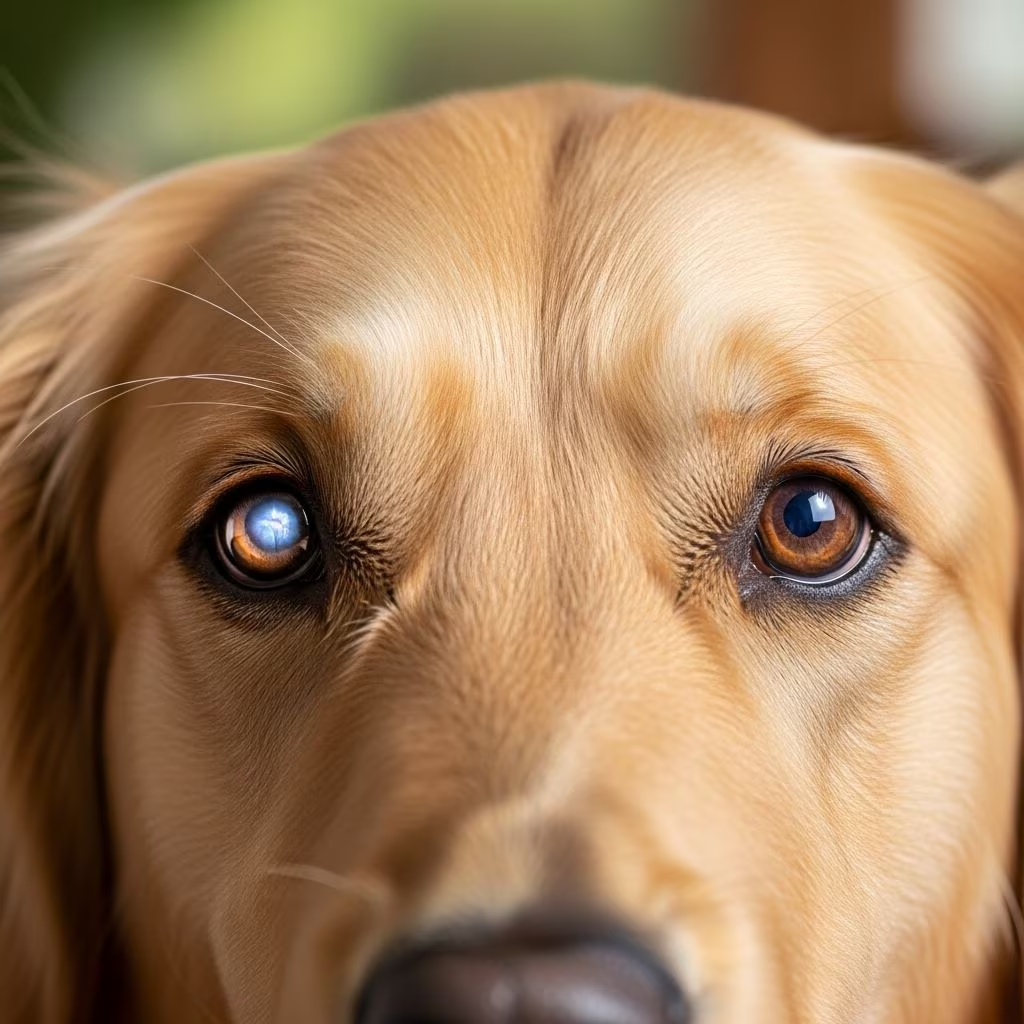
Cataracts in dogs develop when the eye’s lens becomes opaque, obstructing light and impairing vision. This condition affects dogs of all ages and breeds, often leading to partial or complete blindness if untreated.Early detection through routine vet checks is crucial for preserving your dog’s quality of life.
Understanding the Eye’s Lens and How Cataracts Form
The lens in a dog’s eye focuses light onto the retina, enabling clear vision. Cataracts occur due to disruptions in the lens’s protein structure or fluid balance, causing cloudiness that scatters light. Unlike nuclear sclerosis—a benign age-related haze that doesn’t block vision—cataracts progressively worsen, appearing as a white or bluish disk behind the iris.
Immature cataracts affect only part of the lens, allowing some vision. Mature ones cloud the entire lens, causing blindness, while hypermature stages may shrink and wrinkle the lens, risking complications like inflammation.
Common Triggers Behind Canine Cataracts
Several factors contribute to cataract development in dogs. Hereditary predisposition tops the list, striking young dogs aged 1-5 years in breeds like Poodles, Labrador Retrievers, and Cocker Spaniels.
- Diabetes Mellitus: Nearly all diabetic dogs form cataracts within a year, as elevated blood sugar swells the lens rapidly, sometimes blinding pets in days.
- Aging: Older dogs over 8 years experience gradual lens changes, though these progress slower.
- Trauma or Inflammation: Injuries, uveitis, glaucoma, or lens luxation trigger secondary cataracts.
- Other Factors: Rare causes include hypocalcemia, radiation, UV exposure, or toxins.
Managing underlying issues like diabetes can slow progression, with antioxidants showing promise in research.
Spotting the Warning Signs Early
Owners often notice subtle changes before total blindness. A cloudy, milky-white, blue, or gray pupil is the hallmark sign, distinct from the reflective tapetum behind the retina.
| Symptom | Description |
|---|---|
| Cloudy Pupils | White or blue haze in the eye’s center, worsening over time. |
| Vision Impairment | Bumping into walls, hesitation in low light, reluctance to jump. |
| Behavioral Shifts | Anxiety in new spaces, difficulty recognizing family. |
| Secondary Issues | Red eyes, squinting, pawing, discharge, or bulging globes from glaucoma. |
Diabetic cataracts pair with increased thirst, urination, and weight loss. Cataracts aren’t painful initially, but complications like lens-induced glaucoma cause severe discomfort.
Professional Diagnosis: What to Expect at the Vet
Veterinarians use an ophthalmoscope to inspect the lens for cloudiness. Intraocular pressure tests rule out glaucoma, while pupil dilation reveals cataract extent. Fluorescein staining checks for ulcers, and bloodwork identifies diabetes.
Referral to a veterinary ophthalmologist is standard for surgery candidates. Retinal exams ensure viability, as damage elsewhere reduces success odds.
Treatment Pathways: From Monitoring to Surgery
No drops or medications dissolve cataracts; surgery remains the gold standard.
Non-Surgical Options
For small or stable cataracts, regular monitoring suffices. Anti-inflammatory drops prevent uveitis or glaucoma in advanced cases. Diabetic control via insulin delays onset.
Dogs adapt remarkably, navigating by smell and memory, maintaining happy lives without intervention if complications are absent.
Surgical Intervention: Phacoemulsification
This ultrasound-based procedure emulsifies and aspirates the cloudy lens, implanting an artificial one. Over 90% of suitable dogs regain functional vision post-op.
Candidates need healthy eyes and overall fitness; pre-op care treats infections or dental issues. Risks include retinal detachment or persistent inflammation, but skilled surgeons minimize them.
- Pre-Surgery: Fasting, antibiotics, pupil dilation drops.
- Procedure: 30-60 minutes per eye under anesthesia.
- Recovery: E-collar, medicated drops, restricted activity for weeks; follow-ups track healing.
Preventive Measures and Risk Reduction
While genetics can’t be altered, proactive steps help:
- Annual eye exams for at-risk breeds.
- Tight diabetes management with vet-guided diets and monitoring.
- Protect eyes from trauma using goggles during play.
- Limit UV exposure with shaded walks.
Early intervention in inflammation or metabolic issues curbs progression.
Life with Cataracts: Supporting Your Dog’s Daily Needs
Blind dogs thrive with adaptations. Keep furniture static, use verbal cues, and scent-mark paths with treats. Elevated bowls and textured rugs aid navigation.
Monitor for pain signs like whining or face-rubbing, signaling glaucoma needing urgent care. Quality of life remains high; many blind dogs play energetically.
Cost Breakdown and Insurance Considerations
| Treatment Type | Estimated Cost (USD) | Notes |
|---|---|---|
| Initial Diagnosis | 100-300 | Includes exams and tests. |
| Monitoring/Meds | 50-200/month | Ongoing drops and check-ups. |
| Cataract Surgery (per eye) | 2,500-4,000 | Specialist fees included. |
| Post-Op Care | 200-500 | Drops and follow-ups. |
Pet insurance often covers 70-90% if pre-existing conditions are absent. Shop policies emphasizing hereditary coverage.
Frequently Asked Questions (FAQs)
Can cataracts in dogs be reversed without surgery?
No, medications don’t remove cataracts, but surgery restores vision effectively in eligible cases.
Are cataracts painful for dogs?
Not directly, but secondary glaucoma causes significant pain requiring prompt treatment.
How quickly do diabetic cataracts progress?
Very rapidly—often within days of vision changes.
Which breeds are most prone?
Poodles, Terriers, Huskies, and Labs due to genetics.
Can blind dogs live normally?
Yes, they adapt using other senses, enjoying full lives.
Choosing the Right Specialist
Seek board-certified veterinary ophthalmologists via ACVO directories. Experience matters for complex cases like bilateral cataracts or diabetes.
Post-surgery, lifelong anti-inflammatory management may be needed to prevent recurrence risks.
References
- Cataracts in Dogs: Signs, Causes, Diagnosis, and Treatment — Best Friends Animal Society. 2023. https://bestfriends.org/pet-care-resources/cataracts-dogs-signs-causes-diagnosis-and-treatment
- Cataracts in dogs — PDSA. 2024-07. https://www.pdsa.org.uk/pet-help-and-advice/pet-health-hub/conditions/cataracts-in-dogs
- Cataracts in Dogs: Signs, Causes, and Treatment — PetMD. 2024. https://www.petmd.com/dog/conditions/eye/c_dg_cataract
- Symptoms of Cataracts in Dogs and How They Are Treated — Revel Vet. 2024. https://revelvet.com/blog/cataracts-in-dogs/
- Cataracts in Dogs — VCA Animal Hospitals. 2024. https://vcahospitals.com/know-your-pet/cataracts-in-dogs



