

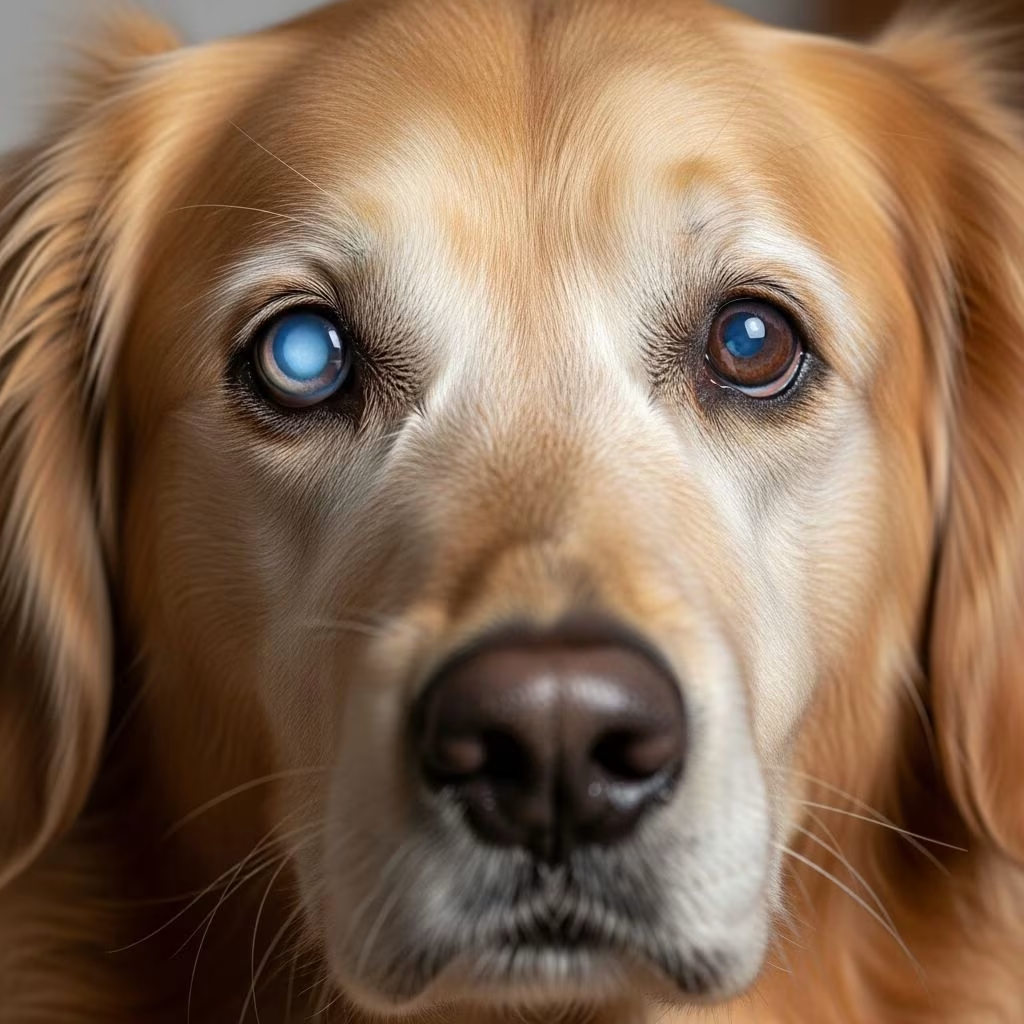
Cataracts represent a prevalent eye disorder in dogs, characterized by lens clouding that obstructs light to the retina, potentially resulting in partial or total vision impairment. This condition affects dogs across various ages and breeds, demanding prompt recognition and management to preserve ocular health.
Understanding the Eye Condition Known as Cataracts
The canine eye lens functions to focus light onto the retina for clear vision. When cataracts develop, proteins within the lens aggregate, creating opaque areas that scatter light and diminish visual acuity. Early-stage cataracts might appear as subtle haziness, progressing to dense white opacities in advanced cases. Unlike nuclear sclerosis—a benign age-related haze—cataracts actively impair sight and may provoke secondary issues like inflammation or elevated eye pressure.
Primary Causes Behind Canine Cataracts
Multiple factors contribute to cataract formation in dogs, with hereditary predisposition topping the list. Genetic mutations passed from parents lead to congenital or juvenile-onset cataracts, evident from birth or emerging in young adulthood. Breeds such as Poodles, Cocker Spaniels, and Retrievers show heightened susceptibility due to these inherited traits.
Diabetes mellitus ranks as the second leading trigger, impacting up to 80% of diabetic dogs within a year of onset. Hyperglycemia disrupts lens hydration, accelerating protein breakdown and swift cataract maturation—often blinding pets in days.
Less frequent etiologies encompass ocular trauma, which fractures lens fibers; uveitis, an inflammatory response damaging lens integrity; and rare toxicities from drugs like ketoconazole. Nutritional deficiencies or advancing age can also play roles, particularly in senior dogs where lens proteins naturally denature.
Recognizing Early Indicators of Vision Decline
Pet owners often spot initial signs through behavioral shifts. A cloudy, bluish-white pupil replaces the typical black appearance, progressing from peripheral flecks to full lens coverage. Affected dogs may hesitate before stairs, collide with furniture, or fixate on misplaced toys, signaling depth perception loss.
- Visible lens opacity, resembling a milky film over the pupil.
- Increased clumsiness or reluctance to navigate familiar spaces.
- Enlarged or hesitant pupils in bright light.
- Eye rubbing, squinting, or redness indicating discomfort.
- Changes in hunting or play, avoiding fast movements.
These manifestations underscore the need for veterinary evaluation, as untreated progression heightens risks of painful complications.[10]
Diagnostic Approaches for Accurate Assessment
Veterinarians employ specialized exams to confirm cataracts and rule out mimics. Ophthalmoscopy reveals lens opacities, while slit-lamp biomicroscopy offers magnified views of cataract maturity—immature (partial clouding), mature (complete opacity), or hypermature (shrunken, brittle lens).
Tonometry measures intraocular pressure to detect glaucoma risks, and fluorescein staining identifies corneal ulcers. Electroretinography assesses retinal function pre-surgery, ensuring viability for intervention. Bloodwork screens for diabetes or systemic issues influencing candidacy.
Available Treatment Pathways
Surgical extraction via phacoemulsification stands as the gold standard, where ultrasound emulsifies the faulty lens, aspirated and supplanted by an artificial intraocular lens (IOL). Board-certified veterinary ophthalmologists execute this under general anesthesia, boasting 80-95% success in vision restoration for suitable patients.
Non-surgical management suits dogs unfit for anesthesia due to comorbidities like cardiac disease. Anti-inflammatory drops (corticosteroids or NSAIDs) curb lens-induced uveitis, while lubricants alleviate dryness. These neither dissolve cataracts nor recover sight but mitigate pain and glaucoma odds—20% of unmanaged cases develop this.
| Approach | Pros | Cons | Ideal Candidates |
|---|---|---|---|
| Surgery (Phacoemulsification) | Restores vision; long-term efficacy | Costly; surgical risks | Healthy eyes, no retina damage |
| Medical Management | Non-invasive; controls inflammation | No vision return; ongoing meds | Elderly, systemic illness |
Preventive Strategies and Risk Mitigation
Breeding affected dogs perpetuates genetics; responsible breeders screen via ocular exams. For diabetics, stringent glucose regulation via insulin, diet, and monitoring delays cataract onset—antioxidants show promise in research. Routine senior wellness checks facilitate early detection, while trauma prevention through protective eyewear during rough play safeguards lenses.
Life with Cataracts: Adaptation and Care Tips
Blind dogs thrive leveraging acute smell, hearing, and spatial memory. Rearrange home layouts gradually, use scent cues on obstacles, and maintain verbal commands for navigation. Avoid abrupt changes; supervised outdoor time with leashes prevents mishaps. Nutritional support with omega-3s bolsters ocular health, though unproven for reversal.
- Keep furniture static to map mental layouts.
- Approach from the front, announcing presence.
- Use textured mats or bells for boundaries.
- Enhance meals with aromatic toppers.
Quality of life remains high; many adapt seamlessly without distress.
Frequently Asked Questions About Canine Cataracts
Can cataracts resolve without surgery?
No, cataracts do not spontaneously regress. Surgery offers the sole vision-restoring avenue; drops manage symptoms only.
Are all cloudy eyes cataracts?
No—nuclear sclerosis causes harmless haze without vision loss. Professional differentiation is essential.
Does diabetes always cause cataracts?
Up to 80% of cases do within a year, but control mitigates risk.
Is cataract surgery painful?
Post-op discomfort is minimal with medications; most recover swiftly.
Can blind dogs live happily?
Yes, their other senses compensate effectively, supporting fulfilling lives.
Long-Term Prognosis and Monitoring
Post-surgical dogs enjoy years of clear vision, monitored biannually for IOL stability or uveitis recurrence. Untreated cases risk glaucoma or phacolytic crises from protein leakage. Proactive care extends comfort, emphasizing that while cataracts challenge, informed ownership ensures robust well-being.
References
- Cataracts in Dogs: Causes, Symptoms, and Treatment — GoodRx. 2023. https://www.goodrx.com/pet-health/dog/cataracts-in-dogs
- Cataracts in Dogs: Signs, Causes, Diagnosis, and Treatment — Best Friends Animal Society. 2023. https://bestfriends.org/pet-care-resources/cataracts-dogs-signs-causes-diagnosis-and-treatment
- Cataracts — Veterinary Eye Institute. 2024. https://www.veterinaryeyeinstitute.com/cataracts/
- Is Your Dog’s Vision Fading? What to Know About Cataracts in Dogs — UVH Vets. 2023. https://uvhvets.com/blog/cataracts-in-dogs/
- Cataracts in Dogs: Signs, Causes, and Treatment — PetMD. 2024. https://www.petmd.com/dog/conditions/eye/c_dg_cataract
- Cataracts in Dogs — VCA Animal Hospitals. 2023. https://vcahospitals.com/know-your-pet/cataracts-in-dogs
- Canine Cataracts — Cornell University College of Veterinary Medicine. 2024. https://www.vet.cornell.edu/departments-centers-and-institutes/riney-canine-health-center/canine-health-topics/canine-cataracts



