

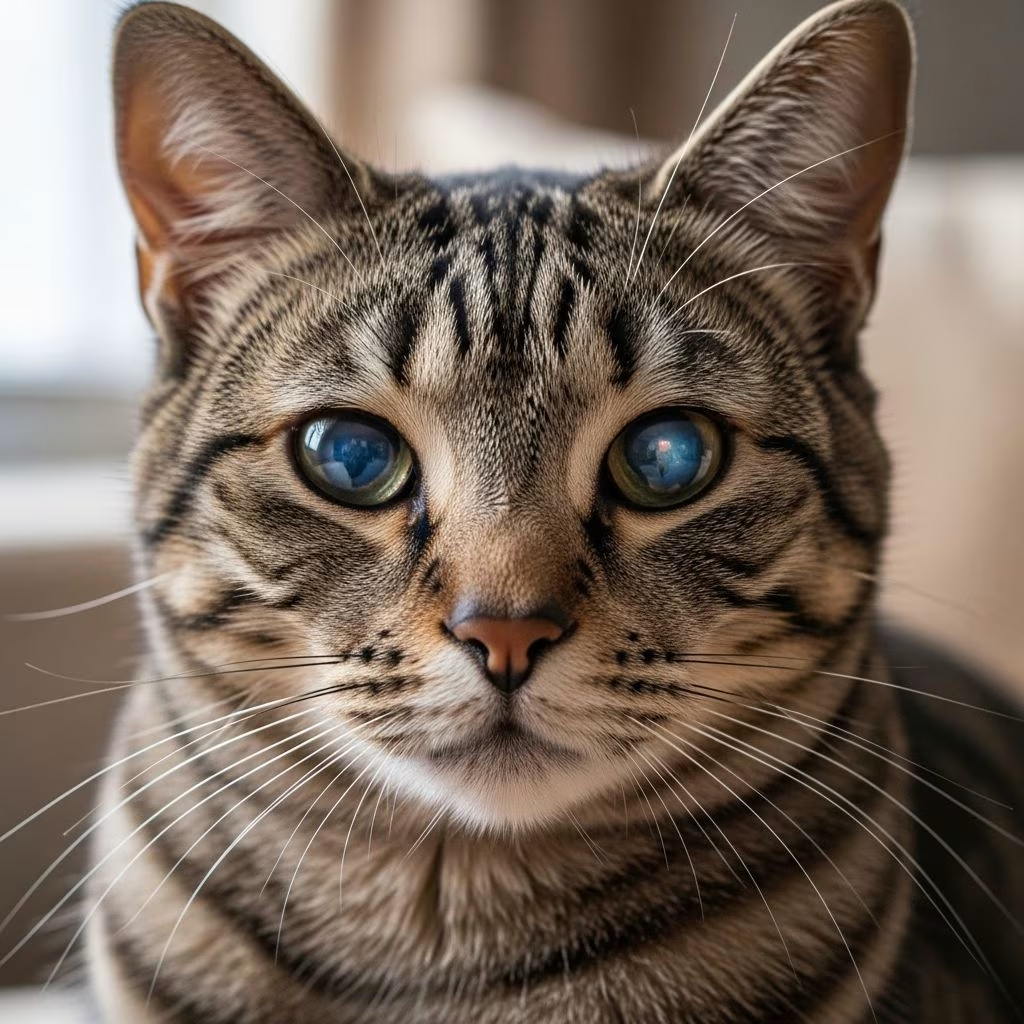
Understanding Cataracts in Cats
Cataracts are a clouding of the lens in a cat’s eye, which can progressively impair vision and potentially lead to blindness if left untreated. While cataracts in cats are relatively uncommon compared to other eye conditions, they represent a serious concern for feline health and quality of life. The condition occurs when the normally clear lens becomes opaque, preventing light from reaching the retina properly. Understanding the causes, recognizing the symptoms, and knowing the available treatment options can help cat owners make informed decisions about their pet’s ocular health. Many cases of feline cataracts can be effectively managed through veterinary intervention, allowing cats to maintain their vision or adjust successfully to vision loss.
What Causes Cataracts in Cats?
Cataracts can develop due to various underlying factors and conditions. Any type of damage to the lens can result in the formation of a cataract. The causes are diverse and can range from inherited genetic factors to environmental influences and systemic diseases.
Common Causes of Feline Cataracts
The most common cause of cataracts in cats is inflammation within the eye, often described as uveitis. This condition results from various underlying disease processes and can lead the body’s immune system to recognize the lens as foreign material, contributing to cataract formation. Uveitis can occur as a consequence of infectious diseases such as feline leukemia virus, feline immunodeficiency virus (FIV), feline infectious peritonitis (FIP), and toxoplasmosis.
Other significant causes of cataracts in cats include:
- Genetic or hereditary factors predisposing certain cats to lens opacity
- Trauma or injury to the eye, including penetrating injuries
- Metabolic diseases such as diabetes or high blood pressure
- Nutritional imbalances, particularly in young kittens
- Radiation exposure
- Cancer
- Viral, bacterial, fungal, or protozoal infections
- Lens dislocation, typically following trauma or inflammation
- Exposure to certain toxic substances or medications
- Electric shock
- Natural aging process in senior cats
In many cases, however, the underlying cause of cataracts remains unidentifiable despite thorough veterinary examination and testing.
Recognizing the Symptoms of Cataracts
The signs of cataracts may develop gradually or appear more suddenly depending on the underlying cause and progression rate. Cat owners should be vigilant about observing behavioral and physical changes in their pets’ eyes and movement patterns.
Visual Signs of Cataracts
The most obvious sign of cataracts is a visible cloudiness or opacity in the lens of the affected eye. The lens may appear white, gray, or blue-tinted rather than the normal clear appearance. This cloudiness may be partial or complete, depending on the cataract’s advancement. In early stages, the cloudiness may only be apparent under certain lighting conditions or during a veterinary examination with specialized equipment.
Behavioral Changes Associated with Vision Loss
As cataracts progress and vision deteriorates, cats often exhibit noticeable behavioral changes. A visually impaired cat may become less agile and hesitant in their movements. They might bump into furniture, walls, or other obstacles, particularly in low-light conditions. Cats with advancing cataracts may be reluctant to jump from heights or navigate stairs, showing signs of fear or uncertainty in their familiar environment. Some cats display increased stress or anxiety as their world becomes progressively less clear. They may spend more time in safe, familiar areas and show reluctance to explore. Indoor cats may become more vocal as they rely on sounds to navigate their environment.
Diagnosing Cataracts in Cats
Proper diagnosis of cataracts involves a comprehensive veterinary examination to assess the extent of the cataracts and identify any underlying causes that may have contributed to their development.
Physical Examination
Your veterinarian will perform a standard physical examination, paying particular attention to the eyes and surrounding structures. They will use specialized diagnostic equipment such as an ophthalmoscope or slit lamp to visualize the lens and detect cloudiness. This examination helps determine the location and extent of the cataract formation.
Medical History
A complete medical history is crucial for identifying potential contributing factors. Your veterinarian will inquire about any previous eye injuries, infections, or medical conditions. Information about behavioral changes, vision problems you’ve observed, and the timeline of symptom development provides valuable diagnostic information. Documentation of any systemic illnesses, medications your cat has received, or exposure to toxic substances helps paint a complete clinical picture.
Diagnostic Testing
Blood tests can reveal metabolic diseases such as diabetes or hypertension that may be responsible for cataract development. A complete blood count and chemistry panel alert your veterinarian to any unusual or out-of-range results. Additional testing may include blood pressure measurements to assess for hypertension and specific antibody or antigen tests if infectious causes are suspected. Ultrasound imaging may be recommended if the cataract is so advanced that the back of the eye cannot be visualized directly.
Treatment Options for Feline Cataracts
The appropriate treatment approach depends on several factors, including the cataract’s stage of development, the underlying cause, the presence of inflammation, and your cat’s overall health status.
Surgical Treatment
The ideal and most effective treatment for cataracts is surgical intervention. This specialized ocular surgery is performed by a veterinary ophthalmologist and involves two main components. First, the cataract is broken down and removed through a process known as phacoemulsification, which uses ultrasonic energy to fragment and aspirate the clouded lens material. Second, the removed natural lens is replaced with an artificial intraocular lens implant. This surgical approach can restore functional vision in many cats, dramatically improving their quality of life. Before proceeding with surgery, your veterinarian will conduct a thorough pre-operative evaluation to ensure your cat is a suitable surgical candidate. This evaluation includes ensuring that inflammation is adequately controlled and that the retina remains functional. Cats with significant pre-existing inflammation within the eye may not be ideal candidates for surgical intervention due to increased complication risks.
Medical Management
For cats where surgery is not an option or is not recommended, medical management focuses on preventing complications rather than reversing the cataract itself. At this time, no medications can dissolve cataracts or slow their progression. However, pharmaceutical interventions are essential for preventing secondary complications. Medications such as corticosteroids or non-steroidal anti-inflammatory eye drops are used to decrease inflammation within the eye. While these medications have no direct effect on the actual cataract, controlling inflammation is critically important because it prevents the development of glaucoma, a serious secondary complication. Glaucoma does not respond well to medical treatment and frequently requires removal of the affected eye, making prevention through anti-inflammatory therapy a priority in feline cataract management.
Managing Underlying Conditions
If underlying disorders such as diabetes or hypertension are responsible for your cat’s cataracts, your veterinarian will focus on treating these specific conditions. Proper management of metabolic diseases can sometimes halt cataract progression and may even result in partial improvement in some cases. Treating infectious causes with appropriate antimicrobial or antiviral therapies may help prevent further cataract development, though existing cataracts typically remain permanent.
Post-Treatment Considerations and Prognosis
The prognosis for cats with cataracts varies depending on the treatment approach chosen and the underlying cause. Cats that undergo successful cataract surgery often experience dramatic improvements in vision and quality of life. However, careful post-operative care and follow-up monitoring are essential to ensure proper healing and detect any complications early.
Adaptation to Vision Loss
Fortunately, cataracts are not painful conditions. Cats that do not undergo surgery or in cases where vision cannot be fully restored typically adjust remarkably well to gradual vision loss or blindness. Felines have excellent non-visual sensory abilities, including heightened hearing, smell, and tactile sensitivity, which allow them to navigate their environment effectively. Indoor cats with vision loss can maintain excellent quality of life with environmental modifications such as keeping food, water, and litter boxes in consistent locations, minimizing furniture rearrangement, and providing familiar pathways.
Frequently Asked Questions About Feline Cataracts
Q: Are cataracts painful for cats?
A: No, cataracts themselves are not painful. However, the underlying inflammation or conditions causing cataracts may cause discomfort, which is why managing inflammation is important.
Q: Can cataracts in cats be prevented?
A: While some causes like genetics cannot be prevented, maintaining your cat’s overall health, providing proper nutrition, protecting them from eye trauma, and promptly treating infectious diseases or metabolic conditions can help reduce the risk of cataract development.
Q: Will my cat go blind from cataracts?
A: Without treatment, advancing cataracts can eventually lead to vision loss or blindness. However, surgical treatment can restore vision in many cases, and cats adjust well to vision loss when it occurs gradually.
Q: What is the success rate of cataract surgery in cats?
A: When performed by an experienced veterinary ophthalmologist on appropriate candidates, cataract surgery has high success rates for restoring functional vision, often exceeding 90% in uncomplicated cases.
Q: How much does cataract surgery cost for cats?
A: Costs vary by location and veterinary facility, typically ranging from $1,500 to $3,500 per eye, including pre-operative evaluation and post-operative care.
Q: Can cataracts develop in both eyes?
A: Yes, cataracts can develop in one or both eyes. Bilateral cataracts may occur simultaneously or at different times depending on the underlying cause.
Q: How long does cataract surgery recovery take?
A: Initial recovery typically takes 2 to 4 weeks, during which strict activity restriction and medication compliance are essential. Full healing and vision stabilization may take several months.
When to Consult Your Veterinarian
You should schedule a veterinary appointment if you notice any cloudiness in your cat’s eyes, behavioral changes suggesting vision problems, excessive eye tearing, redness, or discharge. Early detection and intervention often provide better outcomes. If your cat has been diagnosed with conditions that predispose to cataracts, such as diabetes or hypertension, regular eye examinations become part of comprehensive health monitoring. Don’t delay seeking professional evaluation if you suspect your cat may have cataracts, as timely intervention can make a significant difference in outcomes.
References
- Cataracts in Cats — VCA Animal Hospitals. 2024. https://vcahospitals.com/know-your-pet/cataracts-in-cats
- Feline Cataracts — Cornell University College of Veterinary Medicine. 2024. https://www.vet.cornell.edu/departments-centers-and-institutes/cornell-feline-health-center/health-information/feline-health-topics/feline-cataracts
- Cataracts in Cats: Causes, Symptoms, & Treatment — Hill’s Pet Nutrition. 2024. https://www.hillspet.com/cat-care/healthcare/cataracts-in-cats
- Cataracts in Cats — PetMD. 2024. https://www.petmd.com/cat/conditions/eyes/cataracts-cats
- Cataracts in Cats — Modesto Vet, American Pet Hospital. 2024. https://www.modestovethospital.com/site/blog/2024/02/28/cat-cataract



