

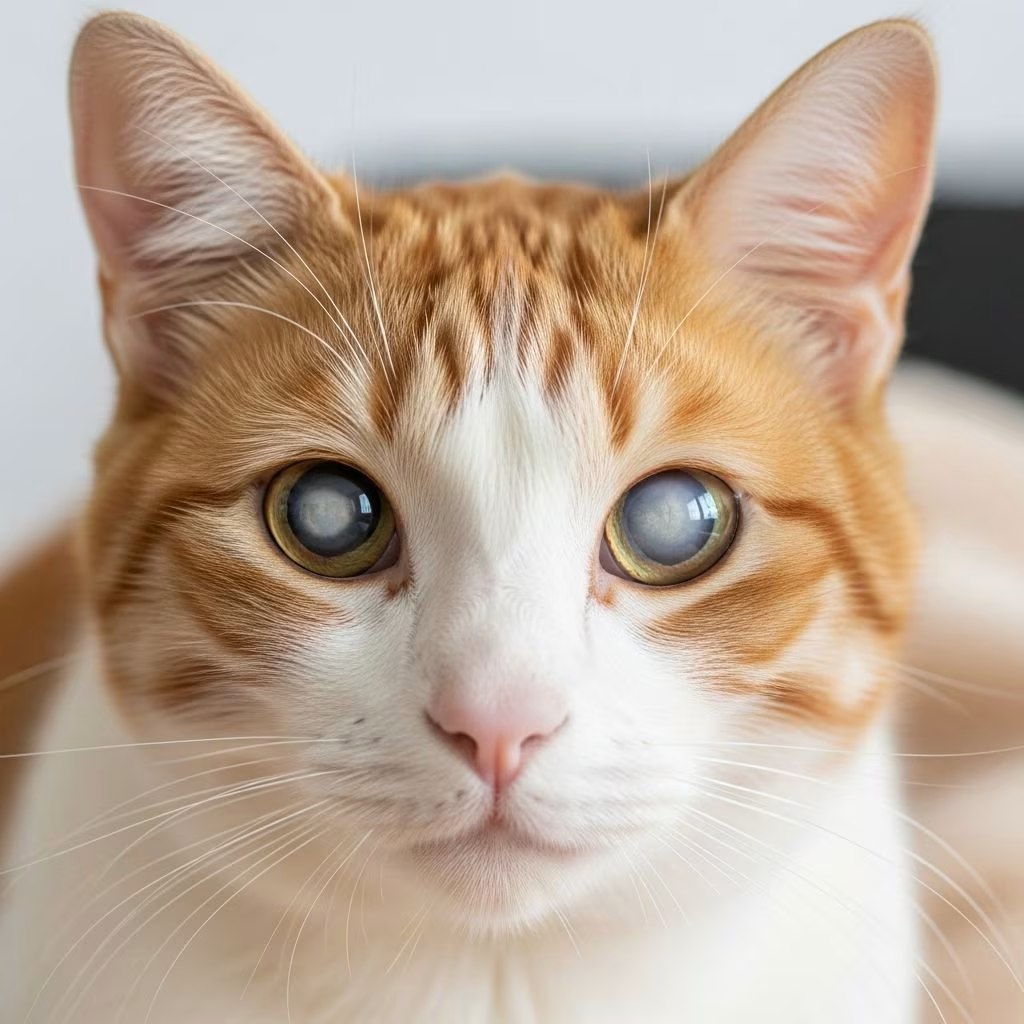
Cataracts occur when the lens of a cat’s eye becomes cloudy, impairing vision. This condition, while less common in felines than in dogs, can lead to partial or complete blindness if untreated, primarily affecting older cats or those with underlying health issues.
Understanding the Feline Eye Lens
The lens in a cat’s eye is a clear, flexible structure that focuses light onto the retina for sharp vision. When proteins within the lens break down or clump together, opacity forms, scattering light and reducing clarity. Unlike dogs, where cataracts often stem from genetic factors, cats more frequently develop them secondary to inflammation or systemic diseases.
This distinction influences treatment approaches and prognosis. Early detection through regular veterinary exams can significantly improve outcomes by addressing root causes before vision loss progresses.
Primary Causes of Cataracts in Cats
Multiple factors contribute to cataract formation in cats. Inflammation, particularly uveitis, tops the list as the leading cause. Uveitis involves irritation in the eye’s middle layer, prompting the immune system to attack the lens as a foreign body.
- Uveitis and Infections: Viral, bacterial, fungal, or protozoal infections like feline leukemia, FIV, FIP, or Toxoplasma gondii trigger inflammation.
- Trauma: Physical injury to the eye, such as scratches or penetration, damages lens fibers directly.
- Genetic Predisposition: Breeds like Himalayan, Persian, British Shorthair, and Birman face higher risks, with some kittens born with congenital cataracts.
- Metabolic Disorders: Diabetes and hypertension disrupt lens metabolism, though rarer in cats than dogs.[10]
- Nutritional Deficiencies: Poor kitten diets or improper milk substitutes can impair lens development.
- Other Factors: Cancer, radiation exposure, high blood pressure, or aging in cats over 10 years.
Addressing underlying issues promptly reduces cataract progression risk. For instance, controlling hypertension prevents further vascular damage to the eye.
Recognizing Early Warning Signs
Cats often mask vision problems due to their predatory instincts, making subtle cues critical for owners to spot. Cloudy or bluish-gray pupils are hallmark signs, replacing the normal black appearance.
- Bumping into furniture or walls
- Hesitation on stairs or jumps
- Increased clumsiness or dilated pupils in bright light
- Excessive blinking, squinting, or pawing at eyes
- Reluctance to play or hunt
Behavioral changes like anxiety or altered navigation patterns signal vision impairment. Older cats may show gradual adaptation, underscoring the need for annual eye checks.
Diagnostic Process for Feline Cataracts
Veterinarians confirm cataracts via a comprehensive ophthalmic exam, often dilating pupils to assess lens opacity. Tools like slit-lamp biomicroscopy reveal inflammation or secondary issues like glaucoma.
Additional tests include:
| Test | Purpose |
|---|---|
| Tonometry | Measures intraocular pressure to rule out glaucoma |
| Fluorescein Staining | Detects corneal ulcers from trauma |
| Bloodwork | Identifies diabetes, infections, or hypertension |
| Ultrasound | Evaluates lens and retina if opacity blocks view |
These steps differentiate cataracts from mimics like nuclear sclerosis, a benign age-related haze.
Treatment Options: From Medications to Surgery
No drops dissolve cataracts, but interventions manage causes and complications. Anti-inflammatory eye drops (steroids or NSAIDs) control uveitis, while antibiotics target infections.
Surgical Intervention: Phacoemulsification, performed by veterinary ophthalmologists, uses ultrasound to fragment and aspirate the cloudy lens, implanting an artificial intraocular lens (IOL). Success rates exceed 80-90% in suitable candidates, restoring functional vision.
Cats with active inflammation or uncontrolled diseases may not qualify for surgery. Post-op care involves medicated drops, activity restrictions, and follow-ups to monitor healing.
Antioxidant supplements like Ocu-GLO support lens health and may slow progression in mild cases.
Life with Cataracts: Adaptation and Home Management
Blind cats adapt remarkably using whiskers, hearing, and memory. Owners can facilitate this by:
- Maintaining consistent furniture layouts
- Using scent markers on key areas
- Avoiding sudden changes or rearrangements
- Providing textured paths or raised food bowls
Cataracts themselves cause no pain, but secondary glaucoma does—watch for redness or tearing. Regular vet visits ensure timely pain management.
Prevention Strategies for Optimal Eye Health
Proactive measures minimize risks:
- Annual wellness exams for early detection
- Vaccinations against FeLV, FIV, and FIP
- Balanced nutrition, avoiding deficient formulas for kittens
- Blood pressure and glucose monitoring in seniors
- Protecting eyes from trauma during play
Breeds prone to genetics benefit from pedigree screening before breeding.
When to Seek Immediate Veterinary Help
Rush to the vet if your cat shows sudden vision loss, eye redness, discharge, or behavioral distress. These indicate uveitis or glaucoma, where delays risk permanent damage.
FAQs on Cataracts in Cats
Can all cats with cataracts undergo surgery?
No, only those without active inflammation or comorbidities qualify. Consult a specialist for candidacy assessment.
Do cataracts cause pain in cats?
Not directly, but complications like glaucoma do. Pain meds address this effectively.
How do I know if my cat is blind from cataracts?
Observe navigation struggles in familiar spaces or pupil cloudiness. A vet exam confirms.
Are cataracts hereditary in cats?
Yes, certain breeds have genetic risks, though secondary causes dominate.
What is the cost of cataract surgery for cats?
Varies by location and complexity, typically $3,000-$5,000 per eye including pre/post-care. Insurance may offset.
With vigilant care, most cats with cataracts enjoy fulfilling lives, sighted or not. Partner with your vet for tailored strategies.
References
- What Causes Cataracts in Cats and How Are They Treated? — Cooperstown Veterinary Clinic. 2023. https://cooperstownveterinaryclinic.com/articles/a_29929.html
- Cataracts in Cats: Causes, Symptoms, & Treatment — Hill’s Pet Nutrition. 2024. https://www.hillspet.co.id/cat-care/healthcare/cataracts-in-cats
- Cataracts in Cats: Causes, Signs, and Treatment — Clearlake Vet Clinic. 2024-04-24. https://www.clearlakevetclinic.com/site/blog/2024/04/24/cataracts-cats
- Cataracts in Cats — Lincoln Road Vet. 2024-07-31. https://www.lincolnroadvet.com/site/blog/2024/07/31/cataracts-cats
- Cataracts in Cats — PetMD. 2024. https://www.petmd.com/cat/conditions/eyes/cataracts-cats



