

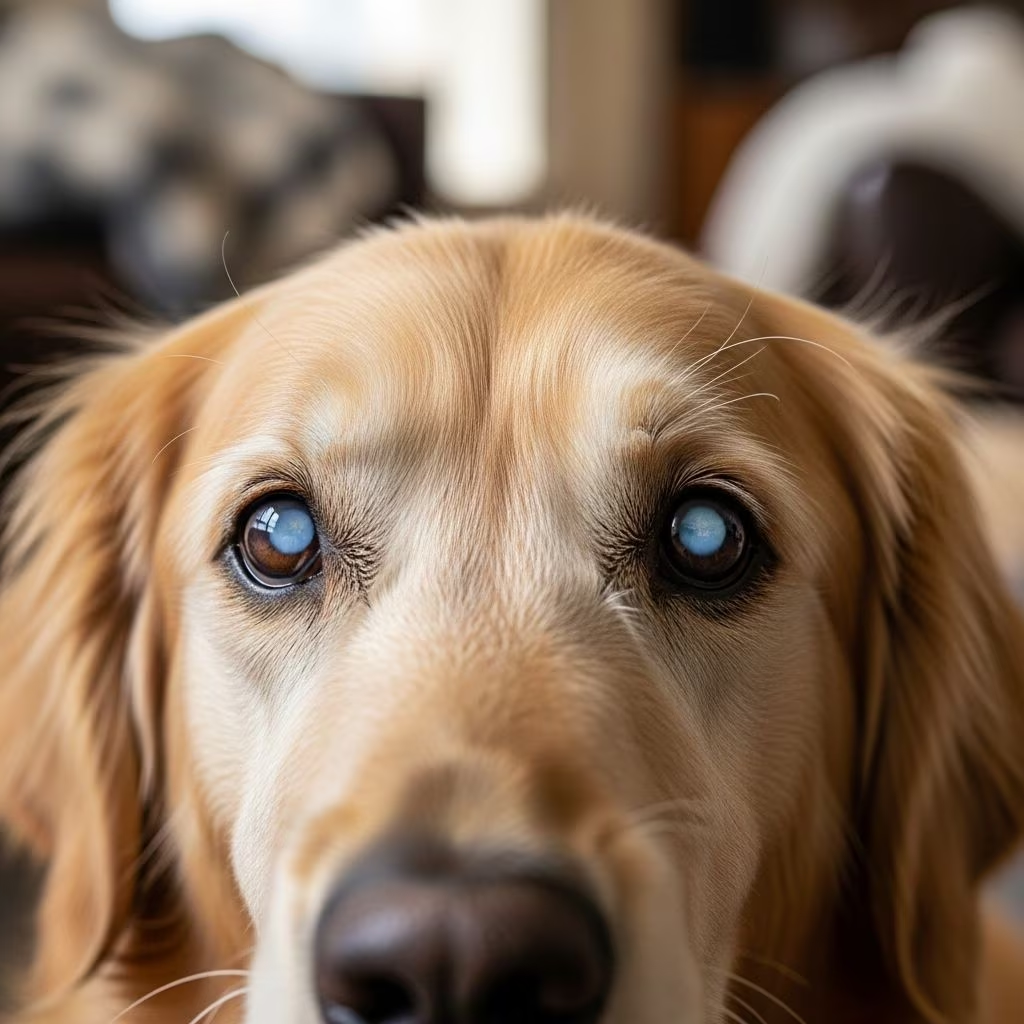
Cataracts represent a prevalent vision impairment in senior dogs, characterized by lens clouding that progressively obstructs light to the retina, potentially leading to blindness if untreated. This condition primarily affects dogs over eight years old, though younger ones with genetic predispositions may also develop it.
Understanding the Eye’s Lens and Cataract Formation
The lens in a dog’s eye focuses light onto the retina for clear vision. Cataracts occur when proteins within the lens clump, creating opacities that scatter light and blur sight, akin to peering through frosted glass. In older dogs, this often stems from age-related protein degradation, but other triggers accelerate the process.
Unlike nuclear sclerosis—a benign haze in aging lenses that minimally impacts vision—cataracts actively worsen and demand attention. Distinguishing them early prevents complications like painful inflammation.
Primary Causes Behind Canine Cataracts
Hereditary factors top the list, with certain breeds like Poodles, Labrador Retrievers, and Cocker Spaniels genetically prone. Owners of these breeds should monitor pups and adults closely.
- Diabetes Mellitus: High blood sugar disrupts lens water balance, causing rapid cataract onset—often within months of diagnosis. Nearly all untreated diabetic dogs develop them.
- Advanced Age: Natural lens changes in seniors over eight years lead to gradual clouding.
- Trauma or Injury: Physical damage, electric shocks, or inflammation (uveitis) can initiate opacities.
- Other Factors: Rare contributors include nutritional gaps, low calcium, UV exposure, or toxins.
Breeds at higher risk include Terriers, Huskies, and Miniature Schnauzers, underscoring the need for breed-specific vigilance.
Spotting the Signs: Symptoms in Senior Dogs
Early detection hinges on observing subtle changes. The hallmark is a milky-white or bluish corneal cloudiness, starting small and expanding.
| Stage | Description | Vision Impact |
|---|---|---|
| Incipient | Small opacity, <15% lens coverage | Minimal, often unnoticed |
| Immature | Partial coverage, 15-99% | Blurred vision, hesitation in dim light |
| Mature | Full lens opacity | Near-blindness, light perception only |
| Hypermature | Shrinking, wrinkled lens | Blindness with inflammation risk |
Behavioral cues include bumping into furniture, reluctance to jump, widened stance for balance, or pawing at eyes if painful. Diabetic cases progress swiftly, sometimes blinding dogs overnight.
Accurate Diagnosis Methods
Veterinarians use ophthalmoscopes to inspect lens clarity, pupil dilation for detailed views, and tonometry to measure eye pressure, ruling out glaucoma. Fluorescein staining detects ulcers, while blood tests check for diabetes.
Specialists may employ electroretinography to assess retinal health pre-surgery, ensuring viability.
Treatment Pathways: Surgery as the Gold Standard
No drops or medications dissolve cataracts; surgery—phacoemulsification—removes the cloudy lens via ultrasound, often implanting an artificial one. Success rates exceed 90% in healthy candidates, restoring near-normal vision.
Pre-op requirements include stable systemic health: controlled diabetes, no infections, and inflammation-free eyes. Post-op care involves antibiotic/anti-inflammatory drops for weeks, with activity restrictions.
- Candidates: Dogs under 10 with immature/mature cataracts and healthy retinas.
- Non-Candidates: Those with advanced glaucoma, retinal atrophy, or severe illness.
For non-surgical cases, manage secondaries: drops prevent uveitis/glaucoma, though these don’t reverse blindness.
Managing Life with Vision Loss
Many seniors adapt remarkably, using senses like smell and hearing. Minimize changes: keep furniture static, use verbal cues, and add scent markers to paths.
- Avoid moving obstacles; secure rugs to prevent slips.
- Use night-lights or high-contrast toys.
- Harness walks enhance security over collars.
- Nutrient-rich diets with antioxidants (e.g., vitamins C/E) may slow progression, per vet advice.
Hypermature lenses risk lens-induced uveitis or glaucoma—monitor for redness, squinting, or tearing.
Prevention Strategies for At-Risk Dogs
Genetics can’t be undone, but diabetes control via insulin and diet delays onset. Annual senior eye exams catch issues early. UV-protective goggles aid outdoor breeds; trauma prevention through supervision is key.
Breeding affected purebreds perpetuates risk—responsible breeders screen.
Frequently Asked Questions (FAQs)
Can cataracts in dogs be reversed without surgery?
No reliable non-surgical reversal exists; drops manage symptoms but don’t clear lenses.
Is cataract surgery safe for older dogs?
Yes, for healthy seniors; risks are low with board-certified ophthalmologists.
How quickly do cataracts progress in diabetic dogs?
Often rapidly, causing blindness in days to weeks without blood sugar control.
Will my blind dog be in pain?
Not always; complications like glaucoma cause pain, treatable with meds.
What’s the difference between cataracts and nuclear sclerosis?
Sclerosis is a harmless age haze; cataracts cloud and impair vision.
Long-Term Prognosis and Quality of Life
Post-surgery, most dogs regain excellent vision, avoiding painful complications. Non-surgical pets thrive with adaptations, enjoying years of happiness. Regular vet check-ups ensure timely intervention.
Owners report enhanced mobility and confidence after treatment, underscoring proactive care’s value.
References
- Cataracts in Dogs: Signs, Causes, and Treatment — PetMD. 2023-2025. https://www.petmd.com/dog/conditions/eye/c_dg_cataract
- Cataracts in Dogs: Causes, Symptoms, and Treatment — GoodRx. 2023-2025. https://www.goodrx.com/pet-health/dog/cataracts-in-dogs
- Cataracts in dogs — PDSA. 2023-2025. https://www.pdsa.org.uk/pet-help-and-advice/pet-health-hub/conditions/cataracts-in-dogs
- Cataracts in Dogs: Signs, Causes, Diagnosis, and Treatment — Best Friends Animal Society. 2023-2025. https://bestfriends.org/pet-care-resources/cataracts-dogs-signs-causes-diagnosis-and-treatment
- Cataracts — MU Veterinary Health Center, University of Missouri. 2023-2025. https://vhc.missouri.edu/ophthalmology/cataracts/
- Cataracts in Dogs — VCA Animal Hospitals. 2023-2025. https://vcahospitals.com/know-your-pet/cataracts-in-dogs



