

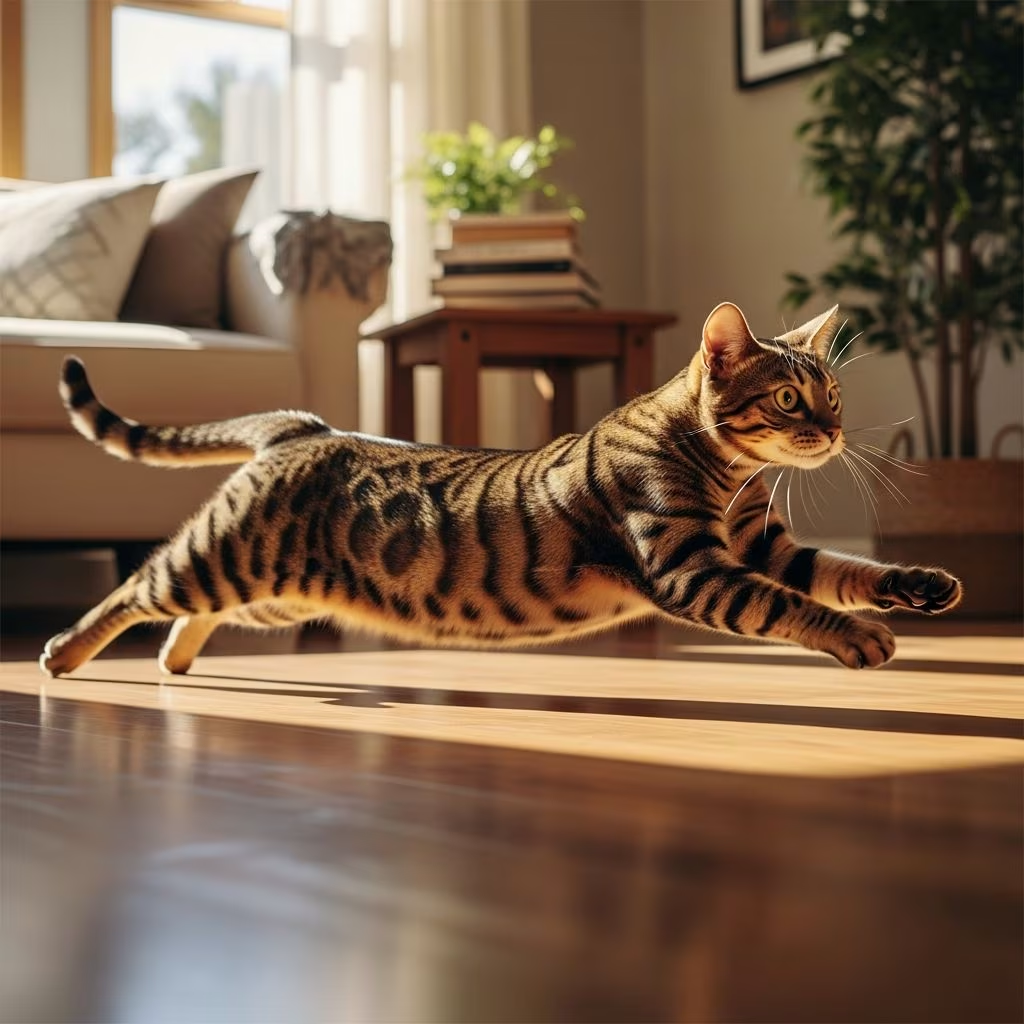
Cat zoomies, those sudden sprints and frenzied dashes across your home, are a common sight for many feline owners. Known scientifically as Frenetic Random Activity Periods (FRAPs), these bursts of hyperactivity often leave pet parents amused or perplexed. While typically harmless and even beneficial, understanding their triggers can help distinguish playful antics from potential health concerns.
The Science Behind Feline Energy Explosions
At their core, zoomies represent a cat’s natural mechanism for expending energy. Indoor cats, with limited space to roam, accumulate pent-up vitality throughout the day. When this builds up, it erupts in high-speed runs, sharp turns, and leaps that mimic wild hunting maneuvers. Veterinary behaviorists note that these episodes release endorphins, promoting a sense of euphoria and supporting muscle tone and heart health.
Cats are crepuscular animals, most active during twilight hours. This explains why zoomies peak at dawn or dusk, aligning with their evolutionary rhythm for hunting in low light. Kittens exhibit them most intensely due to rapid growth demands and skill-building needs like agility training.
Common Triggers for Zoomie Episodes
Several everyday factors spark these energetic displays. Here’s a breakdown:
- Surplus Energy After Rest: Post-nap awakenings often lead to sprints as cats shake off lethargy, similar to a human stretching after sitting too long.
- Hunting Practice: Spotting wildlife outside a window ignites predatory drives, prompting indoor chases despite barriers.
- Play Overstimulation: Interactive sessions with toys can escalate into full zoomies when excitement peaks.
- Environmental Stimuli: Catnip, sudden sounds, or inter-cat play can trigger dashes.
Post-Litter Box Zoomies: Relief or Red Flag?
One of the most observed patterns is sprinting immediately after litter box use. This ‘poo-phoria’ stems from vagus nerve stimulation during defecation. The nerve, running from brain to colon, fires upon relief from a large stool, causing a brief drop in heart rate and blood pressure. This induces lightheaded euphoria, prompting celebratory runs.
However, consistent post-litter zoomies warrant scrutiny. They may signal constipation, urinary tract infections, or colorectal inflammation if accompanied by hard stools, diarrhea, blood, or straining. Monitor the box: abnormal output means a vet visit.
Zoomies Across Life Stages
| Life Stage | Zoomie Frequency | Typical Causes | Health Notes |
|---|---|---|---|
| Kittens (0-6 months) | High & Intense | Growth, coordination practice | Normal; supports development |
| Adults (1-7 years) | Moderate | Energy release, instincts | Usually benign |
| Seniors (8+ years) | Low to Variable | Occasional energy, or medical | Check for hyperthyroidism, arthritis |
Young cats burn energy voraciously, honing pouncing and turning skills essential for survival. Mature felines zoom less but still need outlets. In elders, renewed vigor post-pain meds can indicate effective arthritis treatment, but spikes with weight loss or thirst suggest hyperthyroidism.
When Zoomies Signal Trouble
Not all dashes are playful. Distressed zoomies differ in presentation:
- Anxiety-Driven: Frantic, uncoordinated runs with tense posture, dilated pupils, flattened ears, or puffed tails.
- Pain-Related: Vocalizing, limping, or fleeing-like behavior post-litter use.
- Sensory Decline: Aging cats with hearing or vision loss may startle into runs from disorientation.
- Medical Conditions: Hyperthyroidism causes relentless activity plus symptoms like hair loss, ravenous hunger, and hypertension.
Sudden increases, especially in calm adults or seniors, or those refusing to settle, demand professional evaluation. Record episodes for your vet: duration, triggers, body language.
Encouraging Healthy Zoomies
Channel this behavior constructively to prevent furniture chaos and boredom. Strategies include:
- Interactive toys like feather wands or laser pointers for scheduled play.
- Window perches for safe wildlife viewing.
- Vertical spaces: cat trees and shelves for climbing sprints.
- Puzzle feeders to engage hunting instincts mentally and physically.
- Multiple litter boxes with fine litter to ease elimination and reduce post-use stress.
Daily 15-20 minute sessions tire cats naturally, spacing out zoomies. For multi-cat homes, separate play prevents overstimulation conflicts.
Debunking Zoomie Myths
Myths persist: ‘Zoomies mean my cat is unhappy’ or ‘They’re always bad.’ Truthfully, playful FRAPs boost well-being, releasing feel-good chemicals. Another: ‘Only kittens do it.’ Adults and seniors participate, albeit differently. Hunger can provoke them too, as restless foraging mimics wild patterns.
FAQs on Cat Zoomies
Are cat zoomies normal?
Yes, for most cats, especially during crepuscular hours or after inactivity. They’re a healthy energy outlet.
Why do cats get zoomies at night?
Crepuscular nature makes dawn/dusk prime activity times, aligning with ancestral hunting.
Should I stop my cat’s zoomies?
No, unless distressed. Provide safe spaces to redirect them.
Zoomies after litter box: always a problem?
Often just vagus nerve relief, but check for stool/urine issues.
When to see a vet for zoomies?
If sudden onset, paired with weight changes, thirst, or anxious signs.
Long-Term Management for Happy Cats
Integrate zoomie awareness into routine care. Track patterns via journal: time, duration, precursors. Annual senior checkups catch hyperthyroidism early via bloodwork. Enrich environments with scratching posts, tunnels, and rotation of toys to sustain engagement.
For overexcited cats nearing aggression, watch for overstimulation cues like pupil dilation or tail thrashing, then pause interaction. Balanced diet prevents hunger-induced bursts; high-protein foods fuel steady energy.
Ultimately, zoomies showcase your cat’s vitality. Embrace them as windows into feline psychology, intervening only when patterns shift abnormally. With insight, these spectacles enhance the joy of cat companionship.
References
- Pet Zoomies Explained — Bluffs Pet Clinic. 2023-05-15. https://www.bluffspetclinic.com/blog/pet-zoomies-explained/
- Cat Zoomies: What is the Reason? — Shawsheen Animal Hospital. 2024-02-10. https://shawsheenanimalhospital.com/blog/cat-zoomies/
- Why Do Cats Get the Zoomies? — PetMD. 2025-01-12. https://www.petmd.com/cat/behavior/why-do-cats-get-zoomies
- Cat Zoomies, Explained — Chicago Pet Sitters. 2024-08-22. https://chicagopetsitters.com/cats/cat-zoomies-explained/
- Cat Running Around Like Crazy? It’s the Zoomies! — Arm & Hammer. 2024-11-05. https://www.armandhammer.com/en/articles/why-do-cats-get-the-zoomies
- Cat Zoomies Explained: What’s Really Going On? — OVRS. 2023-09-18. https://www.ovrs.com/blog/cat-zoomies-explained-whats-really-going-on/
- Cat Zoomies: Understanding these crazy bursts of energy — VCA Hospitals. 2025-03-20. https://vcahospitals.com/resources/behavior-cat/cat-zoomies-explained



