
Cat Zoomies: Causes, Health Signs, And Management Tips
Discover why your cat dashes wildly around the house, from playful energy bursts to potential health signals that need attention.
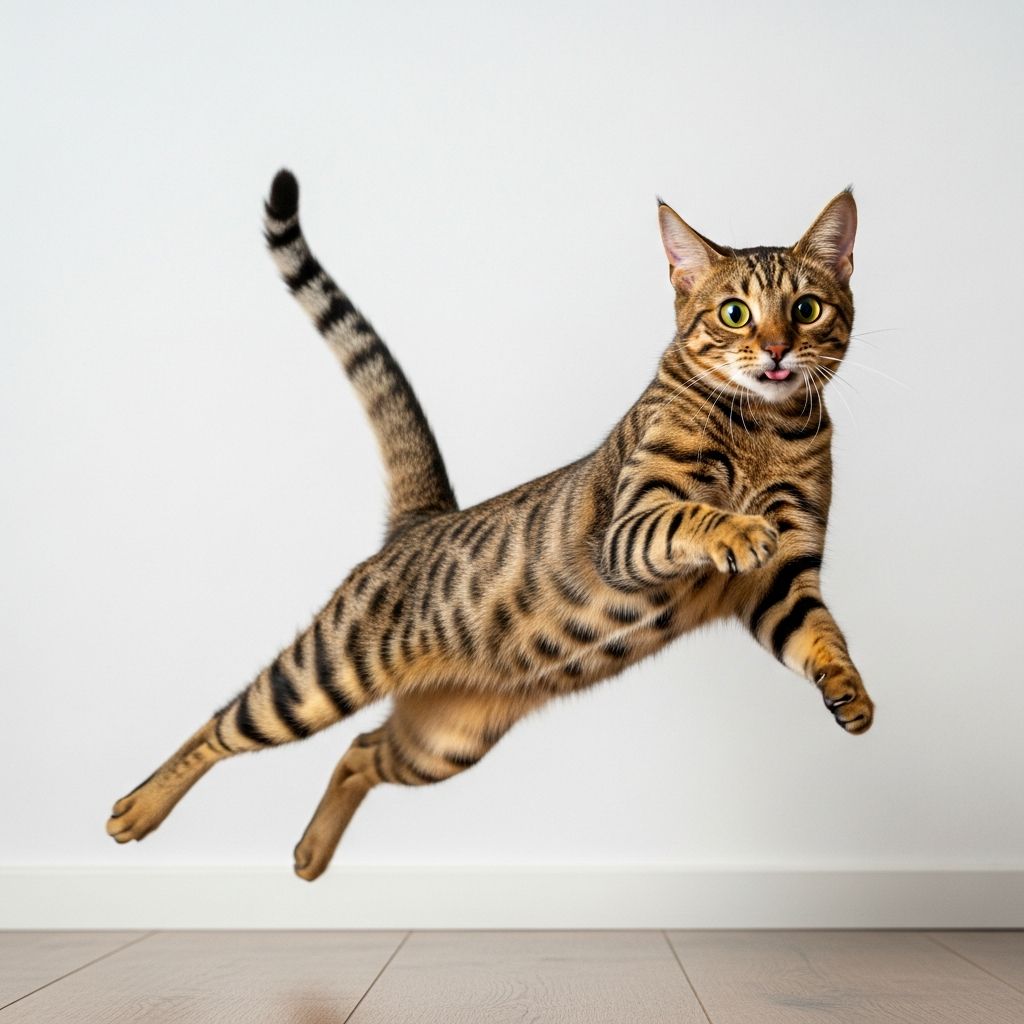
Observing your cat suddenly sprint across the room, leap onto furniture, and dart unpredictably can be both entertaining and puzzling. These episodes, commonly known as “zoomies,” are short bursts of high-energy activity that many cat owners witness. Far from random chaos, they often stem from instinctual drives, daily rhythms, or underlying conditions. This comprehensive guide delves into the science behind these behaviors, helping you discern normal play from potential health alerts.
The Science of Sudden Sprints: What Drives Cat Zoomies?
Cats exhibit zoomies—technically termed Frenetic Random Activity Periods (FRAPs)—as explosive releases of energy. These moments typically last 15-30 seconds and involve rapid running, sharp turns, and acrobatic leaps. Understanding the triggers requires looking at a cat’s biology and environment.
- Energy Overflow After Rest: Cats sleep 12-16 hours daily to conserve energy for hunting. Post-nap awakenings often spark zoomies as they transition to alertness.
- Crepuscular Nature: Most active at dawn and dusk, cats channel peak energy into these times, mimicking wild hunting preparations.
- Neurological Relief: Post-litter box use, stimulation of the vagus nerve can induce euphoria-like sensations, prompting sprints.
Instinctual Roots: How Zoomies Echo Wild Ancestry
Domestic cats retain predatory instincts from their wild relatives. Zoomies serve as practice for survival skills, even in safe homes.
During these bursts, cats hone agility, coordination, and pouncing techniques essential for chasing prey. Kittens, in particular, display frequent zoomies to build motor skills during growth phases. Spotting wildlife outside—like birds or squirrels—can ignite this hunting simulation, turning indoor spaces into imaginary savannas.
| Age Group | Zoomie Frequency | Primary Purpose |
|---|---|---|
| Kittens (under 1 year) | High (multiple daily) | Skill development and play |
| Adults (1-7 years) | Moderate (evening peaks) | Energy release and instinct practice |
| Seniors (8+ years) | Variable (monitor changes) | Potential health indicator |
Common Environmental and Behavioral Triggers
Beyond biology, everyday factors provoke zoomies. Recognizing patterns aids in managing them safely.
- Play and Stimulation: Toys, laser pointers, or catnip trigger predatory responses, escalating to full zoomies.
- Social Dynamics: In multi-cat homes, play-fights or territorial spats can lead to energetic chases.
- Stress Responses: New pets, moves, or noises may cause anxious zooming, distinguished by tense body language like flattened ears or dilated pupils.
- Sensory Irritants: Fleas, allergies, or skin irritations prompt fleeing behaviors to escape discomfort.
To mitigate unwanted episodes, enrich environments with climbing trees, puzzle feeders, and scheduled play sessions. This channels energy constructively, reducing nocturnal disruptions.
When Zoomies Signal Health Concerns
While usually benign, persistent or altered zoomies warrant veterinary scrutiny, especially with accompanying symptoms.
Hyperthyroidism in Middle-Aged and Senior Cats
This endocrine disorder, prevalent in cats over 10 years, overproduces thyroid hormones, boosting metabolism and activity. Zoomies pair with weight loss despite ravenous hunger, excessive thirst, urination, vomiting, and poor coat quality. Early detection via blood tests allows manageable treatment like medication or diet changes.
Cognitive and Sensory Decline
Aging cats may experience Cognitive Dysfunction Syndrome (CDS), akin to dementia, causing disorientation and sudden activity spikes. Diminished senses—hearing loss, vision impairment, or reduced smell—heighten startle responses, triggering zoomies. Accompanying signs include confusion, accidents, or altered sleep.
Gastrointestinal Discomfort
Post-defecation zoomies might indicate constipation or pain. If straining or infrequent stools occur, veterinary intervention prevents escalation.
Red Flags: When to Call the Vet
- Sudden increase in frequency, especially in seniors
- Zoomies with weight changes, appetite shifts, or thirst
- Signs of pain: vocalizing, limping, or hiding
- Uncoordinated, frantic movements suggesting anxiety or neurological issues
- Skin issues, fleas, or litter box avoidance
Managing and Embracing Your Cat’s Zoomies
Channel this behavior positively to strengthen your bond and cat’s well-being.
- Interactive Play: 15-20 minute sessions twice daily with wand toys mimic hunting, tiring them naturally.
- Environmental Enrichment: Install shelves, tunnels, and window perches for vertical exploration.
- Diet and Exercise Balance: High-protein foods support energy needs; avoid free-feeding to prevent obesity.
- Scheduled Feeding: Align meals with active periods to sync crepuscular rhythms.
- Health Monitoring: Annual senior checkups (over 7 years) catch issues early.
For anxious cats, pheromone diffusers or calming treats offer relief. Video episodes for vets to assess accurately.
Age-Specific Insights on Feline Energy Bursts
Zoomies evolve with life stages, reflecting developmental and degenerative shifts.
- Kittens: Essential for physical and neural growth; encourage with safe toys.
- Adults: Peak fitness display; provide outlets to prevent boredom.
- Seniors: Post-pain meds, renewed zoomies signal relief from arthritis. However, new patterns demand exams.
Frequently Asked Questions (FAQs)
What if my cat gets zoomies every night?
Nightly episodes align with crepuscular activity. Increase daytime play to redistribute energy.
Are zoomies a sign of pain?
Rarely alone, but combined with limping, yowling, or appetite loss, yes—consult a vet promptly.
Can diet influence zoomies?
High-sugar treats may spike energy; opt for balanced, protein-rich nutrition.
Do all cats get zoomies?
Most do, varying by personality and health. Shy cats may suppress them.
Is it okay to interrupt zoomies?
Avoid if playful; gently redirect if destructive. Never punish—it’s natural.
Zoomies reveal your cat’s vibrant spirit and instincts. By understanding causes—from joyful energy dumps to medical cues—you foster a happier, healthier companion. Regular vet visits ensure these dashes remain signs of vitality, not distress.
References
- Pet Zoomies Explained — Bluffs Pet Clinic. 2023-05-15. https://www.bluffspetclinic.com/blog/pet-zoomies-explained/
- Why Do Cats Get the Zoomies & When To Call Your Vet — Cats.com. 2024-02-10. https://cats.com/cat-zoomies
- Cat Running Around Like Crazy? It’s the Zoomies! — Arm & Hammer. 2023-11-20. https://www.armandhammer.com/en/articles/why-do-cats-get-the-zoomies
- Cat Zoomies, Explained — Chicago Pet Sitters. 2024-01-08. https://chicagopetsitters.com/cats/cat-zoomies-explained/
- Why Do Cats Get the Zoomies? — PetMD. 2025-09-12. https://www.petmd.com/cat/behavior/why-do-cats-get-zoomies
- Cat Zoomies: What is the Reason? — Shawsheen Animal Hospital. 2024-03-22. https://shawsheenanimalhospital.com/blog/cat-zoomies/
- Cat Zoomies: Why Your Cat Gets Them & When to Call the Vet — Hill’s Pet. 2023-07-18. https://www.hillspet.ca/en-ca/cat-care/behavior-appearance/what-are-cat-zoomies
Similar Articles








Read full bio of Sneha Tete




