

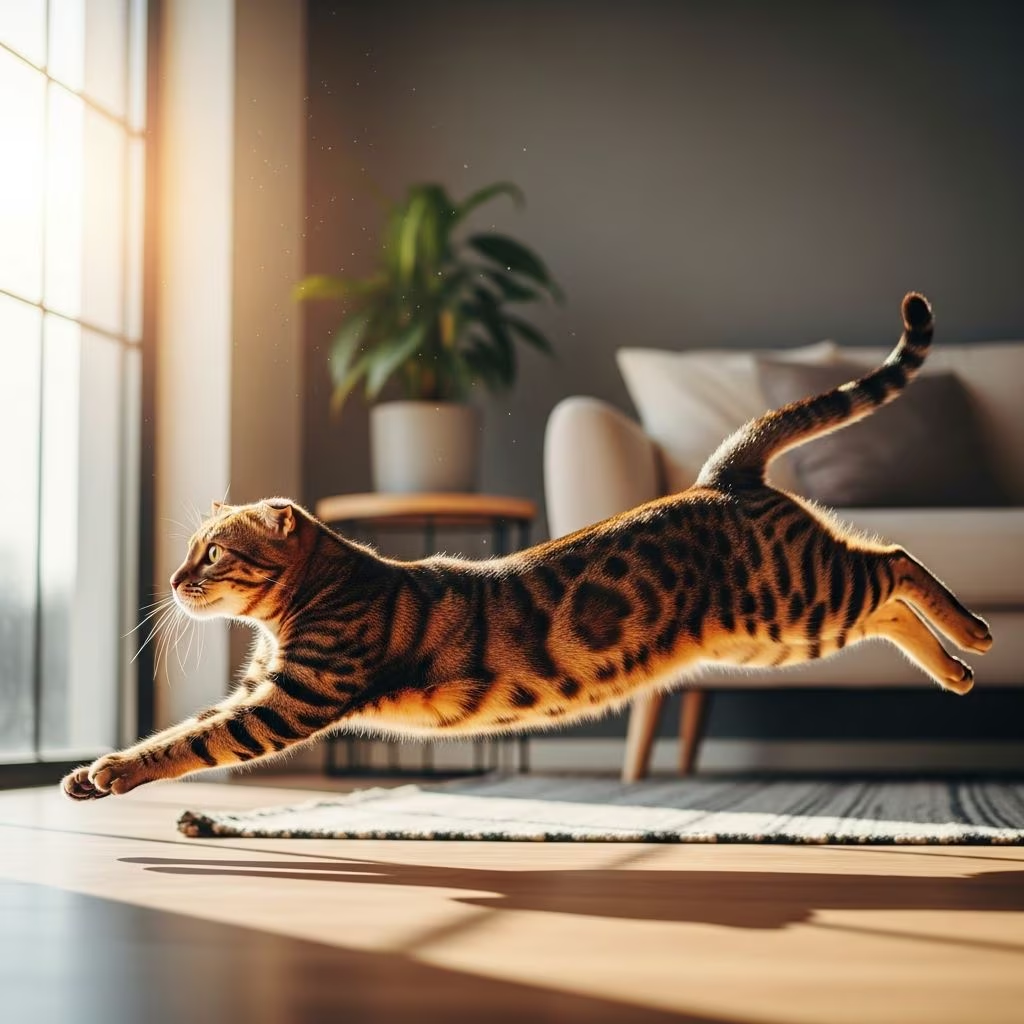
Sudden, explosive runs across your home are a hallmark of feline life, often leaving owners amused or bewildered. These episodes, commonly called cat zoomies, represent short bursts of high-energy activity where cats sprint, leap, and twist with apparent abandon. Far from random chaos, they stem from a mix of instinctual drives, environmental factors, and physiological responses.
The Science Behind Feline Frenzy
Scientifically termed Frenetic Random Activity Periods (FRAPs), cat zoomies occur when felines release built-up energy after prolonged rest. Cats sleep 12-16 hours daily, awakening with surplus vitality that demands outlet. This behavior mirrors natural crepuscular rhythms, peaking at dawn and dusk when wild cats hunt.
During zoomies, cats exhibit sharp turns, pouncing motions, and rapid acceleration, honing predatory skills like agility and coordination. Kittens display them most intensely to build motor control during growth.
Primary Triggers for Zoomie Episodes
Multiple factors spark these sprints. Understanding them helps owners respond appropriately.
- Pent-Up Energy Release: After napping, cats burn off steam through dashes, akin to human cabin fever.
- Litter Box Euphoria: Post-elimination zoomies often link to vagus nerve stimulation, creating lightheaded relief or instinctual flight from scent-marked vulnerability.
- Hunting Instinct Activation: Sighting outdoor prey or toys triggers chase simulations, practicing pounce and pursuit.
- Environmental Stimuli: Catnip, sudden sounds, play conflicts, or silvervine provoke dashes.
Age-Related Patterns in Zoomies
Zoomie frequency varies by life stage. Young cats and kittens experience frequent, vigorous episodes due to high energy and skill development needs.
Adults show them sporadically, often tied to daily cycles. Seniors may have milder versions, but sudden increases warrant scrutiny for issues like cognitive dysfunction or sensory loss.
| Age Group | Zoomie Frequency | Common Characteristics |
|---|---|---|
| Kittens/Young | High | Intense, skill-building sprints |
| Adults | Moderate | Crepuscular peaks, play-induced |
| Seniors | Low to Variable | Potentially linked to health changes |
When Zoomies Signal Health Concerns
While usually benign, altered zoomies can indicate problems. Distinguish playful from problematic by observing context and accompaniments.
Hyperthyroidism Indicators
This thyroid overactivity accelerates metabolism, causing persistent hyperactivity, weight loss despite ravenous appetite, thirst, vomiting, diarrhea, irritability, and vocalization. Older cats are prone; nighttime zoomies with these signs demand veterinary blood tests.
Anxiety and Stress Manifestations
Fear-driven dashes appear frantic, with tense posture, dilated pupils, flattened ears, puffed tail, aggression, pica, hiding, overgrooming, or litter box avoidance. Triggers include household changes, new pets, or noises.
Sensory or Digestive Issues
Age-related hearing/sight loss causes disorientation dashes. Post-litter box sprints with abnormal feces suggest constipation, diarrhea, or pain.
- Red Flags: Uncoordinated movement, vocalizing, persistent episodes, or novel behaviors.
Strategies to Channel Cat Energy
Proactive management prevents destructive zoomies and promotes well-being.
Enrichment and Exercise Routines
Daily interactive play (15-30 minutes) using wand toys, lasers, or balls mimics hunting, tiring cats before crepuscular peaks.
- Install window perches for bird-watching.
- Provide scratching posts and tunnels.
- Rotate toys to maintain novelty.
Optimizing the Home Environment
Clear pathways reduce crash risks. Vertical spaces like cat trees satisfy climbing urges. Puzzle feeders engage mentally.
Litter Box Best Practices
Multiple clean boxes minimize discomfort-induced dashes. High-quality litter prevents aversion.
Medical Interventions for Problematic Zoomies
Consult vets for suspected issues. Diagnostics include bloodwork for thyroid levels, fecal exams, and behavioral assessments.
Treatments: Methimazole for hyperthyroidism, anxiety meds, or diets. Pain relief in arthritic seniors may restore zoomies positively.
FAQs on Cat Zoomies
Are cat zoomies normal?
Yes, they are a healthy energy release, especially in young or indoor cats.
Why do cats get zoomies at night?
Crepuscular nature drives activity at dawn/dusk.
Should I stop my cat’s zoomies?
No, unless destructive; redirect with play instead.
When to see a vet for zoomies?
If accompanied by weight loss, anxiety signs, or litter issues.
Do all cats get zoomies?
Most do, varying by age, health, and lifestyle.
Conclusion: Embrace the Feline Sprint
Cat zoomies enrich the pet-parent bond, showcasing natural vitality. Monitor for anomalies, enrich environments, and enjoy these joyful displays. Video unusual episodes for vets to ensure your cat thrives.
References
- Pet Zoomies Explained — Bluffs Pet Clinic. 2023. https://www.bluffspetclinic.com/blog/pet-zoomies-explained/
- Cat Running Around Like Crazy? It’s the Zoomies! — Arm & Hammer. 2024. https://www.armandhammer.com/en/articles/why-do-cats-get-the-zoomies
- Cat Zoomies: Causes and How to Handle Them — Business Insider. 2023-10-15. https://www.businessinsider.com/reference/cat-zoomies
- Why Do Cats Get the Zoomies? — PetMD. 2024. https://www.petmd.com/cat/behavior/why-do-cats-get-zoomies
- Cat Zoomies: What is the Reason? — Shawsheen Animal Hospital. 2023. https://shawsheenanimalhospital.com/blog/cat-zoomies/
- Understand and Appreciate the Wackiest Cat Behavior — Englishtown Vet. 2024. https://www.englishtownvet.com/blog/understand-and-appreciate-the-wackiest-cat-behavior/
- Cat zoomies: Understanding these crazy bursts of energy — VCA Hospitals. 2024. https://vcahospitals.com/resources/behavior-cat/cat-zoomies-explained



