
Cat Wound Infections: Prevention and Treatment
Complete guide to preventing and treating wound infections in cats with expert veterinary insights.
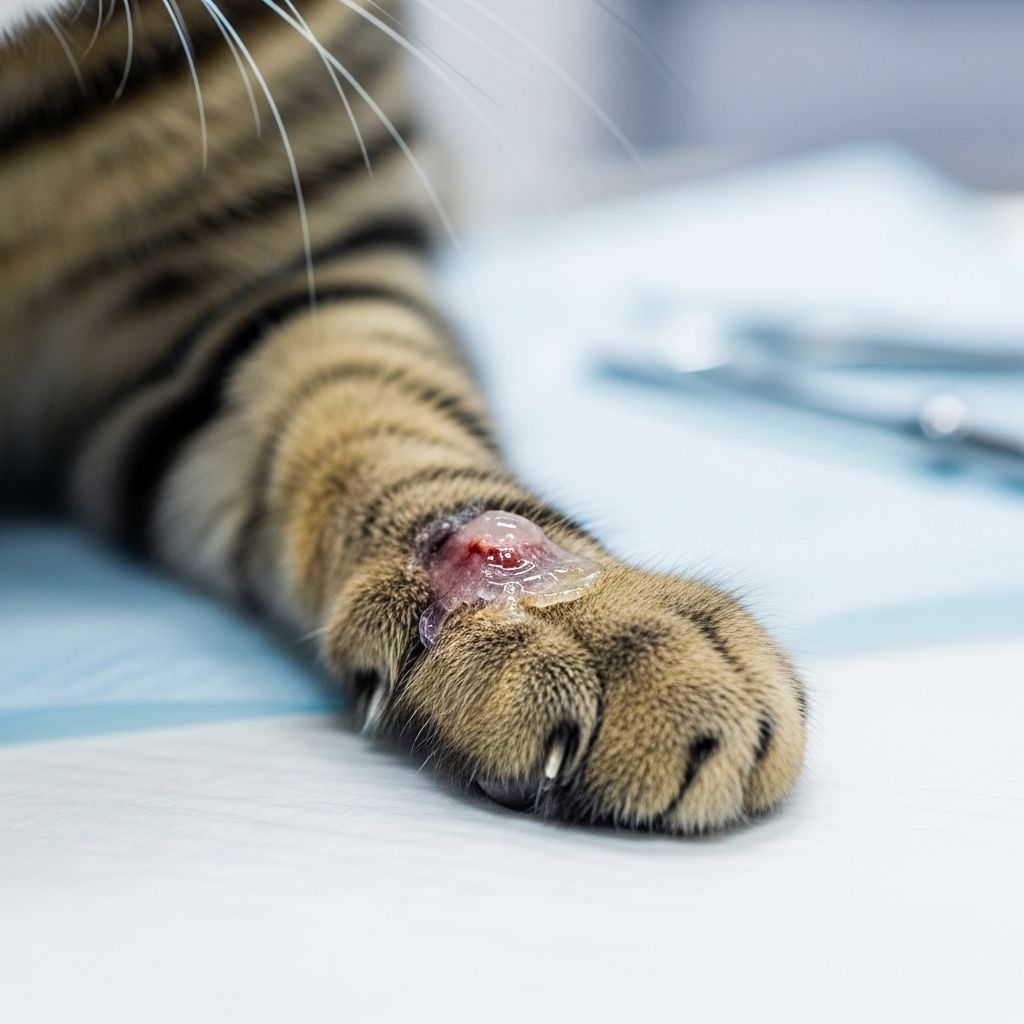
Understanding Feline Wound Infections
Wounds in cats can occur from various causes including fights with other animals, scratches, surgical procedures, or accidents. While minor wounds often heal naturally, infected wounds require immediate attention to prevent serious complications. Cat bite wounds are particularly prone to infection due to the bacteria present in their mouths, which can be injected deep into tissues, causing rapid infection development within 24-48 hours.
Feline wounds demand vigilant care because cats are prone to licking or scratching at injured areas, which can introduce bacteria and delay healing. Understanding how to identify, treat, and prevent wound infections is crucial for every cat owner who wants to ensure their pet’s health and comfort.
What Causes Wound Infections in Cats
Wound infections develop when bacteria colonize an open injury and overwhelm the body’s natural healing response. Several factors increase the risk of infection in feline wounds:
- Puncture wounds from fights or accidents that trap bacteria deep in tissue
- Contaminated environments where wounds are exposed to dirt or debris
- Cats with compromised immune systems or underlying health conditions
- Surgical wounds that are not properly monitored or cared for
- Wounds that remain moist or dirty for extended periods
- Cat bites from other animals containing oral bacteria like Pasteurella multocida
The most common bacterial culprits in feline wound infections include Pasteurella multocida, which naturally lives in cats’ mouths and can cause rapid infection. Other bacteria such as Staphylococcus species and Streptococcus may also be involved, particularly in multi-cat households where cross-contamination is possible.
Recognizing the Signs of Infected Wounds
Early detection of wound infection allows for prompt treatment and better outcomes. Cat owners should watch for the following warning signs:
- Increased swelling, redness, or warmth around the wound area
- Discharge from the wound that is thick, green, yellow, or cloudy
- Persistent odor emanating from the injury
- Your cat licking, biting, or excessively grooming the wound
- Fever or lethargy indicating systemic infection
- Skin that is hot to the touch or appears inflamed
- Formation of an abscess or collection of pus
- Lack of improvement or worsening condition after initial injury
If you notice any combination of these symptoms, it is essential to contact your veterinarian immediately. Prompt intervention can prevent the infection from spreading systemically and affecting your cat’s overall health.
Professional Wound Assessment and Evaluation
When you bring your cat to the veterinarian with a suspected infected wound, they will conduct a comprehensive examination. This assessment includes evaluating the extent of tissue damage, checking for signs of systemic infection such as fever or lethargy, and possibly taking bacterial culture samples to identify the specific pathogens responsible for the infection. Your veterinarian will also assess your cat’s overall health status to determine the most appropriate treatment plan.
The veterinarian may use additional diagnostic tools such as ultrasound or radiographs to assess the depth of the wound and determine if foreign material is embedded in the tissue. This thorough evaluation ensures that all aspects of the infection are identified and addressed in the treatment protocol.
Treatment Option 1: Antibiotic Therapy
Antibiotics form the cornerstone of treating infected wounds in cats and are typically prescribed immediately after veterinary assessment. Most commonly, broad-spectrum antibiotics effective against Pasteurella multocida and other oral bacteria are used initially, including amoxicillin-clavulanate, clindamycin, or cefovecin. The choice of antibiotic depends on the severity of infection, bacterial culture results, and your cat’s individual health factors.
Antibiotics may be administered through multiple routes to ensure effectiveness:
- Oral medications in tablet, capsule, or liquid form for at-home administration
- Injectable long-acting antibiotics like Convenia for cats that are difficult to medicate orally
- Topical antibiotic preparations applied directly to the wound surface
Completing the full course of prescribed antibiotics is absolutely essential, even if your cat appears to be recovering quickly. Stopping treatment prematurely can lead to recurring infections and the development of antibiotic-resistant bacteria. Veterinarians typically prescribe a 7-14 day course depending on infection severity, and follow-up appointments may be recommended to ensure proper healing and adjust treatment if necessary.
Treatment Option 2: Professional Wound Cleaning
Proper wound cleaning and management form an essential component of infection treatment alongside antibiotics. Professional veterinary cleaning removes debris, bacteria, and damaged tissue while creating an optimal environment for healing. Initial wound cleaning should always be performed by a veterinary professional, especially if the wound is already infected.
The veterinary cleaning process typically involves irrigating the wound with sterile saline or dilute povidone-iodine solution using high-pressure techniques with a 20-mL or larger syringe to ensure thorough cleaning. At-home care between veterinary visits may include gentle cleaning with prescribed solutions 1-3 times daily, application of topical medications as directed, and careful monitoring for changes in wound appearance or drainage.
It is important to avoid using harmful substances such as hydrogen peroxide, alcohol, or tea tree oil, as these can damage healthy tissue and cause pain. Instead, use only saline solution or products specifically recommended by your veterinarian. If creating a saline solution at home, mix 1/4 teaspoon of salt in a cup of warm water for gentle cleaning.
Treatment Option 3: Surgical Intervention When Necessary
Some infected wounds require surgical intervention to achieve proper healing. If the infection has created dead space or an abscess cavity, or if there is significant devitalized tissue that cannot heal naturally, your veterinarian may recommend surgical drainage or debridement. This procedure involves removing infected or dead tissue and allowing proper drainage of accumulated fluid and pus.
Surgical wounds may require drain placement to allow fluid to escape during the healing process, preventing future abscess formation. Proper drainage is particularly important in bite wounds or when large amounts of tissue damage has occurred. Your veterinarian will provide specific post-surgical care instructions and schedule follow-up appointments to monitor healing progress.
Treatment Option 4: Pain Management
Infected wounds are painful for cats, and managing pain is an important aspect of treatment that is often overlooked. Pain management not only improves your cat’s comfort but also reduces stress on the immune system, allowing the body to focus energy on fighting infection and healing tissue. Your veterinarian may prescribe pain medications appropriate for your cat’s age, weight, and health status.
Pain medications may include nonsteroidal anti-inflammatory drugs (NSAIDs) or other analgesics that reduce both pain and inflammation. Additionally, keeping your cat calm and providing a quiet, comfortable recovery space helps minimize stress and supports the healing process.
Treatment Option 5: Supportive Care and Recovery Management
Comprehensive supportive care ensures your cat has all the resources needed for optimal recovery. This includes maintaining proper nutrition to support immune function and tissue repair, ensuring adequate hydration through fresh water availability or fluid therapy if needed, and providing vitamin or supplement support as recommended by your veterinarian.
Environmental modifications such as reducing stress, providing a quiet recovery space, and limiting activity help your cat focus energy on healing. For cats unable to maintain normal grooming habits due to wounds or pain, assistance with grooming becomes necessary. Regular monitoring during the recovery period allows you to identify any complications early and adjust care as needed.
Preventing Future Wound Infections
Prevention remains far superior to treatment when managing feline wound infections. Several strategies significantly reduce the risk of wounds and subsequent infections in cats:
- Neutering and spaying: Reduces fighting behavior and territorial aggression that lead to wounds
- Indoor lifestyle: Minimizes exposure to other animals and environmental hazards that cause injuries
- Multi-cat household management: Careful supervision and separate spaces reduce fighting and bite wounds
- Regular veterinary checkups: Early identification of health issues that compromise immune function
- Prompt wound attention: Immediate cleaning and monitoring of minor injuries prevents infection development
- Vaccination maintenance: Current rabies and other vaccines protect against serious diseases
Additionally, keeping your home environment clean and free of sharp objects reduces accidental wounds, while maintaining your cat’s overall health through proper nutrition and stress management strengthens their immune response to fight potential infections.
When to Seek Emergency Veterinary Care
Certain situations require immediate emergency veterinary attention rather than waiting for a regular appointment. Seek emergency care if your cat’s wound shows:
- Sudden rapid spread of swelling or redness indicating systemic infection
- Severe lameness or inability to bear weight on an affected limb
- Signs of shock including pale gums, rapid weak pulse, or collapse
- Fever above 103°F (39.4°C) accompanied by lethargy or confusion
- Uncontrolled bleeding that does not stop with direct pressure
- Wound reopening after initial healing had begun
- Signs of rabies exposure requiring immediate quarantine or prophylaxis
- Difficulty breathing or other signs of severe systemic illness
Home Care Recommendations During Recovery
While professional veterinary treatment is essential for infected wounds, proper home care supports healing between appointments. Keep bandages clean and dry, changing them as directed by your veterinarian. Use an E-collar (cone) to prevent your cat from licking, chewing, or scratching at the wound, even though cats typically dislike wearing these protective devices.
Monitor the wound daily for changes in appearance, drainage, or odor. Document any observations to share with your veterinarian at follow-up appointments. Maintain a comfortable, clean environment for your recovering cat, and restrict activity to prevent wound disruption. Provide prescribed medications exactly as directed, setting reminders if needed to ensure no doses are missed.
Understanding Feline Wound Healing
Cats are naturally excellent at healing wounds when provided proper care. Granulation tissue, which appears pink and moist and may bleed easily if touched, is a normal and positive sign of healing. This tissue gradually fills the wound space and provides the foundation for skin regrowth. Any tissue that appears dead or necrotic will need to be surgically removed to prevent ongoing infection.
The healing timeline varies depending on wound size, depth, and infection severity. Most minor wounds heal within 7-14 days, while more significant injuries may require several weeks. Your veterinarian can provide estimates based on your cat’s specific wound.
Frequently Asked Questions About Feline Wound Infections
Q: How quickly can a cat bite wound become infected?
A: Cat bite wounds can develop serious infections within 24-48 hours due to bacteria in their saliva being injected deep into tissue. This is why prompt treatment is so important.
Q: Can I treat an infected cat wound at home without antibiotics?
A: While minor, superficial wounds may heal without antibiotics when kept clean, infected wounds require professional veterinary treatment and prescribed antibiotics. Using antibiotics unnecessarily can promote resistance, so veterinary guidance is essential.
Q: What should I use to clean my cat’s wound at home?
A: Use only sterile saline solution or tap water to clean wounds. Never use hydrogen peroxide, alcohol, or tea tree oil as these damage healthy tissue and are painful. A homemade saline solution can be made by mixing 1/4 teaspoon of salt in a cup of warm water.
Q: Why is an E-collar necessary during wound healing?
A: Cats instinctively lick and scratch at wounds, which introduces bacteria and prevents proper healing. An E-collar prevents this self-trauma and allows antibiotics and natural healing mechanisms to work effectively.
Q: When should I contact my veterinarian about a cat wound?
A: Contact your veterinarian immediately if you notice signs of infection such as swelling, discharge, odor, fever, or if your cat excessively licks the wound. Early intervention prevents serious complications.
Q: Are there any long-term complications from infected cat wounds?
A: If treated promptly, most infected cat wounds heal completely without lasting complications. However, untreated infections can lead to serious systemic illness, permanent tissue damage, or scarring.
References
- Infected Bite Wounds in Cats: 5 Essential Treatment Options — The Pet Vet. 2024. https://thepetvet.com/infected-bite-wounds-in-cats/
- Wound Care for Cats: How to Care For Your Cat During Recovery — PetMD. 2024. https://www.petmd.com/cat/general-health/wound-care-for-cats-how-to-help-your-cat
- Dog and Cat Bites — American Academy of Family Physicians. 2014-08-15. https://www.aafp.org/pubs/afp/issues/2014/0815/p239.html
- The Ultimate Guide to At-Home Wound Care for Cats — The Cat Hospital, Kamloops Vets. 2024-02-01. https://www.thecathospital.ca/site/education-kamloops-veterinarian/2024/02/01/wound-care-for-cats
- Wound Management — Special Pet Topics — MSD Veterinary Manual. https://www.msdvetmanual.com/special-pet-topics/emergencies/wound-management
- Management of Infection in Open Wounds — Veterinary Practice. https://www.veterinary-practice.com/article/management-of-infection-in-open-wounds
- Preventing Animal Wound Infections: Everything You Need To Know — Vetericyn. https://vetericyn.com/blogs/blog/preventing-animal-wound-infections-everything-you-need-to-know
Similar Articles








Read full bio of Sneha Tete




