

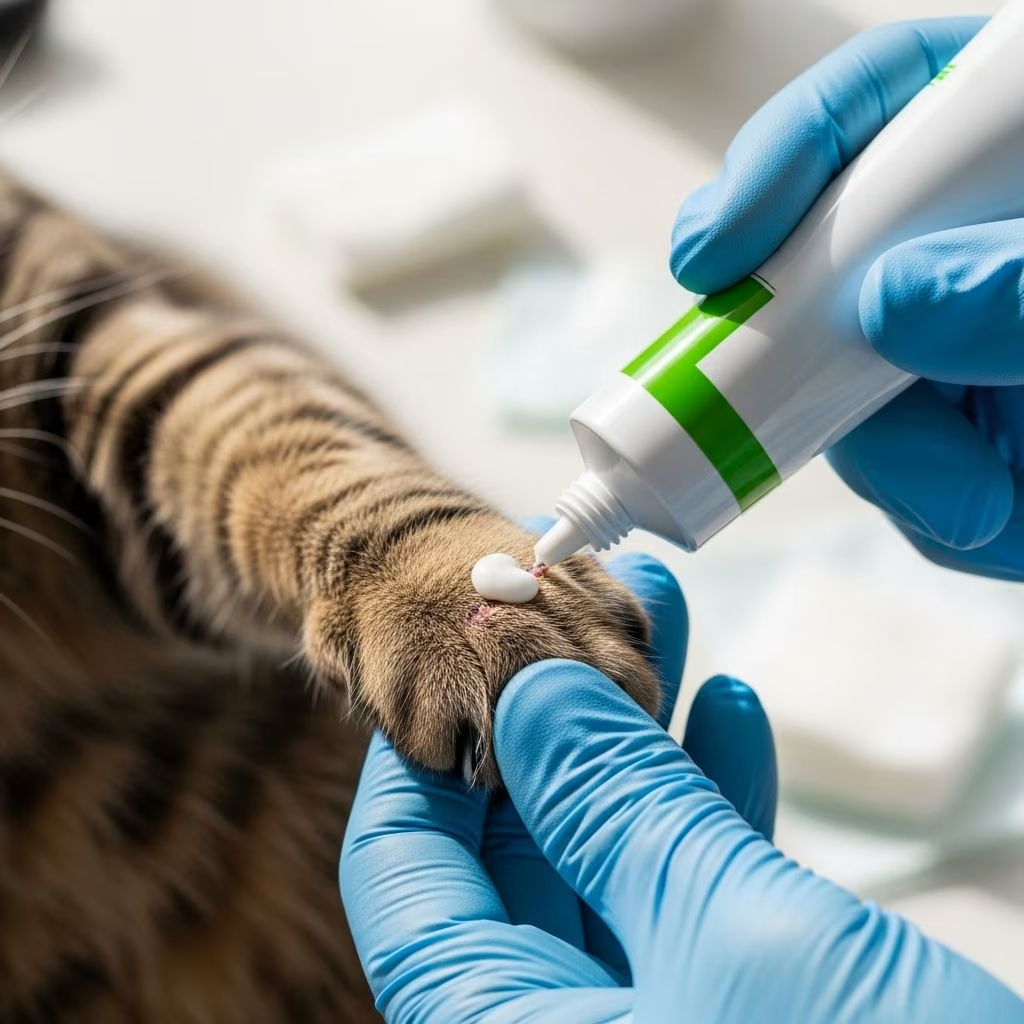
Cat Wound Ointments: A Comprehensive Guide to Safe and Effective Healing
When your beloved cat sustains a wound, whether from a scratch, bite, or minor injury, proper wound care becomes essential for preventing infection and promoting healthy healing. One of the most common questions cat owners ask is whether they can apply ointments to their pet’s wounds and, if so, which products are safe and effective. Understanding the right approach to feline wound care can make a significant difference in your cat’s recovery and overall wellbeing.
Understanding Cat Wound Care Basics
Before applying any ointment to a cat wound, it’s crucial to understand the fundamentals of feline wound care. Cats are particularly susceptible to complications from wounds due to their natural grooming behaviors and the presence of bacteria in their fur. The initial approach to any cat wound should focus on proper cleaning and assessment rather than immediately applying topical treatments.
The first step in wound care is to remain calm and evaluate the severity of the injury. If your cat’s wound is bleeding, apply gentle pressure using clean gauze or a soft cloth to control the bleeding. For wounds with profuse bleeding that doesn’t stop within a few minutes, veterinary emergency care is necessary. Once bleeding is controlled, the wound should be cleaned thoroughly to remove debris, bacteria, and foreign material that could complicate healing.
What NOT to Use on Cat Wounds
Understanding what products should never be applied to cat wounds is just as important as knowing what to use. Several common household items and over-the-counter products can actually damage tissue and delay healing in cats.
- Hydrogen peroxide — Can damage healthy tissue and cause additional pain when applied to open wounds
- Alcohol and rubbing alcohol — Harmful to cats and delays the healing process
- Tea tree oil — Can be toxic to cats and cause tissue damage
- Neosporin and similar human antibiotic ointments — Can be toxic to cats and should never be used
- Soaps and shampoos — May contain ingredients toxic if ingested through grooming
- Herbal preparations — Can be harmful and interfere with proper wound healing
These products are commonly found in household first aid kits but pose significant risks to cats. When cats groom themselves, they ingest any topical products applied to their wounds, making safety a critical consideration when selecting wound treatments.
Proper Wound Cleaning Techniques
Before any ointment can be applied, the wound must be properly cleaned. The cleaning process removes debris, dead tissue, and bacteria that could lead to infection and complications.
Safe cleaning solutions for cat wounds include:
- Unmedicated saline solution — The gold standard for flushing cat wounds, effectively removing contaminants without causing tissue damage
- Warm tap water — Recommended for cleaning most minor cat wounds
- Dilute chlorhexidine solution — A surgical soap that your veterinarian may recommend for specific situations
- Dilute iodine solution — Can be used at your veterinarian’s direction for debris removal
To properly clean a cat wound, use an oral syringe without a needle and unmedicated saline solution or clean water to flush away debris. Gently pat the wound dry with clean gauze after flushing. If your cat’s fur surrounding the wound is dirty, you may carefully clip the fur away, but take care not to get hair or debris into the wound itself.
Safe Ointment Options for Cat Wounds
When your veterinarian determines that topical ointments are appropriate for your cat’s wound, several safe options are available. The choice of ointment depends on the stage of healing and the specific characteristics of the wound.
Antibiotic Ointments for Early Healing
Antibiotic-containing ointments are most useful during the initial stages of wound healing. These products help prevent bacterial infection and support the early healing process. However, not all antibiotic ointments are suitable for cats, and some can lead to bacterial resistance if overused. Always consult your veterinarian before applying any antibiotic product to ensure it’s formulated for feline use and appropriate for your cat’s specific wound.
Cat-friendly antibiotic sprays are available specifically formulated for feline wounds and can be applied to small wounds after proper cleaning. These products have been developed with feline safety in mind and are less likely to contain harmful ingredients that might be toxic if ingested through grooming.
Medical-Grade Honey for Inflamed Wounds
For highly inflamed or swollen wounds, medical-grade honey can be particularly beneficial. Honey has natural antimicrobial properties and can help reduce inflammation while promoting tissue healing. Unlike regular honey, medical-grade honey has been specially processed to ensure safety and efficacy in wound care applications. This option is particularly useful when standard antibiotic ointments may not be the best choice.
Antimicrobial Hydrogels
Antimicrobial hydrogels represent a modern approach to feline wound care. These products are designed to kill pathogens while maintaining a moist wound environment that promotes healing. Some specialized formulations have demonstrated significant reductions in healing time, with certain products showing up to 60 percent faster wound healing in clinical studies.
When to Use Ointments vs. Professional Veterinary Care
Not every cat wound requires or benefits from topical ointments. Understanding when home treatment is appropriate and when professional veterinary care is necessary is crucial for your cat’s health.
| Wound Type | Appropriate Action | Ointment Use |
|---|---|---|
| Minor scrapes or small scratches | Home care after proper cleaning | May apply vet-approved antibiotic spray |
| Small puncture wounds without debris | Clean with saline; monitor closely | Only if veterinarian recommends |
| Large or deep wounds | Immediate veterinary attention required | Professional treatment only |
| Wounds with foreign objects | Emergency veterinary care; do not remove objects | No home treatment; professional care only |
| Infected or highly inflamed wounds | Veterinary evaluation and treatment | Professional wound care and medication |
| Abscesses or swollen areas | Veterinary treatment may include lancing and drainage | Professional antimicrobial treatment |
For any wound that appears deep, is actively bleeding, contains a foreign object, or shows signs of infection, do not attempt home treatment with ointments. Instead, transport your cat to an emergency veterinary clinic immediately.
Professional Veterinary Wound Treatment
When your cat’s wound requires professional care, your veterinarian will employ several treatment strategies depending on the wound’s severity and characteristics.
Your veterinarian may:
- Anesthetize your cat to properly examine and clean the wound
- Remove foreign material and dead tissue that cannot be cleaned at home
- Apply appropriate topical medications and antimicrobial treatments
- Suture the wound when possible to speed healing
- Place protective bandages with proper dressing layers
- Prescribe oral or injectable antibiotics to prevent systemic infection
- Recommend pain medication to support healing and comfort
Bandages applied by veterinarians typically consist of four layers: a non-adherent dressing layer in contact with the wound, an absorbent layer to manage fluid, a support layer of rolled gauze, and an outer pressure-applying layer using self-adhering bandage material. This professional approach ensures optimal wound protection and healing conditions.
Applying Ointments to Your Cat’s Wound
If your veterinarian has prescribed or approved an ointment for your cat’s wound, proper application technique is essential for effectiveness and your cat’s comfort.
Tips for successful ointment application:
- Have someone help you hold your cat steady, especially for sensitive or painful areas
- Gently wrap your cat in a warm towel to aid in restraint without causing stress
- Apply the medication just before feeding time to distract your cat with food
- Use high-value treats to divert your cat’s attention during application
- Consider using feline pheromone sprays like Feliway® to help calm your cat
- Apply only a thin layer of ointment as directed by your veterinarian
- Watch for signs of excessive discomfort; contact your vet if your cat seems to be in pain
After applying ointment, monitor your cat to prevent excessive licking of the treated area. Your cat’s natural instinct to groom may cause them to lick off the ointment or ingest it, potentially causing gastrointestinal upset. If licking is a problem, your veterinarian may recommend using a recovery cone or Elizabethan collar to protect the wound.
Signs of Infection and When to Seek Help
Even with proper wound care and appropriate ointment application, infections can sometimes develop. Knowing the signs of wound infection is critical for early intervention and preventing serious complications.
Watch for these infection warning signs:
- Pus or thick, colored discharge (yellow, green, or white)
- Excessive swelling or inflammation that worsens over time
- Redness that spreads beyond the immediate wound area
- Your cat showing signs of pain or discomfort around the wound
- Fever or behavioral changes indicating illness
- Foul odor from the wound
- Your cat licking or chewing at the wound excessively
If you notice any of these signs, contact your veterinarian immediately. Infected wounds may require oral antibiotics, topical antimicrobial treatments, or additional professional wound cleaning to resolve properly.
Wound Care During the Healing Process
As your cat’s wound heals, ongoing care and monitoring remain essential. Continue following your veterinarian’s instructions throughout the healing period.
During healing, you should:
- Administer all prescribed medications exactly as directed
- Do not discontinue antibiotics early unless your veterinarian instructs you to do so
- Continue cleaning the wound as recommended, using only approved solutions
- Monitor discharge characteristics and report any changes to your veterinarian
- Keep the wound area as clean as possible
- Prevent your cat from licking or damaging the healing wound
- Maintain proper bandage placement if one has been applied
Your veterinarian may recommend gently massaging the area surrounding the wound to promote healthy tissue development and proper drainage. This helps prevent the wound from closing too quickly before internal healing is complete, reducing the risk of abscess formation.
Frequently Asked Questions (FAQs)
Q: Can I use Neosporin on my cat’s wound?
A: No, Neosporin and similar human antibiotic ointments should never be used on cats as they can be toxic. Always ask your veterinarian which ointments are safe for feline use.
Q: Is salt water safe for cleaning cat wounds?
A: Yes, unmedicated saline solution (normal saline for irrigation) is safe and effective for flushing cat wounds. You can also use warm tap water as an alternative cleaning solution.
Q: How often should I apply ointment to my cat’s wound?
A: Follow your veterinarian’s specific instructions regarding frequency and application method. Typically, antibiotic ointments are applied once or twice daily, but this varies based on the wound type and prescribed product.
Q: What should I do if my cat won’t stop licking their wound?
A: If your cat constantly licks the wound, ask your veterinarian about using a recovery cone or Elizabethan collar to prevent access. Your vet may also recommend pain medication if licking is due to discomfort.
Q: When should I take my cat to the vet for a wound?
A: Seek immediate veterinary care for deep wounds, wounds with foreign objects, profuse bleeding that won’t stop, signs of infection, or if you’re uncertain about the wound’s severity.
Q: Are there natural ointments safe for cat wounds?
A: Medical-grade honey is a natural option that can help with inflamed wounds. However, avoid herbal ointments and products like tea tree oil, which can be harmful to cats. Always consult your veterinarian before using any natural product.
References
- Wound Care For Cats: How to Care For Your Cat — PetMD. Accessed January 2026. https://www.petmd.com/cat/general-health/wound-care-for-cats-how-to-help-your-cat
- Cat Wound Care: Scratches, Bites, Punctures [Step-By-Step] — Sploot Vets. Accessed January 2026. https://www.splootvets.com/post/cat-wound-care-scratches-bites-punctures-step-by-step
- Healing Cat Wounds: Cleaning, Care, and When to See a Vet — Vetericyn. Accessed January 2026. https://vetericyn.com/blogs/vetericyn/how-to-heal-cat-wounds
- Care of Open Wounds in Cats — VCA Animal Hospitals. Accessed January 2026. https://vcahospitals.com/know-your-pet/care-of-open-wounds-in-cats
- Applying Ointments, Creams, and Lotions on Cats — VCA Animal Hospitals. Accessed January 2026. https://vcahospitals.com/know-your-pet/applying-ointments-creams-and-lotions-on-cats
- Neosporin for Cats: Is There a Version That’s Safe for Cats? — GoodRx. Accessed January 2026. https://www.goodrx.com/pet-health/cat/neosporin-for-cats



