

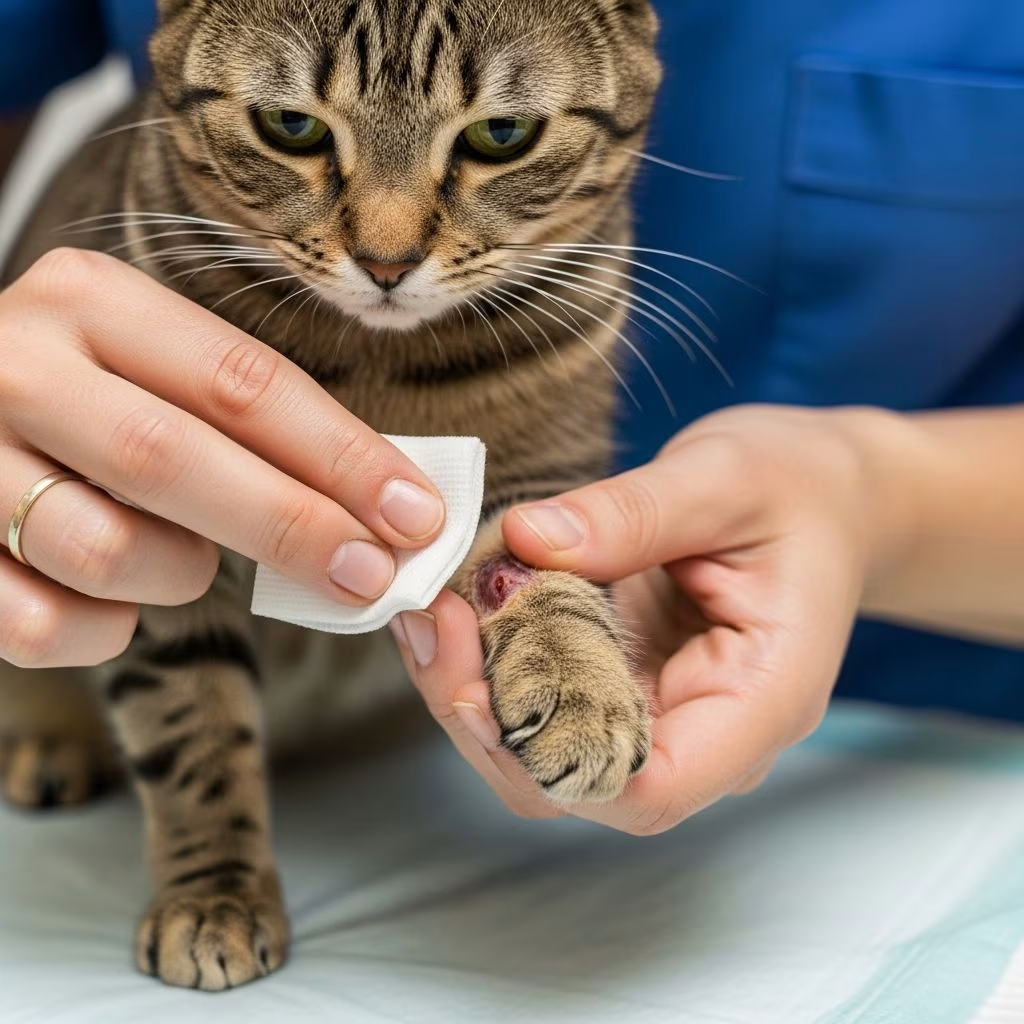
Proper wound management is crucial for cats, as even minor injuries can lead to serious infections due to their grooming habits and exposure to bacteria from fights or outdoor scratches. This guide provides cat owners with a complete roadmap for initial response, professional treatment, and ongoing care to ensure optimal recovery.
Recognizing Common Cat Injuries
Cats frequently sustain wounds from territorial disputes, falls, or accidents. Bite wounds from other animals often penetrate deeply, creating pockets for pus formation known as abscesses. Scratches and lacerations appear as linear cuts, while punctures may not show much external damage but harbor internal contamination. Early detection involves checking for swelling, heat, discharge, or behavioral changes like limping or hiding.
- Bite wounds: Deep punctures that seal quickly, trapping bacteria.
- Lacerations: Jagged tears requiring cleaning to remove debris.
- Abrasions: Surface scrapes prone to dirt accumulation.
- Abscesses: Swollen, pus-filled areas needing drainage.
Assess severity by depth, location, and bleeding extent. Superficial wounds might heal with home care, but anything deeper than 1/4 inch, involving joints, or showing infection signs demands veterinary attention.
Immediate First Aid Steps
When you discover a wound, act swiftly but calmly to stabilize your cat. The priority is controlling bleeding while minimizing stress.
Stopping the Bleed
Apply firm, direct pressure using a clean gauze pad or cloth for 10-15 minutes. Elevate the limb above heart level if possible to reduce blood flow. Avoid peeking frequently, as this disrupts clot formation. If bleeding persists beyond 15 minutes or soaks through multiple layers, rush to an emergency vet.
| Wound Type | Bleeding Control Time | Next Action if Uncontrolled |
|---|---|---|
| Superficial Scratch | 5-10 minutes | Monitor at home |
| Deep Laceration | 10-15 minutes | Vet visit |
| Puncture or Arterial Bleed | Immediate | Emergency care |
Preventing Further Contamination
Keep the area dry and discourage licking, which introduces saliva bacteria. Use a cone collar if available, but do not bandage at home without guidance, as improper wrapping can cause tissue damage. Transport your cat in a secure carrier to avoid self-trauma en route to the vet.
Professional Wound Cleaning Procedures
Veterinarians follow a systematic approach to debride and disinfect wounds, often under sedation for your cat’s comfort and thoroughness.
- Clipping and Initial Prep: Hair around the wound is shaved after applying a sterile lubricant to prevent contamination.
- Debridement: Foreign matter, dead tissue, and visible debris are meticulously removed to expose healthy layers.
- Lavage: High-volume flushing with sterile saline, chlorhexidine, or diluted povidone-iodine under pressure (e.g., via 20-mL syringe and 18-gauge needle) reduces bacterial load.
- Drainage for Abscesses: Incision to release pus, followed by flushing and possible drain placement to allow ongoing drainage.
- Closure Decision: Clean, low-contamination wounds may be sutured, stapled, or glued; heavily infected ones are left open.
Sedation or general anesthesia ensures pain control and immobility, allowing precise work. Antibiotics and pain meds are standard post-procedure.
Home Cleaning Techniques for Minor Wounds
For shallow injuries cleared by your vet, gentle daily maintenance supports healing. Always follow professional instructions.
- Solution Preparation: Mix saline (1 tsp salt per 2 cups warm water) or use vet-recommended chlorhexidine dilute. Avoid hydrogen peroxide, alcohol, or soaps, which damage tissue.
- Cleaning Method: Flush gently with a syringe, pat dry, and massage edges to promote drainage without rubbing.
- Topicals: Apply only vet-approved gels like antimicrobial hydrogels; manuka honey may be suggested for its antibacterial properties.
Clean once or twice daily, monitoring for clear vs. purulent discharge. Green, yellow, or bloody fluid persisting over days warrants a recheck.
Post-Treatment Monitoring and Care
Healing timelines vary: superficial wounds mend in 7-10 days, deeper ones in 2-4 weeks. Reduce activity, confine indoors, and use protective gear.
Daily Checks
Inspect for redness, swelling, foul odor, or increased discharge. Keep bandages dry; change as directed, typically every 1-2 days.
Preventing Self-Injury
Buster collars, medical suits, or bitter sprays deter licking. Complete all prescribed antibiotics to combat hidden infections.
- Swelling or heat increase
- Pus or foul-smelling discharge
- Lethargy or fever
- Wound reopening
- Refusal to eat
Advanced Wound Management Strategies
For complex cases, vets may employ bandages with multiple layers: non-adherent contact, absorbent padding, and outer wrap. Drains prevent premature closure in abscesses. In chronic non-healers, techniques like negative pressure therapy or skin grafts come into play, though rare in felines.
Pain management enhances recovery; cats mask discomfort, so observe for subtle signs like reduced appetite or aggression.
Prevention Tips for Future Incidents
Minimize risks by keeping cats indoors or supervised outdoors. Neuter to reduce fighting. Maintain up-to-date vaccines and regular check-ups. Microchipping aids recovery if your cat goes missing post-injury.
Frequently Asked Questions (FAQs)
Can I clean a cat wound with hydrogen peroxide?
No, it damages healthy tissue and delays healing. Stick to saline or vet-approved solutions.
How long should I keep the cone on my cat?
Typically 7-14 days or until sutures dissolve/removed, per vet advice.
What if my cat removes the bandage?
Prevent with a suit or recovery collar; contact vet for re-bandaging if needed.
Is it normal for wounds to ooze a bit?
Clear or slight bloody discharge yes; thick, colored pus no—seek vet care.
Do all cat wounds need antibiotics?
Not superficial clean ones, but most bites/abscesses do to fight bacteria.
Equipped with these strategies, cat owners can confidently handle wounds, fostering quicker, safer recoveries.
References
- Cleaning wounds in cats | Health A-Z — Joii Pet Care. 2023. https://www.joiipetcare.com/blogs/procedures-and-medication/cleaning-wounds-in-cats
- Care of Open Wounds in Cats — VCA Animal Hospitals. 2023. https://vcahospitals.com/know-your-pet/care-of-open-wounds-in-cats
- Cat Wound Care — South Hillsdale Animal Hospital. 2024-04-30. https://www.southhillsdaleah.com/site/blog/2024/04/30/cat-wound-care
- Cat Wound Care 101: The Complete Guide — Rivergate Veterinary Clinic. 2022-04-30. https://www.rivergateveterinaryclinic.com/site/blog/2022/04/30/cat-wound-care-complete-guide
- Initial Wound Management in Small Animals — Merck Veterinary Manual. 2023. https://www.merckvetmanual.com/emergency-medicine-and-critical-care/wound-management-in-small-animals/initial-wound-management-in-small-animals



