

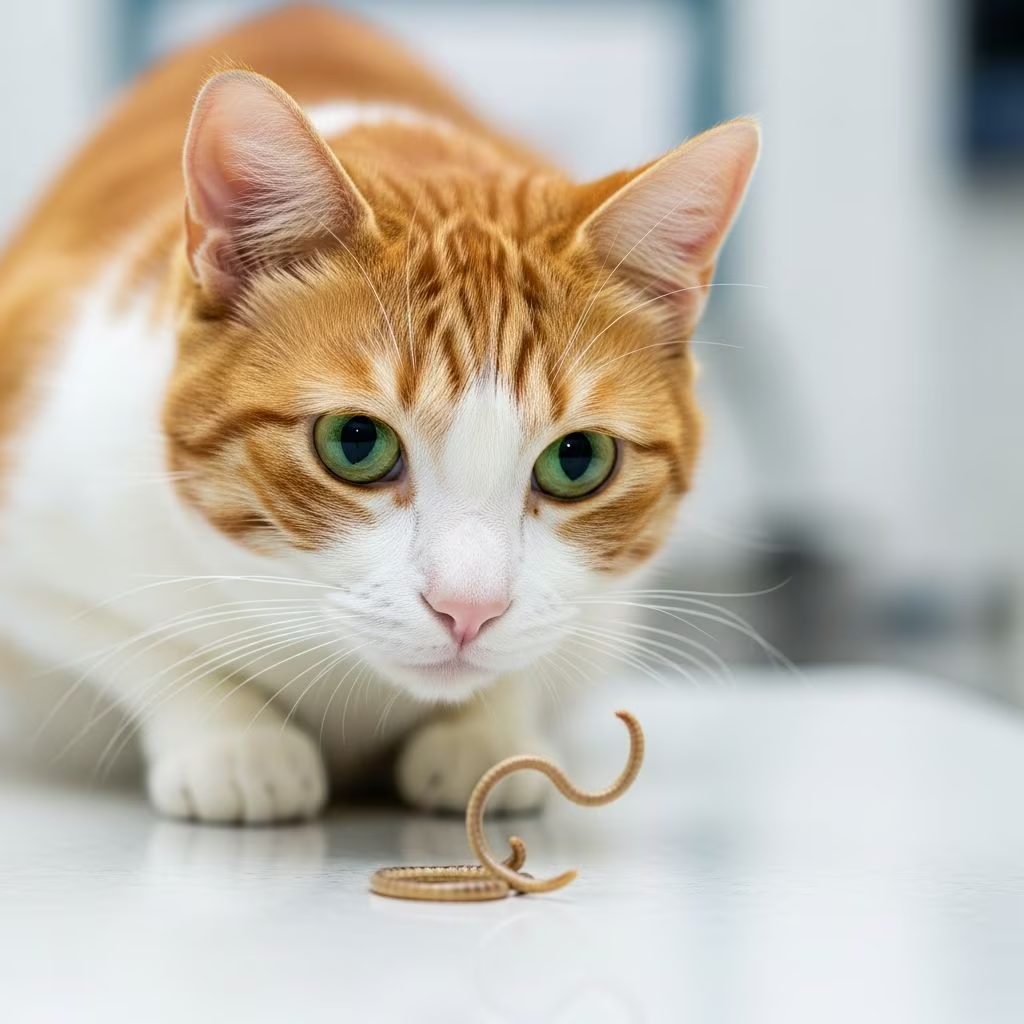
Intestinal worms represent one of the most prevalent health threats to cats, affecting up to 75% of some populations, particularly kittens. These parasites can lead to severe complications like anemia, malnutrition, and increased susceptibility to other infections if left unchecked. Understanding the lifecycle, transmission routes, clinical signs, and management options is crucial for every cat owner.
Why Intestinal Parasites Matter in Feline Health
Gastrointestinal parasites compromise a cat’s ability to absorb nutrients, leading to widespread effects on growth, energy levels, and immunity. Kittens are especially vulnerable, with infections often passed from mother to offspring via milk or placenta. Adult cats acquire them through hunting, grooming, or environmental contact. Early intervention prevents life-threatening issues such as intestinal blockages or respiratory distress from migrating larvae.
Primary Types of Worms Infesting Cats
Cats host several worm species, each with unique characteristics and impacts. Familiarity with these helps in prompt recognition.
- Roundworms (Toxocara cati and Toxascaris leonina): These spaghetti-like nematodes reside in the intestines, measuring 3-5 inches. They affect 25-75% of cats, thriving by consuming the host’s digested food. Eggs passed in feces become infective after days to weeks.
- Hookworms (Ancylostoma tubaeforme): Tiny parasites that latch onto intestinal walls, drawing blood and causing anemia. Not visible easily, they lead to pale gums and weakness, especially in young cats.
- Tapeworms (Dipylidium caninum, Taenia species): Segmented flatworms transmitted via fleas or prey like rodents. Segments resemble rice grains around the anus, causing irritation and scooting behavior.
- Whipworms (Trichuris species): Less common, these provoke bloody diarrhea and weight loss through colonic inflammation.
- Stomach Worms (Ollulanus tricuspis): Rare in household cats but prevalent in multi-cat settings; they induce vomiting and appetite loss via gastric irritation.
Transmission Pathways: How Cats Contract Worms
Parasites enter via multiple routes, emphasizing hygiene and outdoor access control.
| Worm Type | Transmission Methods |
|---|---|
| Roundworms | Milk from infected queen, ingestion of eggs/larvae from soil/feces, eating rodents/beetles/earthworms |
| Hookworms | Skin penetration by larvae, oral ingestion, transplacental/milk transmission |
| Tapeworms | Flea ingestion (intermediate host), hunting infected prey |
| Whipworms/Stomach Worms | Fecal contamination, vomit ingestion in colonies |
Free-roaming cats face higher risks due to soil contact and predation. Indoor cats aren’t immune, as eggs persist in environments for months.
Recognizing Infections: Key Symptoms to Watch For
Signs vary by worm type, load, and cat age, often subtle initially. Vigilance saves lives, particularly in kittens showing potbellied appearances.
- Diarrhea (soft, bloody, or mucoid), vomiting with visible worms
- Weight loss, poor appetite, lethargy, dull coat
- Distended abdomen, scooting (tapeworm segments)
- Pale gums, anemia (hookworms), coughing (lung migration)
- Dehydration, weakness in severe cases
Symptomless carriers exist, underscoring routine screening’s importance.
Diagnostic Approaches by Veterinary Professionals
Veterinarians rely on fecal flotation to detect eggs, distinguishing types by shape (e.g., oval hookworm eggs). Multiple samples may be needed due to intermittent shedding. Blood tests assess anemia, while imaging rules out blockages. Early diagnosis via annual check-ups prevents escalation.
Treatment Protocols: Eliminating Worms Effectively
Dewormers target specific parasites; never self-medicate.
- Broad-Spectrum Options: Fenbendazole, pyrantel pamoate for round/hookworms; praziquantel for tapeworms. Repeat doses 2-3 weeks apart kill larvae.
- Kitten Regimens: Multiple treatments in first 3 months.
- Supportive Care: Fluids for dehydration, nutrition for recovery.
Consult vets for tailored plans, as resistance emerges in some areas.
Prevention Strategies: Keeping Parasites at Bay
Proactive measures drastically reduce incidence.
- Monthly dewormers (e.g., heartworm preventives covering roundworms).
- Flea control to block tapeworm cycles.
- Indoor living, prompt litter hygiene, rodent-proofing.
- Kitten deworming schedules, queen treatment pre-breeding.
- Regular vet fecal exams.
Special Considerations for Kittens and Seniors
Kittens suffer most: heavy loads cause hypoglycemia, pneumonia. Deworm at 2, 4, 6, 8 weeks, then monthly. Seniors face compounded risks with comorbidities; biannual checks advised.
Zoonotic Risks: Protecting Human Family Members
Roundworms (Toxocara cati) pose human risks via fecal eggs contaminating soil/play areas. Children, gardeners vulnerable to larval migration (visceral larva migrans). Hygiene, prompt deworming mitigate threats.
FAQs on Feline Worm Management
Can indoor cats get worms?
Yes, via fleas, contaminated litter, or vertical transmission.
How often should I deworm my cat?
Kittens: every 2 weeks until 8 weeks, then monthly; adults: quarterly or per vet advice.
Are over-the-counter dewormers safe?
Not always; vet-prescribed ensure efficacy/safety.
What if I see worms in my cat’s stool?
Collect sample, seek immediate vet care.
Do worms cause hairballs?
Indirectly, via poor nutrition/dehydration worsening grooming issues.
Long-Term Monitoring and Holistic Care
Beyond treatments, balanced diets bolster immunity. Observe stool quality, weight, vitality monthly. Annual wellness exams catch subclinical infections. By integrating prevention, cats thrive worm-free.
References
- Worms (Internal Parasites) in Cats: Everything You Need to Know — Long Beach Animal Hospital. Accessed 2026. https://lbah.com/feline/internal-parasites-in-cats/
- Everything You Need to Know About Worms in Cats — Small Door Veterinary. Accessed 2026. https://www.smalldoorvet.com/learning-center/medical/worms-in-cats
- Worms in Cats – PetMD — PetMD. Accessed 2026. https://www.petmd.com/cat/conditions/infectious-parasitic/worms-cats
- Worms in Cats – Feline Friends — Feline Friends. Accessed 2026. https://www.feline-friends.org.uk/topics/worms-in-cats/
- Worms in Kittens: Symptoms & Treatment — Peak Veterinary. Accessed 2026. https://www.peakveterinary.com/blog/worms-in-kittens-symptoms-treatment
- Gastrointestinal Parasites of Cats — Cornell University College of Veterinary Medicine. 2023. https://www.vet.cornell.edu/departments-centers-and-institutes/cornell-feline-health-center/health-information/feline-health-topics/gastrointestinal-parasites-cats
- Gastrointestinal Parasites of Cats – Merck Veterinary Manual — Merck & Co., Inc. Accessed 2026. https://www.merckvetmanual.com/cat-owners/digestive-disorders-of-cats/gastrointestinal-parasites-of-cats



