

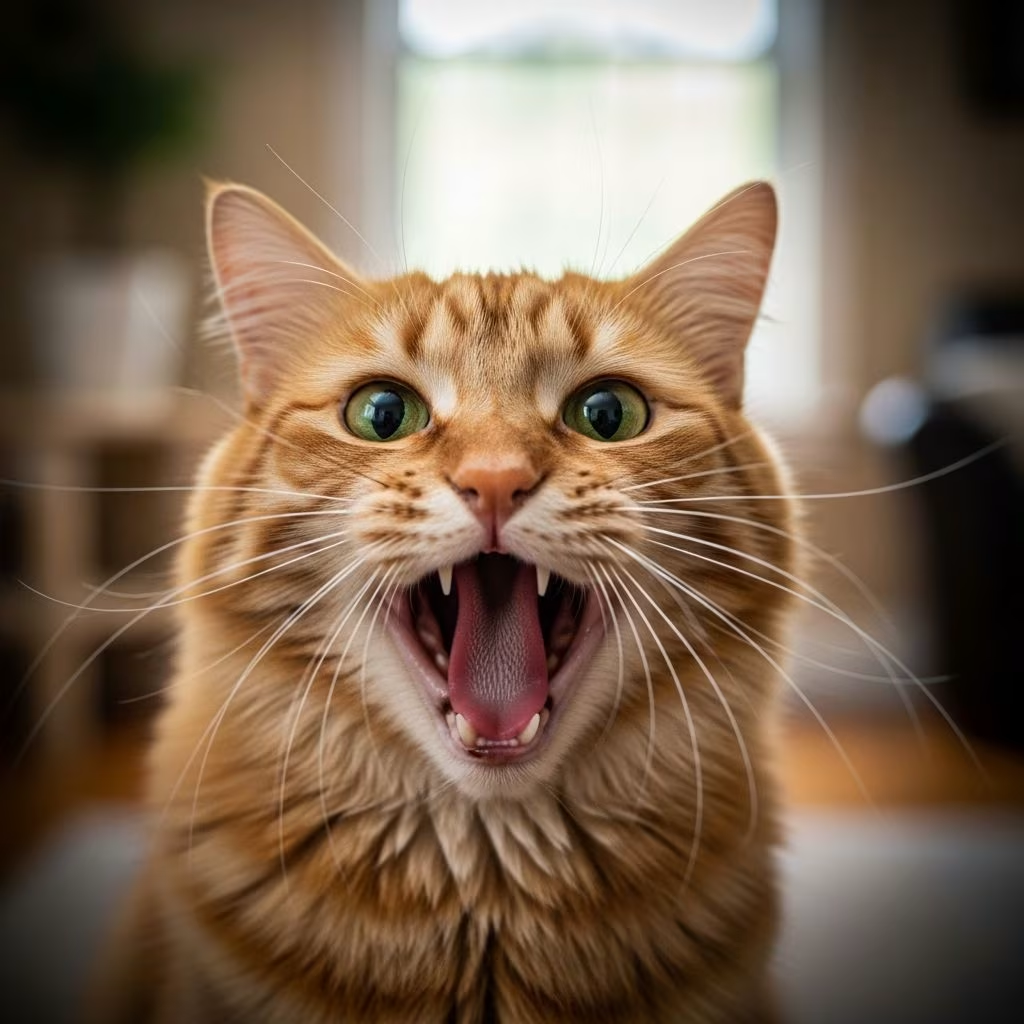
Why Your Cat Won’t Stop Meowing: A Comprehensive Guide
If your cat seems to be constantly meowing, you’re not alone in this frustration. Excessive cat vocalization is one of the most common behavioral concerns cat owners face. While meowing is a normal form of feline communication, when it becomes persistent, disruptive, or distressed, it signals that something needs your attention. Understanding the root cause of excessive meowing is the first step toward finding an effective solution.
Cats communicate through meowing for various reasons, and what seems like incessant noise may actually be your cat’s way of telling you something important. The key to addressing this issue lies in determining whether the excessive meowing stems from a medical condition, behavioral factors, or environmental stressors.
Medical Causes of Excessive Cat Meowing
Before assuming your cat’s meowing is purely behavioral, it’s crucial to rule out underlying medical conditions. Many serious health issues present themselves through increased vocalization, and identifying these early can prevent complications.
Hyperthyroidism: The Most Common Culprit
Hyperthyroidism is one of the most prevalent endocrine disorders in senior cats, particularly those over seven years old. This condition occurs when the thyroid gland produces excessive hormones, dramatically speeding up the cat’s metabolism. Cats with hyperthyroidism become restless, hyperactive, and extremely vocal, often meowing more frequently, especially at night. The constant state of high drive makes it difficult for affected cats to settle down or find comfort.
Beyond excessive meowing, cats with hyperthyroidism typically display several other telltale symptoms including weight loss despite increased appetite, increased thirst, more frequent urination, vomiting, diarrhea, and a disheveled appearance with tangled or matted fur. Because this condition affects the entire body’s functions, the discomfort and confusion it causes directly translates into increased vocalization. Diagnosis requires simple bloodwork to measure thyroid hormone levels, and treatment options include medication, radioactive iodine therapy, or specialized dietary management, all of which can significantly reduce vocalization and restore quality of life.
Hypertension and Neurological Changes
High blood pressure, or feline hypertension, often develops secondary to kidney disease or hyperthyroidism. When blood pressure elevates, it affects the brain, eyes, and kidneys, causing disorientation, vision changes, and profound restlessness. Cats experiencing hypertension may vocalize more frequently and intensely, appearing confused, anxious, or distressed, particularly during nighttime hours when the house is quiet and their agitation becomes more noticeable.
Dental Disease and Oral Pain
Dental disease is another frequent medical cause of excessive meowing that many cat owners overlook. Fractured teeth, gum infections, and resorptive lesions cause significant oral pain that makes eating, grooming, and swallowing difficult. When your cat experiences dental pain, they may cry out when moving their jaw, eating, or being touched around the face and mouth area. Regular dental examinations can identify these issues before they become severe.
Urinary Issues and Blockages
Urinary problems represent some of the most urgent medical emergencies in cats. Urinary blockages are life-threatening conditions that cause cats to cry in the litter box or vocalize urgently and desperately when attempting to urinate. If your cat is meowing in distress while in the litter box, straining to urinate, or displaying any signs of urinary discomfort, seek veterinary attention immediately. This is not a situation to monitor at home.
Gastrointestinal Discomfort
Various digestive issues can trigger excessive meowing as your cat attempts to communicate their discomfort. Constipation, inflammatory bowel disease, pancreatitis, and other gastrointestinal conditions cause pain and distress that manifest through increased vocalization. If your cat’s meowing accompanies changes in litter box habits, vomiting, or loss of appetite, gastrointestinal issues may be the underlying cause.
Pain as a Universal Medical Trigger
Pain is one of the most common medical causes of excessive meowing across all health conditions. Cats in pain may cry when moving, being touched, or using the litter box. Arthritis and joint pain are particularly prevalent in senior cats and significantly impact their quality of life and vocalization patterns. Recognizing common pain signs—such as decreased activity, reluctance to jump, changes in grooming habits, or altered eating behaviors—helps you identify when your cat needs immediate veterinary attention.
Behavioral and Environmental Causes
Once medical conditions have been ruled out through veterinary examination, behavioral and environmental factors often explain excessive meowing. Cats are creatures of habit, and disruptions to their routine or environment can trigger vocal protests and distress.
Stress and Anxiety Triggers
Cats are highly sensitive to environmental changes. Moving to a new home, introducing new pets or family members, altering daily routines, or even rearranging furniture can cause significant stress. Multi-cat households may experience territorial disputes that lead to increased vocalization as cats attempt to assert dominance or express anxiety about sharing space. Each cat has unique stress thresholds, and what bothers one cat may not affect another.
When experiencing stress, cats may meow excessively to seek reassurance, express their discomfort, or communicate their need for space and security. Creating a calm, predictable environment with hiding spots, vertical spaces, and consistent routines helps reduce anxiety-driven vocalization. In some cases, pheromone sprays like Feliway can help soothe stressed cats by mimicking natural calming feline pheromones.
Boredom and Lack of Mental Stimulation
Indoor cats require substantial mental and physical stimulation to maintain contentment. Without appropriate outlets for their natural instincts, cats may meow excessively to express frustration, demand attention, or communicate their boredom. This attention-seeking vocalization becomes reinforced if owners respond immediately to every meow, essentially training their cats that meowing gets results.
Enrichment is essential for indoor cats. Providing vertical spaces such as cat trees and wall-mounted shelves, window perches for bird watching, interactive toys, puzzle feeders, and rotating toy selection keeps cats mentally engaged. Hunting toys satisfy natural predatory instincts, while puzzle toys and foraging toys provide mental challenges that tire cats out more effectively than physical exercise alone.
Attention-Seeking Behavior
Cats may meow excessively simply because they’re lonely or seeking attention. If your cat is alone for many hours during the day, they may vocalize to communicate their isolation. Some cats benefit from having a companion cat, while others do well with visits from pet sitters or trusted friends. Quality time spent playing, grooming, and interacting with your cat reduces attention-seeking meowing and strengthens your bond.
Hunger and Food-Related Meowing
Some cats meow persistently around feeding times or whenever they feel hungry. If your cat isn’t prone to overeating, leaving dry food available throughout the day allows them to eat according to their natural grazing instincts. For cats that are overweight or prone to overeating, consult your veterinarian about high-fiber diet foods that provide satiation on fewer calories. A water fountain may also help if your cat complains about their water bowl, as many cats prefer fresh, flowing water.
Reproductive Behavior in Unaltered Cats
Intact male and female cats vocalize extensively during reproductive cycles. A male cat that isn’t neutered may pace and meow relentlessly if he hears or smells a female cat in heat. The constant drive to find a mate creates intense vocalization that won’t cease until the cat is neutered. Spaying female cats eliminates heat cycles and their associated yowling, while neutering males eliminates reproductive vocalization. These procedures offer numerous health and behavioral benefits beyond reducing meowing.
Age-Related Changes and Cognitive Decline
Senior cats often experience cognitive changes that lead to increased vocalization. Older cats may lose their ability to see, hear, and process information as clearly as they once did. This sensory decline causes confusion and disorientation, leading to excessive meowing, particularly at night when the environment seems more uncertain and frightening. Cognitive dysfunction syndrome in cats presents with disorientation, changes in sleep-wake cycles, altered interactions, and increased vocalization. Fortunately, medications and environmental modifications can help senior cats feel more comfortable and reduce anxiety-related meowing.
Recognizing Red Flags: When Meowing Becomes a Concern
While some meowing is normal, certain patterns indicate that professional help is needed:
- Sudden increases in frequency or intensity of meowing
- Meows that sound painful, desperate, panicked, or distressed
- Nighttime crying that disrupts your sleep and the cat’s rest
- Vocalizations that don’t respond to attention, food, comfort, or environmental changes
- Meowing accompanied by other behavioral or physical changes
Steps to Take: From Diagnosis to Solution
Schedule a Comprehensive Veterinary Examination
The first and most important step when your cat won’t stop meowing is to schedule a thorough veterinary examination. Your veterinarian will perform a complete physical exam to check for pain, dental disease, and organ dysfunction. Bloodwork evaluates thyroid function, kidney health, metabolic status, and other crucial parameters. Advanced diagnostics such as digital X-rays, ultrasound, and blood pressure monitoring provide immediate answers about your cat’s health status.
Keep a Behavior Log
To help identify patterns and triggers, keep a detailed log of your cat’s meowing. Note the time of day, what your cat was doing before and during the meowing, what you were doing, and what finally stopped the meowing. Over time, patterns emerge that reveal whether the meowing correlates with specific times, activities, sounds, or needs. This information proves invaluable during veterinary consultations.
Environmental Modifications
Once medical causes are ruled out, modify the environment to reduce stress and increase enrichment. Ensure fresh water is always available, the litter box is clean and accessible, and your cat has quiet spaces for retreat. Introduce new enrichment gradually, and avoid abrupt changes that may increase anxiety. For cats recently moved to a new home, allow several weeks or months for full adaptation before expecting vocalization to normalize completely.
Behavior Modification Strategies
Fixing cat behavior problems requires consistency and patience. Avoid reinforcing meowing by responding immediately to demands—this teaches your cat that meowing works. Instead, reward quiet behavior with attention, treats, and affection. Give your cat attention during calm moments rather than during meowing episodes. Increase playtime to at least 15-30 minutes daily to tire out your cat and reduce boredom-related vocalization.
Consider Professional Support
If excessive meowing persists despite your best efforts, consult an animal behaviorist or your veterinarian for specialized guidance. Some cats benefit from anxiety-reducing supplements or medications prescribed by veterinarians. Your vet can recommend specific strategies tailored to your cat’s unique situation and personality.
Frequently Asked Questions
Q: Is it normal for cats to meow a lot?
A: Cats naturally vocalize to communicate, but excessive meowing that’s persistent, distressed, or disruptive represents a change that warrants investigation. Some cat breeds are naturally more vocal than others, but sudden increases in meowing always deserve attention.
Q: When should I take my meowing cat to the vet?
A: Schedule a veterinary appointment if your cat is meowing more than usual, especially if it’s a sudden change. Any cat meowing excessively needs evaluation to rule out medical conditions, particularly cats older than seven years old.
Q: How can I stop my cat from meowing at night?
A: Nighttime meowing often stems from boredom, anxiety, or medical issues like hyperthyroidism. Increase daytime enrichment and playtime, ensure your cat’s medical needs are met, and maintain a calm nighttime routine. Some cats respond well to pheromone products or supplements recommended by your veterinarian.
Q: Will spaying or neutering reduce meowing?
A: Yes, if your cat meows due to reproductive behaviors. Spaying eliminates heat-related yowling in females, and neutering eliminates reproductive vocalization in males. These procedures offer multiple health benefits beyond reducing meowing.
Q: How do I know if my cat is meowing due to pain?
A: Painful meowing often sounds desperate or panicked and may accompany other signs like reluctance to move, decreased grooming, changes in eating, or altered litter box habits. Cats in pain may cry when being touched or moving. Veterinary examination is essential to identify and treat painful conditions.
Q: Can supplements help reduce excessive meowing?
A: Some cats benefit from calming supplements or medications prescribed by veterinarians, particularly those experiencing anxiety or cognitive changes. Always consult your vet before introducing any supplements to ensure they’re appropriate for your cat’s specific situation.
Q: What enrichment helps reduce attention-seeking meowing?
A: Window perches for bird watching, vertical cat trees, puzzle feeders, rotating toy selection, and interactive play sessions all provide mental and physical stimulation. Foraging toys, hunting toys, and puzzle feeders engage your cat’s natural instincts and reduce boredom-related vocalization.
References
- Why Is My Cat Meowing So Much? Exploring Excessive Vocalization in Cats — Advanced VMC. 2025. https://advancedvmc.net/why-is-my-cat-meowing-so-much-exploring-excessive-vocalization-in-cats/
- What Does Excessive Meowing Mean in Cats — WebMD. 2024. https://www.webmd.com/pets/cats/cats-excessive-meowing
- Why Is My Cat Meowing So Much? — PetMD. 2024. https://www.petmd.com/cat/behavior/cat-meowing
- Meowing and Yowling — ASPCA. 2024. https://www.aspca.org/pet-care/cat-care/common-cat-behavior-issues/meowing-and-yowling



