
Why Won’t My Cat Eat? Causes, Warning Signs, What To Do
Understanding why your cat refuses food and how to address behavioral and medical causes.
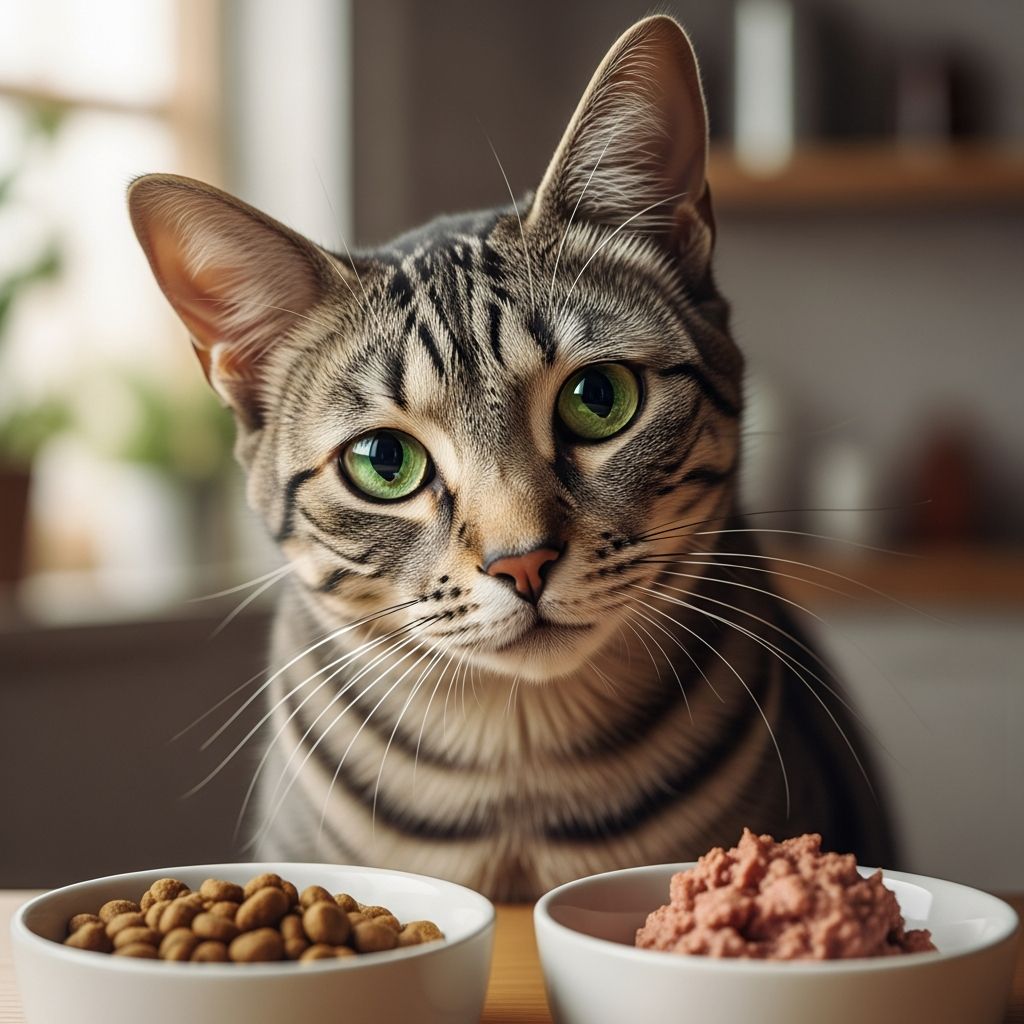
Understanding Feline Picky Eating
Cats are known for their discerning palates and particular eating habits. While some cats eagerly devour whatever is placed in their bowl, others seem to reject food without explanation. If you find yourself struggling with a feline that won’t eat or constantly refuses meals, you’re not alone. Many cat owners face the challenge of picky eaters, and understanding the underlying causes is the first step toward finding a solution.
Picky eating in cats can stem from numerous factors, ranging from simple behavioral preferences to serious medical conditions. The key to addressing this issue is determining whether your cat is being deliberately selective about food or if there’s an underlying health concern that needs attention. This distinction is crucial because the appropriate response differs significantly depending on the cause.
Is It Behavioral?
You may have inadvertently created a picky eater by taking advantage of the huge variety of cat foods available in today’s market. There are different kibble flavors and sizes, different textures and flavors of canned foods, pouches of semi-moist food, and freshly packaged meals in the refrigerator section of grocery or pet stores. For some cats, too much of a good thing is not necessarily beneficial, and it can lead to cats learning to hold out for their favorites.
Behavioral picky eating typically occurs when cats have been exposed to numerous food options and have learned to be selective. This type of eating pattern is often reinforced when owners continuously switch between different foods hoping to find something their cat will eat. The more variety you offer, the more opportunity your cat has to develop preferences for specific flavors or textures.
Another behavioral consideration involves food presentation and feeding routines. Cats can develop preferences for specific bowls, feeding locations, and times. Changes to any of these elements can sometimes trigger a period of pickiness as your cat adjusts to the new routine.
Medical Causes of Appetite Loss
While behavioral factors play a role in some cases of picky eating, medical conditions are often the true culprits behind sudden changes in appetite. It’s essential to rule out health issues before assuming your cat is simply being difficult about food.
Dental Disease
Dental disease is one of the most common medical reasons cats refuse to eat. This condition can be painful and lead to a cat not wanting to eat. Dental disease can occur below the gums, which is not visible to our eyes. Even if your cat’s teeth look healthy on the surface, an oral exam is a good idea to detect hidden problems. Painful gums, loose teeth, or oral infections can make chewing uncomfortable or unbearable, causing your cat to avoid food altogether.
Kidney Disease
Kidney disease is one of the most common ailments in cats, particularly in older cats. Elevations in kidney values, such as urea, can make your cat feel unwell and affect their appetite. Cats with kidney disease often experience nausea and discomfort, which naturally diminishes their desire to eat. This condition requires veterinary diagnosis through blood work and appropriate management to help your cat maintain adequate nutrition.
Gastrointestinal Issues
Various gastrointestinal problems can cause your cat to refuse food or become selective about what they eat. These issues might include inflammatory bowel disease (IBD), irritable bowel syndrome (IBS), parasites, gastroenteritis, pancreatitis, or even cancer such as intestinal lymphoma. Foreign bodies that your cat may have accidentally ingested can also block the movement of food through the intestines, causing discomfort and loss of appetite.
Hepatic Lipidosis
Hepatic lipidosis, also known as fatty liver disease, is a life-threatening illness that most commonly occurs in overweight or obese cats that stop eating for several days. This condition develops rapidly and requires immediate veterinary intervention. If your cat stops eating for an extended period, particularly if they are overweight, this is a medical emergency.
Arthritis and Pain
If your cat is a senior and is experiencing pain from arthritis, it may be too uncomfortable to get up to the food dish as often. Pain from injuries or other conditions can also make your cat feel too unwell to eat. Managing pain through veterinary treatment can help restore your cat’s appetite and willingness to eat regularly.
Upper Respiratory Infections
A feline upper respiratory infection is similar to the common cold in humans. A URI or other illness that involves the nasal passages can affect your cat’s sense of smell, which directly impacts their appetite. Cats rely heavily on their sense of smell to enjoy food, so when this is compromised, they lose interest in eating.
When to Seek Veterinary Help
Knowing when to contact your veterinarian is crucial for your cat’s health and safety. While some pickiness is normal, certain signs warrant immediate veterinary attention:
Red Flags That Require Immediate Care
You should contact your veterinarian if your cat exhibits any of the following symptoms:
– Complete food refusal for more than 24 hours- Sudden refusal to eat despite previously having a good appetite- Significant or unexplained weight loss- Lethargy or noticeable behavior changes- Vomiting or diarrhea accompanying food selectivity- Excessive drooling or difficulty eating- Changes in thirst or urination patterns- Hiding or withdrawal behaviors- Difficulty breathing- Loss of appetite lasting more than 48 hours
These warning signs can indicate serious health conditions that require professional diagnosis and treatment. Don’t wait to see if the problem resolves on its own when these symptoms are present.
Food Allergies and Dietary Sensitivities
While food allergies in cats are somewhat uncommon compared to other causes of picky eating, they do occur and can be responsible for reduced appetite. When a cat develops allergies to certain ingredients, it can upset their stomach and make eating uncomfortable. Common food allergy symptoms include vomiting, diarrhea, and skin irritation.
If you suspect your cat has a food allergy, switching to a limited-ingredient diet can make a significant difference. These diets focus on a single protein source and avoid common fillers that may trigger allergies. A limited-ingredient approach also makes it easier to perform an elimination diet, allowing you to pinpoint problematic ingredients more precisely.
Addressing Sudden Changes in Appetite
When your cat suddenly becomes a picky eater, the first step is to assess what has changed. Even minor alterations to your cat’s routine or environment can trigger changes in eating behavior. Consider whether you’ve made any of the following changes:
– Changed your cat’s food brand or formula- Moved the food or water bowls to a different location- Altered feeding schedules or times- Introduced a new pet to the household- Changed household routines significantly- Modified the food temperature- Experienced stressful changes in the home environment
If pickiness persists for more than 48 hours without an obvious environmental cause, a veterinary check-up is essential to rule out medical conditions.
Prevention Strategies for Picky Eating
Preventing future episodes of picky eating starts with understanding your cat’s preferences and maintaining consistency in their feeding routine. Here are evidence-based strategies to help prevent pickiness:
Maintain Food Consistency
Once you find a food your cat enjoys and tolerates well, stick with it. Constantly switching foods teaches your cat to be selective and can cause digestive upset. This consistency helps establish healthy eating patterns and prevents unnecessary pickiness.
Introduce New Foods Gradually
If you need to change your cat’s food for any reason, introduce new foods gradually over 7-10 days. Mix the new food with the current food in increasing amounts, allowing your cat’s digestive system and palate to adjust slowly. This transition period helps prevent both digestive upset and food rejection.
Schedule Regular Veterinary Check-ups
Regular veterinary check-ups can help catch potential health issues before they affect eating habits. Many conditions that lead to picky eating, such as dental disease and kidney issues, can be detected early through professional examination and bloodwork.
Maintain Environmental Stability
Keep feeding locations, bowls, and schedules consistent. Cats thrive on routine, and maintaining stability in their feeding environment reduces stress-related appetite changes.
Monitor Weight and Nutrition
Keep track of your cat’s weight and overall body condition. Regular monitoring helps you notice changes early and allows your veterinarian to make appropriate dietary recommendations.
Special Considerations for Senior Cats
Senior cats have unique nutritional needs and may develop health conditions that affect appetite more readily than younger cats. Kidney disease, thyroid disorders, and arthritis are more common in older felines. If you have a senior cat experiencing picky eating, veterinary evaluation becomes even more important to identify and manage age-related health issues.
Stress and Environmental Factors
Cats are sensitive creatures, and stress can significantly impact their eating habits. Changes in the home environment, introduction of new pets, household guests, or alterations to daily routines can cause your cat to go off their food. Recognizing stress as a potential cause allows you to implement calming strategies such as providing hiding spaces, maintaining consistent routines, and using behavioral counseling if necessary.
Frequently Asked Questions
Q: How can I tell if my cat is truly picky or if there’s a medical problem?
A: The best approach is to observe your cat for warning signs such as vomiting, diarrhea, lethargy, weight loss, or changes in litter box habits. If pickiness is accompanied by any of these symptoms or persists beyond 48 hours, consult your veterinarian to rule out medical issues before assuming behavioral pickiness.
Q: Is it bad to offer my cat different food flavors to find what they like?
A: While variety might seem appealing, too many food options can actually create or reinforce picky eating behaviors. Cats may learn to hold out for their preferred flavors, making them even more selective. It’s better to find one quality food your cat enjoys and maintain consistency.
Q: What should I do if my cat hasn’t eaten for 24 hours?
A: Contact your veterinarian immediately. A 24-hour food refusal can indicate a serious medical condition and requires professional evaluation. Don’t wait to see if the behavior resolves on its own.
Q: Can dental problems really affect a cat’s appetite?
A: Yes, absolutely. Dental disease can be extremely painful, and cats often avoid eating to escape pain. Many dental problems occur beneath the gum line where they’re not visible, so even cats with seemingly healthy teeth may have underlying dental issues. Regular dental check-ups are important for maintaining overall health and appetite.
Q: How do I transition my cat to a new food if they’re a picky eater?
A: Introduce the new food gradually over 7-10 days by mixing it with their current food. Start with a small amount of new food mixed with mostly old food, gradually increasing the proportion of new food. This slow transition minimizes digestive upset and helps picky eaters accept the change.
Q: Are food allergies common in cats?
A: Food allergies are relatively uncommon in cats compared to other causes of picky eating. However, when they do occur, they typically present with gastrointestinal distress, vomiting, diarrhea, or skin irritation. If you suspect a food allergy, a limited-ingredient diet can help identify problematic ingredients.
Q: What is hepatic lipidosis and why is it dangerous?
A: Hepatic lipidosis, or fatty liver disease, is a life-threatening condition that develops when overweight or obese cats stop eating for several days. The body begins to break down fat stores rapidly, overwhelming the liver. This is a medical emergency requiring immediate veterinary intervention and hospitalization.
References
- My Cat Won’t Eat: Feeding Picky Eaters — VCA Animal Hospitals. 2025. https://vcahospitals.com/know-your-pet/feline-picky-eaters
- Cat Suddenly Picky Eater? Causes and Solutions Explained — PetsCare. 2025. https://www.petscare.com/news/post/cat-suddenly-picky-eater-causes
- Why Won’t My Cat Eat? | How To Tell If Your Cat is Picky or Sick — Picky or Sick. 2025. https://www.pickyorsick.com
- Common Reasons Your Cat is Not Eating — Beacon Vets. 2021-12-20. https://www.thebeaconvet.com/site/blog/2021/12/20/common-reasons-your-cat-is-not-eating
- Is Your Cat a Picky Eater, or Is It Something More? — Oz Animal Hospital. 2025. https://ozanimalhospital.com/is-your-cat-a-picky-eater-or-is-it-something-more/
- Why Are Cats Picky Eaters? Everything You Need to Know — KOHA Pet. 2025. https://kohapet.com/blogs/news/cat-picky-eater
- Picky Cat Probs? Here’s What to Do for a Finicky Eater — Meow Mix. 2025. https://www.meowmix.com/cat-care/picky-eater-tips
Similar Articles








Read full bio of medha deb




