

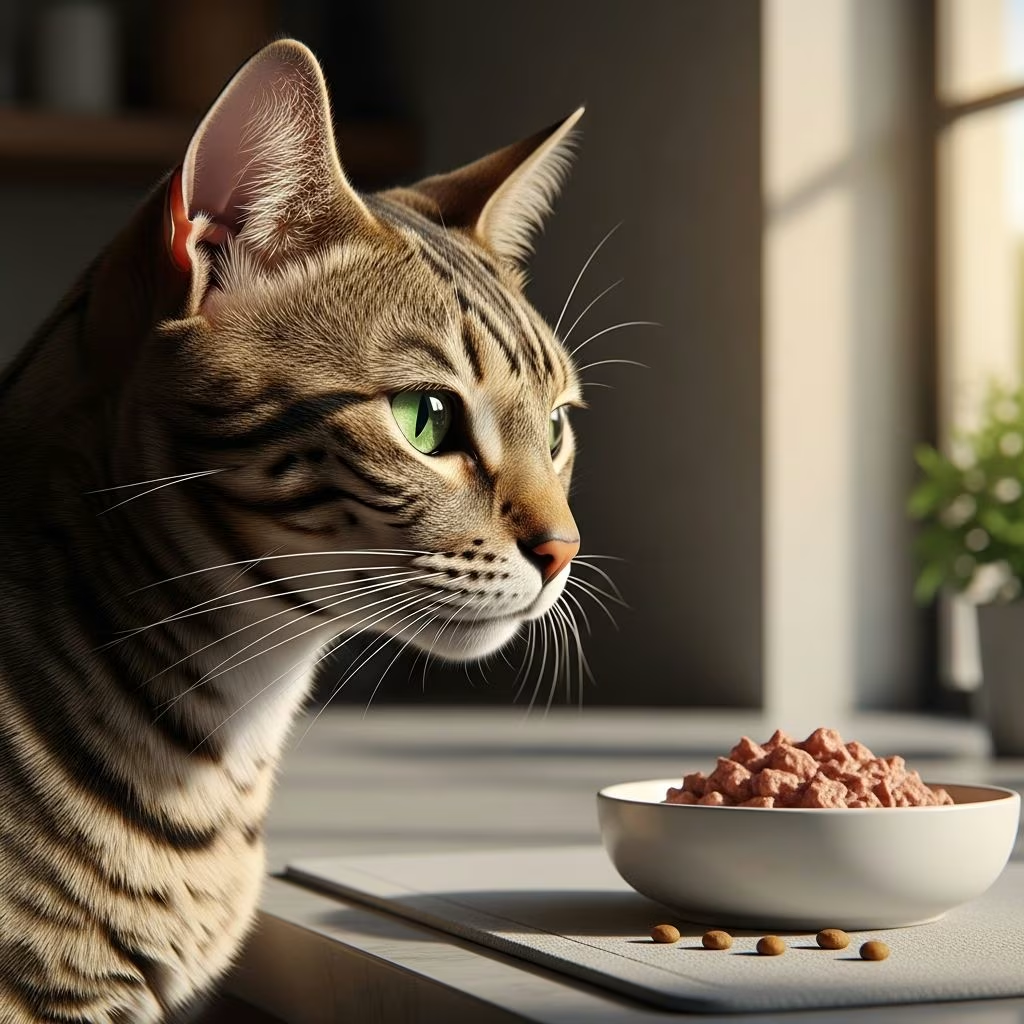
Understanding Feline Picky Eaters: Why Your Cat Won’t Eat
Cats are renowned for their particular tastes and behaviors, and one of the most frustrating challenges cat owners face is dealing with a feline that refuses to eat. Unlike dogs that eagerly consume whatever is placed before them, cats often exhibit selective eating habits that can perplex and worry their owners. Understanding the underlying reasons why your cat won’t eat is the first step toward resolving this common issue and ensuring your pet maintains optimal health and nutrition.
When a cat suddenly becomes a picky eater or consistently refuses meals, it’s essential to recognize that this behavior rarely occurs without reason. Cats communicate through their actions, and refusal to eat can signal anything from minor dietary preferences to serious medical conditions that require immediate veterinary attention. The challenge for pet owners lies in distinguishing between normal feline pickiness and genuine health concerns that demand professional intervention.
Common Reasons Why Cats Become Picky Eaters
Changes in Food and Environment
Cats are creatures of habit, and even minor changes can significantly impact their eating patterns and willingness to consume food. Environmental consistency is crucial for feline comfort and security. Something as simple as switching to a different cat food brand or slightly adjusting the formula of their regular food can trigger selective eating behaviors. Cats possess sensitive palates and may reject food that tastes or smells different from what they’ve grown accustomed to.
Beyond food composition, cats are also particular about food temperature. Many cats prefer their meals served slightly warmed to room temperature rather than straight from the refrigerator. Cold food can be unappealing and difficult for cats to digest properly. Additionally, the location where you place the food bowl matters significantly. Moving food bowls to new locations, introducing new pets into the household, or changing feeding schedules can all contribute to sudden pickiness and refusal to eat.
Environmental stressors such as household renovations, new family members, visiting guests, or even subtle changes in daily routine can impact your cat’s willingness to eat. Cats are sensitive creatures that thrive on predictability and consistency. When their environment feels unstable or threatening, they may respond by refusing food as a stress response.
Medical Issues That Affect Appetite
When a cat suddenly becomes a picky eater, medical concerns should always be considered as a primary cause. Many serious health conditions present their initial symptoms through changes in eating habits. Understanding these medical factors is crucial for early detection and treatment.
Dental Disease: One of the most common yet overlooked causes of feline food refusal is dental disease. This condition can be extremely painful and lead to cats avoiding food altogether. Dental disease often occurs below the gum line, making it invisible during casual observation. Even if your cat’s teeth appear healthy on the surface, hidden dental problems may be causing significant discomfort during eating. Statistics show that dental disease affects up to 85% of cats over three years old, making it a leading cause of sudden food selectivity. A thorough oral examination by a veterinarian is essential to rule out this common issue.
Kidney Disease: Kidney disease is one of the most prevalent health conditions in cats, particularly among senior felines. This disease causes elevations in kidney values, such as urea, which can make your cat feel unwell and significantly affect their appetite. Cats with kidney disease often experience extreme nausea, which creates a strong aversion to eating. Additional symptoms include frequent urination and excessive thirst. Kidney disease is particularly common in cats over seven years of age and requires prompt veterinary diagnosis and treatment.
Gastrointestinal Issues: Various gastrointestinal problems can cause cats to refuse food. These conditions may include parasites, foreign objects such as string in the digestive tract, gastroenteritis, pancreatitis, colitis, or even cancer. Cats suffering from gastrointestinal distress often show accompanying symptoms such as weight loss, vomiting, diarrhea, or constipation. These conditions make eating uncomfortable and may create negative associations with food.
Upper Respiratory Infections: A feline upper respiratory infection (URI) is similar to the common cold in humans. URIs and other illnesses that affect the nasal passages can impact your cat’s sense of smell, which directly affects appetite. When cats cannot smell their food properly, they lose interest in eating, even if the food is nutritionally sound and palatable.
Foreign Bodies: If your cat accidentally ingested something they shouldn’t have, such as a toy, string, or other object, it could be blocking the movement of food through the intestines. This serious condition causes significant discomfort and loss of appetite and requires immediate veterinary attention.
Arthritis: Senior cats experiencing arthritis may find it too uncomfortable to get up and walk to their food dish as frequently as needed. Chronic pain from arthritis can make eating an unpleasant experience, leading to decreased food intake and potential malnutrition. Pain management and comfortable feeding arrangements become increasingly important for aging cats.
Hepatic Lipidosis (Fatty Liver Disease): This is a life-threatening condition most commonly occurring in overweight or obese cats that stop eating for several days. The condition develops when cats metabolize fat too quickly, leading to fat accumulation in the liver. This serious illness requires immediate veterinary intervention and can develop rapidly if eating refusal continues.
Food Allergies and Sensitivities
Some cats may be picky eaters due to food allergies or sensitivities to specific ingredients. Cats can develop allergies to certain proteins or other food components that upset their digestive systems. Common food allergy symptoms include vomiting, diarrhea, and skin irritation. If you suspect your cat has a food allergy, switching to a limited-ingredient diet that focuses on a single protein source and avoids common fillers may make a significant difference. Limited-ingredient diets are also excellent for elimination diets, allowing pet owners to pinpoint problematic ingredients more easily.
Warning Signs That Require Immediate Veterinary Attention
While some pickiness is normal feline behavior, certain signs warrant immediate veterinary attention. Understanding these warning indicators helps you distinguish between harmless preference and serious health concerns that demand professional care:
- Complete food refusal lasting more than 24 hours
- Significant weight loss over a short period
- Lethargy or unusual behavior changes
- Vomiting or diarrhea accompanying food selectivity
- Excessive drooling or visible difficulty eating
- Changes in thirst or urination patterns
- Hiding or withdrawal from normal activities
- Labored breathing or respiratory distress
If your cat exhibits any of these symptoms, contact your veterinarian promptly. These signs could indicate serious medical conditions including hepatic lipidosis, pancreatitis, bladder infections, kidney disease, cancer, or other urgent health issues requiring professional diagnosis and treatment.
Practical Strategies for Encouraging Your Picky Eater
Food Presentation and Temperature
Experiment with warming your cat’s food to enhance palatability and aroma. Slightly warmed food often triggers stronger scent signals that appeal to cats more effectively than cold food directly from the refrigerator. Additionally, try offering different food textures, such as wet food, pâté, or chunks in gravy, to determine your cat’s texture preferences. Some cats prefer one consistency over another.
Feeding Environment Optimization
Create a calm, stress-free feeding environment away from household noise and activity. Place the food and water bowls in separate locations, as cats naturally prefer to drink water away from their feeding area. Ensure the feeding area is easily accessible and comfortable for your cat, especially if arthritis or mobility issues are concerns. Some cats prefer elevated bowls that reduce strain on their necks and backs.
Gradual Food Transitions
When introducing new foods, do so gradually over 7-10 days by mixing the new food with their current food in increasing amounts. This gradual transition helps prevent digestive upset and allows your cat to adjust to new flavors and textures. Abrupt food changes are more likely to trigger rejection and feeding resistance.
Maintaining Consistency
Establish consistent feeding schedules and stick to them whenever possible. Cats thrive on routine and predictability. Regular feeding times help regulate their digestive systems and establish healthy eating patterns. Additionally, maintain consistency in the location of food bowls and the feeding area itself.
Prevention Strategies for Future Picky Eating
Preventing future episodes of picky eating starts with understanding your cat’s preferences and maintaining consistency in all aspects of their diet and environment. Regular veterinary check-ups can help catch potential health issues before they affect eating habits. These preventive visits allow your veterinarian to perform oral examinations to detect dental disease early and to monitor kidney function and overall health status through blood work and physical examinations.
Maintain detailed records of your cat’s eating habits, weight, and any behavioral changes. This information proves invaluable when discussing concerns with your veterinarian and helps identify patterns or triggers related to picky eating episodes. Keep your cat’s environment stable and minimize unnecessary changes to feeding schedules, food locations, or household routines.
When to Seek Veterinary Help
If your cat’s pickiness persists for more than 48 hours, a veterinary check-up is essential to rule out medical conditions. While some pickiness is normal, certain situations definitely warrant professional evaluation. A complete physical examination allows your veterinarian to assess dental health, abdominal comfort, and overall condition. Depending on symptoms, your veterinarian may recommend blood work, urinalysis, imaging studies, or other diagnostic testing to pinpoint underlying health issues.
Don’t delay seeking veterinary care, especially if your cat is a senior or if you notice accompanying symptoms like vomiting, diarrhea, weight loss, or behavioral changes. Early intervention often leads to better outcomes and prevents serious conditions from progressing to critical stages.
Frequently Asked Questions About Feline Picky Eating
Q: How long can a cat go without eating before it becomes dangerous?
A: Cats can typically go 24-48 hours without eating before serious health consequences develop. Beyond 48 hours of complete food refusal, the risk of hepatic lipidosis and other serious conditions increases significantly. Contact your veterinarian immediately if your cat refuses food for more than 24 hours.
Q: Is it normal for cats to be picky eaters?
A: While cats do have individual preferences and can be selective about food, sudden changes in eating habits or persistent refusal to eat are not normal and warrant investigation. Normal pickiness is occasional and doesn’t result in significant health impacts, whereas concerning pickiness involves noticeable weight loss or refusal of all food options.
Q: Can stress really cause my cat to stop eating?
A: Yes, stress and anxiety can significantly impact your cat’s appetite. Environmental changes such as new pets, moving homes, household guests, or alterations in daily routine can cause cats to reduce food intake. Addressing environmental stressors and providing a calm, consistent environment often resolves stress-related eating issues.
Q: What should I do if my cat won’t eat their regular food?
A: First, rule out medical issues by scheduling a veterinary examination. If your cat is healthy, try warming the food, offering different textures or flavors gradually, and ensuring the feeding environment is calm and consistent. Experiment with different food locations and ensure water bowls are separate from food bowls.
Q: How can I tell if my cat’s picky eating is a health issue or just preference?
A: Health-related eating refusal typically involves sudden behavior changes, accompanying symptoms like vomiting or diarrhea, weight loss, lethargy, or difficulty eating. Simple preference changes are usually less dramatic and don’t involve additional symptoms. When in doubt, consult your veterinarian for professional evaluation.
Q: Are certain cat breeds more prone to being picky eaters?
A: While individual personality varies more than breed tendencies, some cats are naturally more selective than others. However, sudden changes in eating habits regardless of breed should prompt veterinary evaluation to rule out medical causes.
Q: What is hepatic lipidosis and why is it dangerous?
A: Hepatic lipidosis, or fatty liver disease, is a life-threatening condition that develops when cats stop eating for several days, particularly in overweight or obese cats. The liver accumulates fat rapidly, leading to organ dysfunction and potential failure. This condition requires immediate veterinary treatment and can be fatal if untreated.
References
- My Cat Won’t Eat: Feeding Picky Eaters — VCA Animal Hospitals. Accessed 2025. https://vcahospitals.com/know-your-pet/feline-picky-eaters
- Picky Cat Probs? Here’s What to Do for a Finicky Eater — Meow Mix®. Accessed 2025. https://www.meowmix.com/cat-care/picky-eater-tips
- Why Are Cats Picky Eaters? Everything You Need to Know — KOHA Pet. 2025. https://kohapet.com/blogs/news/cat-picky-eater
- Common Reasons Your Cat is Not Eating — Beacon Vets. 2021. https://www.thebeaconvet.com/site/blog/2021/12/20/common-reasons-your-cat-is-not-eating



