

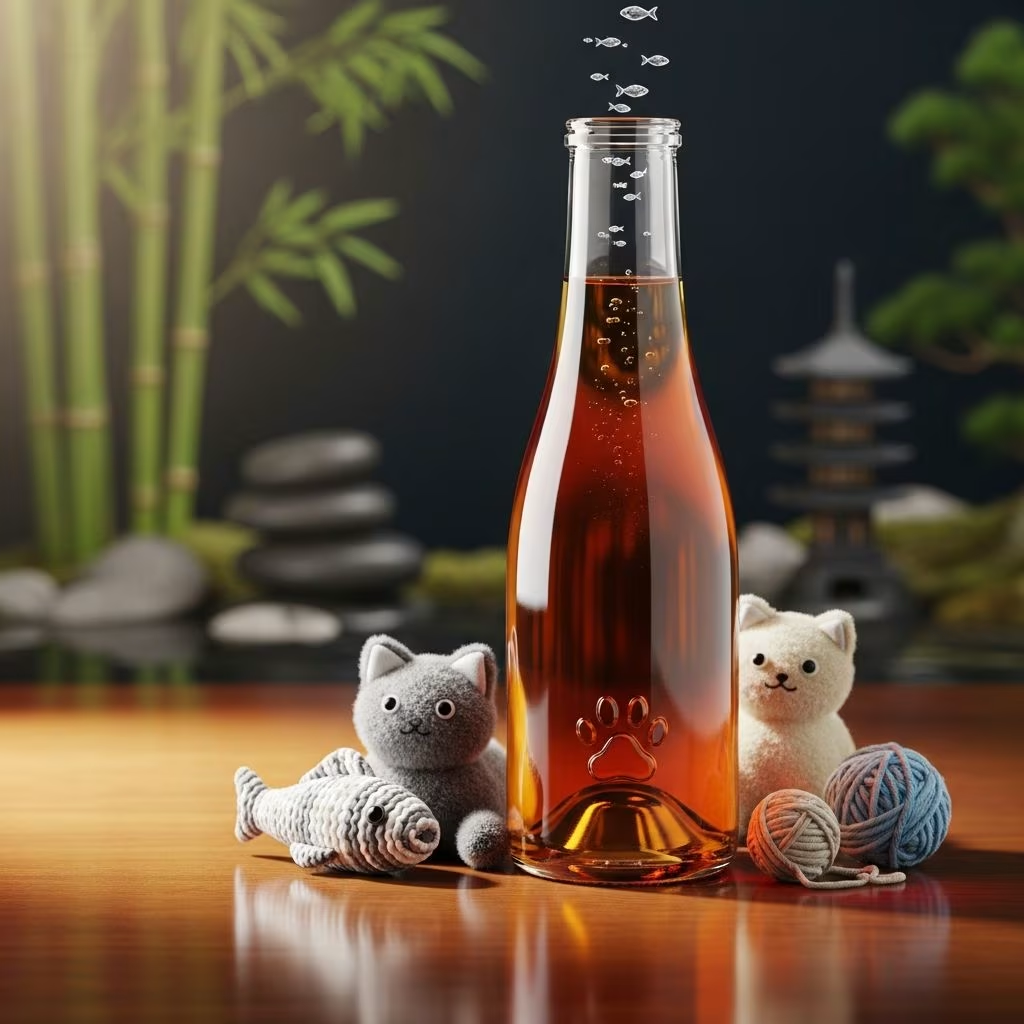
In a world where pet owners spare no expense to delight their furry companions, Japan has once again pushed the boundaries of innovation with cat wine. This isn’t your typical pet treat; it’s a sophisticated, non-alcoholic beverage crafted specifically for cats, mimicking the allure of fine wine without any of the risks. Launched as a limited-edition product, cat wine has captured the imagination of pet enthusiasts worldwide, sparking conversations about pet pampering and creative product design.
The Birth of a Purr-fect Idea
The concept of cat wine emerged from B&H Lifes, a Japanese company specializing in pet supplements and nutrition. In a bold move, they introduced ‘Nyan Nyan Nouveau,’ a playful name derived from the Japanese onomatopoeia for a cat’s meow. This beverage hit the market as a seasonal novelty, timed perfectly for celebrations like cat birthdays or festive holidays. Priced affordably at around ¥399 (approximately $4 USD), it became an instant hit, with production limited to just 1,000 bottles to create exclusivity and urgency.
What sets this apart from standard cat treats is its wine-inspired presentation. Bottled elegantly like a Beaujolais Nouveau, it appeals to owners who enjoy sharing ‘adult’ moments with their pets in a safe way. The launch was covered extensively in Japanese media, highlighting how cultural quirks—like Japan’s deep love for cats—influence pet product development.
What’s Inside the Bottle: Ingredients Breakdown
At its core, cat wine is a harmless concoction designed for feline palates. Key ingredients include:
- Cabernet grape juice: Provides a rich, fruity base that echoes the flavor profile of red wine, rich in natural antioxidants without fermentation.
- Vitamin C: Boosts immune health, a common supplement in pet foods for overall vitality.
- Catnip: The star attractant, known for inducing euphoric responses in many cats, mimicking a ‘buzz’ without alcohol.
This blend ensures zero alcohol content, addressing safety concerns head-on. Grapes, while toxic in certain forms to cats, are safe here as pure juice without seeds or skins that harbor harmful compounds. The result is a drink that looks, smells, and even ‘tastes’ like wine to cats, encouraging lapping and play.
| Ingredient | Benefit | Source Confirmation |
|---|---|---|
| Cabernet Grape Juice | Flavor mimicry, antioxidants | |
| Vitamin C | Immune support | |
| Catnip | Entices cats, playful stimulation |
Why Cats Love It: Science Behind the Appeal
Catnip’s magic lies in nepetalactone, a compound that triggers neurological responses in about 70-80% of cats, causing rolling, rubbing, and zooming behaviors. Combined with the novel grape aroma, this creates an irresistible lure. Owners report cats eagerly drinking from bowls or even ‘toasting’ with them, fostering bonding moments.
From a nutritional standpoint, the Vitamin C addition supports collagen production and fights oxidative stress, beneficial for aging cats. While not a daily essential, it’s a fun way to administer supplements. Importantly, it’s calorie-controlled, avoiding weight gain issues common in pampered pets.
Cultural Context: Pets as Family in Japan
Japan’s pet industry thrives on humanization trends, where animals are treated as family members deserving gourmet experiences. Cat cafes, themed merchandise, and now beverages reflect this. ‘Nyan Nyan Nouveau’ taps into the ‘kawaii’ (cute) culture, blending whimsy with functionality. Its limited run sold out quickly, proving demand for such novelties.
Globally, this has inspired similar products. Dog beers like Bowser Beer—malt-based, non-alcoholic with joint-supporting glucosamine—paved the way, showing pets can ‘join’ social rituals safely. Cat wine elevates this for felines, previously underserved in beverage innovation.
Safety First: Guidelines for Serving Cat Wine
While fun, moderation is key. Veterinary experts recommend small servings (a few milliliters) to prevent digestive upset. Always introduce new foods gradually, monitoring for allergies. Consult a vet for cats with health conditions, as even natural ingredients can interact with medications.
- Serve at room temperature in a shallow bowl.
- Limit to occasional treats, not daily use.
- Store in a cool, dark place like real wine.
- Never force consumption; let curiosity drive it.
No major adverse reports emerged from the initial launch, underscoring its safety profile.
Global Ripples: Cat Wine’s International Fame
News of cat wine spread rapidly via outlets like the Los Angeles Times and Phoenix New Times, amusing and intriguing audiences. It highlighted Japan’s prowess in quirky pet innovations, from fish-shaped treats to robotic toys. Social media exploded with videos of cats indulging, boosting its cult status.
Though not widely available outside Japan post-launch, replicas and copycats have appeared. Entrepreneurs now experiment with organic versions or flavor twists like salmon-infused ‘white wine’ for cats.
DIY Alternatives: Make Your Own Cat Wine
For hands-on owners, recreating a similar elixir is straightforward. Start with unsweetened grape juice (ensure cat-safe varieties), infuse with dried catnip, and add a pinch of ascorbic acid powder for Vitamin C. Simmer lightly, cool, and bottle. This homemade version maintains the spirit while customizing to your cat’s preferences.
- Boil 1 cup grape juice with 1 tsp catnip for 5 minutes.
- Strain and mix in 1/4 tsp Vitamin C powder.
- Cool and serve in small amounts.
Always source food-grade ingredients and test sparingly.
Future of Pet Beverages: Trends to Watch
Cat wine signals a boom in functional pet drinks. Expect probiotic sodas, calming chamomile teas, and hydrating broths tailored to species. Sustainability drives innovation too—look for recyclable packaging and organic sourcing. As pet humanization grows, expect more ‘adult’ treats blurring lines between owner and pet indulgences.
Market projections show the global pet beverage sector expanding, with Asia leading creativity. Japan’s model proves whimsy sells when backed by safety.
FAQs: Answering Common Cat Wine Questions
Is cat wine actually alcoholic?
No, it’s completely alcohol-free, made from juice and safe additives.
How much does cat wine cost?
Original bottles retailed for about $4 USD, with limited supply driving collector value.
Can all cats drink it?
Most can, but kittens under 6 months and sensitive cats should avoid catnip-heavy mixes.
Where can I buy cat wine today?
Originals are rare; check specialty pet importers or make your own equivalent.
Is it healthy for cats?
In moderation, yes—offers hydration and fun, with immune-boosting Vitamin C.
This feline-friendly libation exemplifies how pet care evolves, merging joy with wellness. Whether for a special toast or casual play, cat wine invites owners to celebrate their cats in style.
References
- Cat Lovers Now Can Buy Wine Made Exclusively for Cats. Thanks Japan — Phoenix New Times. 2013-10-15. https://www.phoenixnewtimes.com/food-drink/cat-lovers-now-can-buy-wine-made-exclusively-for-cats-thanks-japan-6507843/
- Wine for Cats now Available in Japan (Yes, Really) — Saigoneer. 2013-10-16. https://saigoneer.com/saigon-culture/1163-wine-for-cats-now-available-in-japan-yes-really
- No really, they’re making wine for cats in Japan — Los Angeles Times. 2013-10-15. https://www.latimes.com/food/dailydish/la-dd-cat-wine-japan-20131015-story.html
- Japanese Cat Wine — Star Tribune. 2013-10-11. https://www.startribune.com/japanese-cat-wine/228356811
- Pussy Nouveau Hits Japanese Market — Wine-Searcher. 2013-10-01. https://www.wine-searcher.com/m/2013/10/pussy-nouveau-hits-japanese-market
- Company unveils red wine for cats — Japan Today. 2013-10-09. https://japantoday.com/category/business/company-unveils-red-wine-for-cats



