

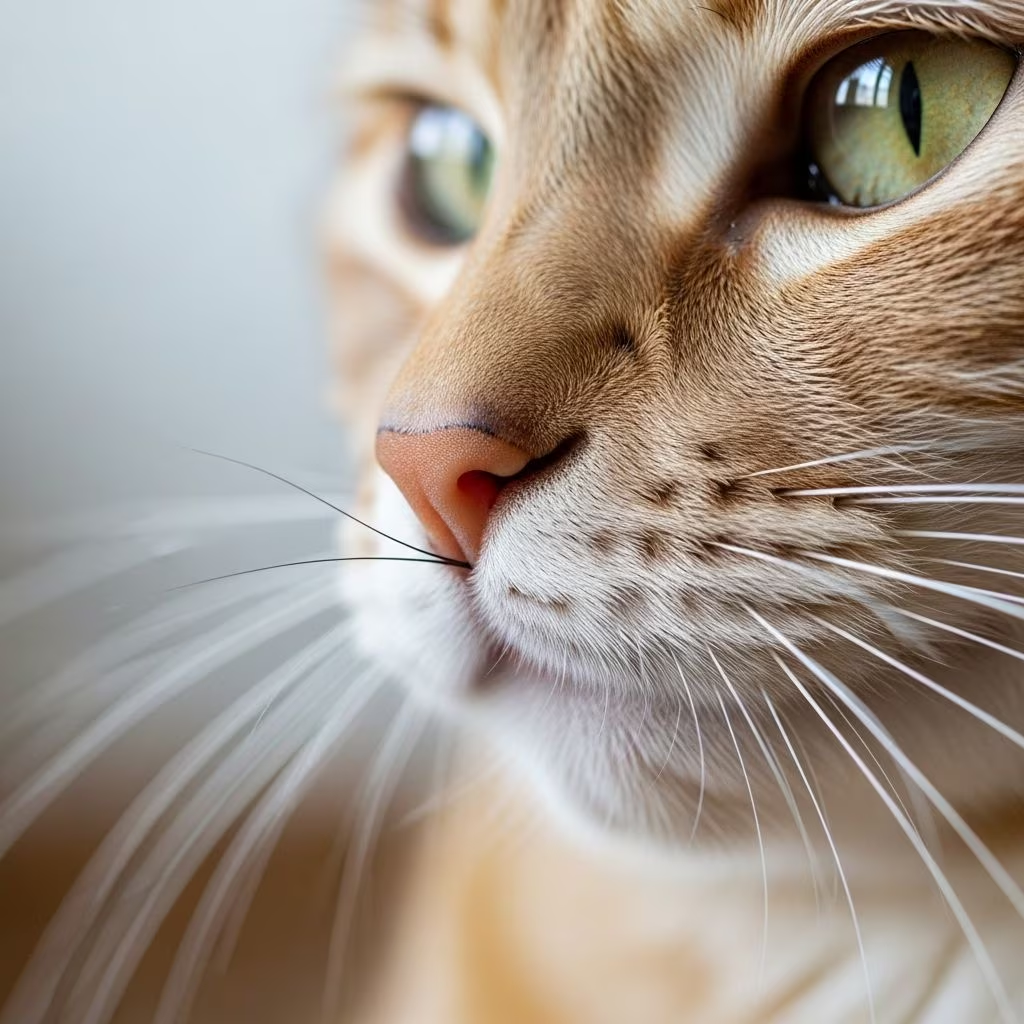
Whiskers play a crucial role in a cat’s daily life, serving as specialized sensory tools that help with navigation, hunting, and environmental awareness. While occasional whisker shedding is a normal part of a cat’s growth cycle, excessive or sudden loss can signal underlying health problems. This comprehensive guide delves into the various causes of whisker loss in cats, symptoms to monitor, preventive measures, and steps for veterinary intervention to ensure your pet’s well-being.
The Vital Role of Whiskers in Feline Anatomy
Cat whiskers, or vibrissae, are not ordinary hairs; they are deeply rooted follicles connected to sensitive nerve endings and blood vessels. These structures act like radar systems, detecting air currents, distances, and obstacles, especially in low-light conditions. Whiskers on the muzzle, above the eyes, and even on the legs provide cats with a heightened sense of their surroundings, aiding in precise movements such as jumping or squeezing through tight spaces.
Each whisker has a lifespan of about two to three months, after which it naturally falls out and is replaced. Cats typically shed one or two whiskers at a time, staggered across different areas of the face. Finding a single whisker on your floor is usually nothing to worry about, but clusters of shed whiskers or bald patches around the muzzle warrant closer attention.
Normal vs. Abnormal Whisker Shedding
To distinguish between harmless shedding and problematic loss, observe the pattern and frequency. Normal shedding involves isolated whiskers dropping without accompanying symptoms like skin irritation or behavioral changes. Abnormal shedding, however, often involves multiple whiskers from one area, visible skin issues, or sudden onset.
- Normal Shedding Indicators: One whisker at a time, no skin redness, cat behaves normally.
- Abnormal Loss Signs: Multiple whiskers gone quickly, itching, lesions, appetite changes, or disorientation.
If your cat appears clumsy, bumps into objects, or avoids certain activities post-loss, the absence of whiskers may be impairing their spatial judgment, emphasizing the need for prompt evaluation.
Common Medical Causes of Whisker Loss
Several health conditions can trigger whisker fallout. Understanding these helps cat owners identify issues early.
Allergic Reactions and Skin Irritations
Allergies rank among the top reasons for whisker loss. Environmental allergens like pollen, mold, or grass, as well as food sensitivities, can provoke intense itching around the face. Cats may scratch or rub their muzzles excessively, dislodging whiskers. Flea allergies are particularly common, even in indoor cats, leading to dermatitis that affects whisker follicles.
Symptoms often include sneezing, watery eyes, red skin, vomiting, or diarrhea. In severe cases, secondary bacterial infections develop from broken skin.
Infections: Bacterial and Fungal Culprits
Skin infections, whether bacterial or fungal, erode the hair follicles supporting whiskers. Ringworm, a fungal infection, frequently targets the face, causing circular lesions and whisker loss. Bacterial issues arise from wounds, abscesses, or poor hygiene, manifesting as crusted sores, pus, and itchiness.
Deep infections in skin folds can go unnoticed until whiskers fall out en masse. Prompt cleaning and antibiotics are essential to prevent spread.
Stress-Induced Whisker Pulling
Cats under significant stress may over-groom, pulling out whiskers along with fur. Triggers include moving homes, new pets, loss of a companion, or disrupted routines. Stressed cats hide, vocalize excessively, litter outside the box, or show appetite loss.
Behavioral changes like aggression or lethargy accompany this psychogenic alopecia. Creating a stable environment with enrichment toys and consistent schedules can mitigate it.
Physical Injuries and Trauma
Outdoor cats face risks from fights, scrapes against rough surfaces, or accidents. Even indoor scuffles with other pets can bend or break whiskers. Trauma weakens follicles, leading to fallout. Check for wounds, swelling, or limping alongside missing whiskers.
Keeping cats indoors drastically reduces these incidents, preserving their sensory tools.
Feline Acne and Related Conditions
Feline acne appears as blackheads or pimples on the chin, often linked to plastic bowls harboring bacteria. This inflammation spreads to whisker areas, causing loss. Other factors include overactive oil glands, hormonal shifts, or weakened immunity.
Switching to ceramic or stainless steel bowls prevents recurrence, as plastic scratches trap debris.
Environmental and Nutritional Factors
Beyond medical issues, everyday elements contribute to whisker problems.
Whisker Fatigue from Bowls
Deep, narrow bowls force whiskers to brush sides repeatedly during meals, overwhelming sensory nerves. This “whisker fatigue” causes stress, avoidance of bowls, pawing food out, or messes. Wide, shallow bowls alleviate this by minimizing contact.
Cats with fatigue may pace before eating or seem finicky, mistaking it for pickiness.
Dietary Deficiencies and Toxins
Poor nutrition lacking essential fatty acids or proteins hampers whisker growth. Toxins from plants or chemicals can also trigger shedding. Balanced commercial diets or vet-formulated foods support healthy follicles.
Diagnosing and Treating Whisker Loss
Never self-diagnose; veterinary exams, including skin scrapes, allergy tests, or biopsies, pinpoint causes. Treatments vary: antihistamines for allergies, antifungals for infections, or behavior therapy for stress.
| Cause | Symptoms | Treatment |
|---|---|---|
| Allergies | Itching, redness, GI upset | Antihistamines, hypoallergenic diet |
| Infections | Lesions, crusting, pus | Topical/oral meds, cleaning |
| Stress | Hiding, aggression, poor appetite | Environmental enrichment, pheromones |
| Trauma | Wounds, swelling | Wound care, rest |
| Acne | Blackheads on chin | Bowl change, benzoyl peroxide wash |
Regrowth takes 2-3 months; support with gentle grooming and supplements if recommended.
Prevention Strategies for Healthy Whiskers
- Use wide bowls to avoid fatigue.
- Opt for non-plastic food/water dishes.
- Maintain flea prevention year-round.
- Provide stress-relief through play and routines.
- Regular vet check-ups catch issues early.
- Indoor living minimizes trauma.
Monitor your cat’s face weekly, noting any asymmetry or thinning.
FAQs About Cat Whisker Loss
Do cats feel pain when losing whiskers?
No, shedding is painless as the whisker detaches from a dead follicle base. However, underlying causes like infections can hurt.
How long do new whiskers take to grow?
Typically 2-3 months, matching the hair cycle. Patience and addressing root causes speed recovery.
Is whisker loss always a sign of illness?
No, occasional loss is normal, but multiples or with symptoms indicate problems.
Can diet affect cat whiskers?
Yes, nutrient-poor diets weaken follicles; high-quality food promotes strength.
Should I trim my cat’s whiskers?
Never; trimming disorients cats severely, as whiskers are sensory organs.
When to Seek Immediate Veterinary Help
Rush to the vet if whisker loss accompanies lethargy, weight loss, bleeding, or neurological signs like circling. Early intervention prevents complications and restores your cat’s confidence.
In summary, while whiskers naturally renew, vigilance ensures issues don’t escalate. Your proactive care keeps your cat navigating life with precision.
References
- Whisker Loss in Cats: Is it Normal for My Cat to Shed its Whiskers? — Lincolnway Veterinary Clinic. 2023. https://lincolnwayvet.com/blog/whisker-loss-in-cats/
- Why would my cat suddenly lose all her whiskers? Is she sick? — Dial A Vet. 2024. https://www.dialavet.com/vet-answers/post/cat-whiskers-vanished-49586
- Do Cats Shed Whiskers? — Cats.com. 2023. https://cats.com/do-cats-shed-whiskers
- Whisker Fatigue in Cats: What It Is and How To Help — PetMD. 2024. https://www.petmd.com/general-health/whisker-fatigue-cats-what-it-and-how-help



