

Cat Wheelchairs and Carts: What You Need to Know
Cats with mobility issues can benefit significantly from cat wheelchairs or carts. These specialized devices enable cats facing physical challenges to maintain their independence, engage in play, and enjoy an active lifestyle. Whether your cat is recovering from surgery, managing a chronic condition, or dealing with age-related mobility decline, a cat wheelchair can be a life-changing solution. This comprehensive guide explores everything you need to know about cat mobility aids to help your feline companion thrive.
What Is a Cat Wheelchair?
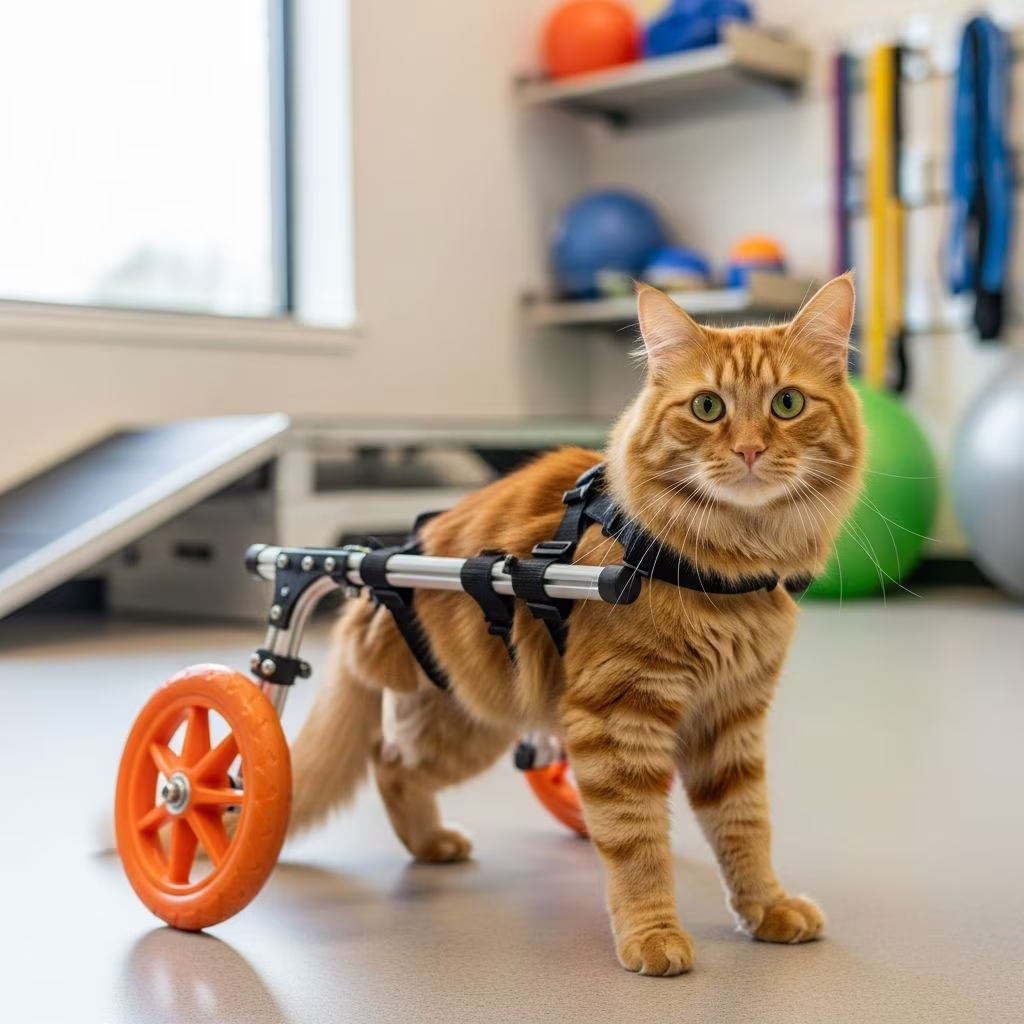
A cat wheelchair is a specialized assistive device designed to support cats experiencing mobility challenges. Unlike mobility aids for other pets, cat wheelchairs are engineered with feline anatomy and behavior in mind. These lightweight carts feature harnesses that strap securely to your cat’s body, providing crucial support while allowing freedom of movement. The primary function of a cat wheelchair is to reduce or eliminate weight-bearing on affected limbs while enabling your cat to walk, run, play, and explore independently.
Cat wheelchairs come equipped with two main harness systems: one supporting the shoulders and another supporting the hips or pelvic region. This dual-harness design ensures balanced weight distribution and prevents strain on your cat’s spine and joints. The device’s lightweight construction is essential because cats are far more sensitive to added weight than larger animals, and excessive burden can cause discomfort and reduce acceptance of the device.
Types of Mobility Issues Aided by Cat Carts
Cat wheelchairs address a wide range of medical conditions and injuries that affect feline mobility. Several categories of health issues benefit from these assistive devices:
- Paralysis and Spinal Issues: Cats experiencing partial or complete paralysis from spinal cord injuries, intervertebral disc disease, or other neurological conditions can regain mobility through properly fitted carts.
- Congenital Conditions: Cerebellar hypoplasia, congenital spinal defects, and other birth-related limb issues can be effectively managed with appropriate cart support.
- Injuries: Cats recovering from traumatic injuries affecting their limbs or spine benefit from the rehabilitation support that wheelchairs provide.
- Age-Related Conditions: Arthritis, degenerative joint disease, and muscle weakness associated with aging can be alleviated through mobility assistance.
- Post-Surgical Recovery: After orthopedic surgery, amputation, or other procedures, wheelchairs facilitate rehabilitation and prevent muscle atrophy.
- Cardiac and Systemic Conditions: Certain heart conditions and other systemic diseases that affect limb function can benefit from mobility support.
The key insight is that many cats with these conditions remain otherwise healthy and capable of leading happy, pain-free lives with proper mobility assistance. A cat doesn’t need to be completely paralyzed to benefit from a wheelchair; even cats with partial limb use can enjoy improved function and quality of life through these devices.
Types of Cat Carts and How They Work
Understanding Different Cart Configurations
Cat carts are not one-size-fits-all devices. The type of mobility aid your cat needs depends entirely on the nature and location of their disability. Cats with different types of mobility issues require different support configurations to ensure comfort, function, and safety.
Quad Carts (Four-Wheel Wheelchairs)
Quad carts provide full-body support through all four wheels and are the most comprehensive mobility solution. These wheelchairs are specifically recommended for cats with:
- Front limb weakness or paralysis
- Weakness affecting all four legs
- Balance disorders such as cerebellar hypoplasia
- Conditions requiring complete weight support and stability
Quad carts offer exceptional stability and balance, making them ideal for cats that struggle to maintain their posture. These carts prevent falls and provide the confidence cats need to move freely without fear of collapse.
Hind Wheel Carts (Two-Wheel Wheelchairs)
Hind wheel carts feature two wheels positioned on either side of the cat’s rear legs. These are designed for cats with:
- Paralyzed or weakened hind legs
- Hind leg amputation
- Partial rear limb function that benefits from weight reduction
- Conditions affecting only the back portion of the body
With hind wheel carts, cats retain full use of their front legs while receiving support for the rear. This design allows cats to continue using their back legs for propulsion if they have any residual function, which can aid in rehabilitation and muscle maintenance.
Front Wheel Carts
Front wheel carts are less common but serve a specific purpose for cats with front limb issues. Research indicates that front wheel carts alone show the least improvement in quality of life compared to other cart types, so they are typically recommended only for targeted front limb support in specific situations.
Wheel Types and Terrain Considerations
Different wheel types are used on cat carts depending on where your cat will primarily use the wheelchair. Manufacturers select wheels based on terrain considerations:
- Hard Surface Wheels: Designed for indoor use on tile, hardwood, or smooth concrete
- All-Terrain Wheels: Suitable for grass, outdoor surfaces, and mixed terrains
- Specialized Wheels: Some models feature adjustable wheels or interchangeable options
Discussing wheel selection with your cart manufacturer ensures your cat can navigate their primary living environment comfortably.
Custom Fitting and Measurement
Why Custom Fitting Matters
Unlike products designed for mass production, cat wheelchairs must be custom-fitted according to your specific cat’s measurements and needs. Proper fit is absolutely critical for several reasons:
- Ensures proper weight distribution across the harnesses
- Prevents pressure points that could cause injury or discomfort
- Maintains correct posture and spinal alignment
- Allows your cat to accept and adapt to wearing the device
- Maximizes the therapeutic benefit of the wheelchair
- Reduces the risk of complications
Getting Your Cat Measured
When ordering a custom cat wheelchair, manufacturers typically request detailed measurements including:
- Your cat’s weight
- Body length from shoulder to hip
- Chest girth
- Hip/pelvic width
- Leg length measurements
- Any specific anatomical considerations
Many manufacturers provide detailed measurement guides or may send a pre-fitting harness for your cat to wear while the custom cart is being constructed. This approach allows your cat to acclimate to wearing supportive equipment and ensures the final product fits perfectly.
Introduction and Adaptation
Helping Your Cat Accept the Wheelchair
Cats have very different instincts from dogs, and introducing a mobility device requires patience and feline-specific psychology. When first placed in a wheelchair, cats will instinctively try to escape or climb out of the device. This is completely normal behavior and not a sign that the wheelchair is wrong for your cat.
The Adaptation Process
Successful adaptation typically follows these steps:
- Harness Familiarization: Begin by having your cat wear the support harness alone, without the cart attached, for several days or weeks. Your cat should wear the harness during positive activities and playtime.
- Positive Association: Pair harness wearing with treats, meals, and attention to create positive associations.
- Gradual Introduction: Once your cat is comfortable in the harness, introduce the attached cart in a safe, enclosed space.
- Short Sessions: Start with very brief periods in the wheelchair and gradually extend duration as your cat becomes more comfortable.
- Safe Environment: Keep initial cart sessions in familiar, enclosed spaces where your cat feels secure.
- Encouragement: Use toys, treats, and play to motivate your cat to move in the wheelchair.
- Transition Time: Most cats require a period of weeks to fully accept their wheelchair and reach comfortable mobility.
Signs of Successful Adaptation
You’ll know your cat is adapting well when they:
- Stop attempting to escape the device
- Show interest in moving and exploring while in the wheelchair
- Display relaxed body language and normal vocalization
- Demonstrate confidence in movement
- Willingly approach the wheelchair for placement
Benefits of Cat Wheelchairs and Carts
Quality of Life Improvements
Research demonstrates that cat wheelchairs provide substantial quality of life improvements for both cats and their caretakers. Studies show that assistive mobility carts improved the perceived quality of life for cats in 57% of cases and for their caretakers in 60% of cases. These improvements span multiple dimensions of wellbeing.
Physical and Functional Benefits
Cat wheelchairs enable disabled cats to perform essential daily activities:
- Walking and Movement: Cats regain the ability to walk independently without relying completely on their caretaker
- Play and Exercise: Wheelchair-assisted mobility facilitates play behavior, which has the highest positive response rate for improved functionality across all mobility-assisted animals
- Elimination Functions: Carts keep cats elevated during urination and defecation, maintaining proper posture and supporting cats with incontinence
- Eating and Drinking: Independent access to food and water bowls improves autonomy and nutrition
- Exploration: Cats can navigate their environment and satisfy their natural curiosity
Psychological and Emotional Benefits
Beyond physical function, cat wheelchairs provide significant emotional benefits:
- Emotional Boost: Regaining mobility delivers a tremendous psychological lift, reducing depression and anxiety
- Behavioral Improvement: Active cats typically demonstrate better behavior and mental stimulation
- Reduced Frustration: Cats no longer experience the frustration of being unable to reach areas they wish to explore
- Social Engagement: Improved mobility enables cats to interact more with their families and environments
Caretaker Benefits
The benefits extend to cat owners as well:
- Reduced Caregiver Burden: Wheelchairs improve functional independence, reducing the need for constant physical assistance
- Improved Peace of Mind: Caretakers experience reduced anxiety knowing their cats can move independently
- Quality Time: With reduced physical demands, caretakers can focus on interaction and companionship rather than constant care
- Extended Bond: Cats’ improved quality of life extends their lifespan and strengthens the human-animal bond
Potential Complications and Care
Understanding Possible Issues
While cat wheelchairs are valuable devices, users should be aware that complications can occur. Studies indicate that 64% of cart users reported at least one complication, with wounds accounting for 53% of these complications. Common issues include:
- Pressure Sores: Improper fit or extended wear can cause skin irritation
- Chafing and Wounds: Friction from harnesses requires careful monitoring
- Muscle Atrophy: While carts enable movement, they shouldn’t replace rehabilitation exercises
- Psychological Stress: Some cats require extensive adaptation time
- Mobility Limitations: Stairs and certain terrain may remain challenging
Minimizing Complications
To prevent complications:
- Ensure proper custom fit from the manufacturer
- Regularly inspect skin for pressure sores or irritation
- Limit daily wheelchair hours initially and gradually increase
- Rotate between wheeled and non-wheeled mobility periods
- Maintain regular veterinary check-ups
- Keep harnesses clean and dry
- Monitor for behavioral signs of discomfort
- Ensure physical therapy and rehabilitation exercises complement cart use
Selecting the Right Cart for Your Cat
Consultation with Your Veterinarian
Before selecting a cat wheelchair, schedule a consultation with your veterinarian. Your vet can:
- Assess your cat’s specific mobility limitations
- Determine the most appropriate cart type
- Identify any contraindications or special considerations
- Recommend specific manufacturers known for quality
- Discuss rehabilitation and physical therapy needs
- Monitor your cat’s progress with cart use
Key Selection Criteria
When choosing a cat wheelchair, consider:
- Your Cat’s Weight and Size: Ensure the manufacturer’s weight range accommodates your cat
- Type of Disability: Match the cart type to your cat’s specific mobility needs
- Terrain: Consider where your cat will primarily use the wheelchair
- Custom Fitting Options: Verify that the manufacturer provides proper custom fitting
- Adjustability: Look for carts that adjust as your cat grows or their condition changes
- Manufacturer Support: Choose companies with veterinary expertise and good customer service
- Reviews and References: Research feedback from other cat owners
- Warranty and Return Policy: Ensure adequate support if the initial fit isn’t perfect
Frequently Asked Questions About Cat Wheelchairs
Q: Will my cat actually use a wheelchair, or will they just resist it?
A: Most cats do adapt to wheelchairs with proper introduction and acclimation. While cats instinctively resist unfamiliar devices, many become comfortable and even enthusiastic users within weeks. Gradual introduction using a pre-fitting harness significantly improves acceptance rates. Research and user testimonials confirm that disabled cats successfully use wheelchairs and regain mobility and independence.
Q: Does my cat need to be completely paralyzed to benefit from a wheelchair?
A: No. Cats with partial limb function, weakness, or arthritis can all benefit from wheelchairs. In fact, cats with some residual function may use their legs to help propel the wheels, which aids in rehabilitation and muscle maintenance. A veterinarian can assess your cat’s specific situation.
Q: How much does a cat wheelchair cost?
A: Cat wheelchair prices vary based on the type of cart, customization level, and manufacturer. Generally, custom-fitted cat wheelchairs range from several hundred to over a thousand dollars. Many manufacturers offer refund policies if the cart doesn’t work out for your cat, and some pet insurance plans may cover part of the cost.
Q: Can my cat use a dog wheelchair?
A: No, cat-specific wheelchairs are essential. Cats and dogs have different body proportions, weight distributions, and behavioral instincts. Using a dog wheelchair on a cat can cause injury, discomfort, and rejection of the device. Always use a wheelchair specifically designed for cats.
Q: How long does adaptation take?
A: Adaptation timelines vary by individual cat, but most require several weeks to become comfortable. Starting with harness familiarization and gradually introducing the cart speeds up the process. Some cats accept wheels within days, while others may need a month or more.
Q: Can my cat sleep or rest while in the wheelchair?
A: Depending on the cart model, yes. Some wheelchair designs allow cats to lie down and rest comfortably while remaining supported. This feature is particularly valuable for cats requiring extended periods of use or those recovering from surgery.
Q: Will a wheelchair prevent my cat from performing normal behaviors?
A: Modern cat wheelchairs are designed to minimize interference with natural behaviors. Cats using properly fitted carts can groom themselves, eat, drink, and eliminate normally. The wheelchair supports mobility without completely restricting other activities.
Q: How do I know if my cat needs a quad cart versus a hind wheel cart?
A: Your veterinarian can help determine the appropriate cart type based on your cat’s specific condition. Cats with front limb issues, balance problems, or weakness in all four legs typically need quad carts. Cats with only rear limb issues usually do well with hind wheel carts.
References
- Cat Wheelchair – K9 Carts — K9 Carts. 2025. https://k9carts.com/products/cat-wheelchair
- Caretaker-reported quality of life, functionality, and complications associated with assistive mobility carts for companion animals — National Center for Biotechnology Information (NCBI). 2024. https://pmc.ncbi.nlm.nih.gov/articles/PMC11551849/
- Frequently Asked Questions About Cat Wheelchairs — Walkin’ Pets. 2025. https://walkinpets.com/blogs/blog/frequently-asked-questions-about-cat-wheelchairs
- Yes – Disabled Cats DO Use Wheelchairs — Eddie’s Wheels for Pets. 2025. https://eddieswheels.com/n/122/Yes-Disabled-Cats-DO-Use-Wheelchairs
- Wheelchairs & Our Pets — Pawsitive Steps Rehabilitation & Therapy. 2025. https://www.pawsitivestepsrehab.com/blog/wheelchairs-our-pets/



