
Cat Weight Management Guide
Expert strategies for helping your overweight cat achieve and maintain a healthy weight through diet, exercise, and monitoring.
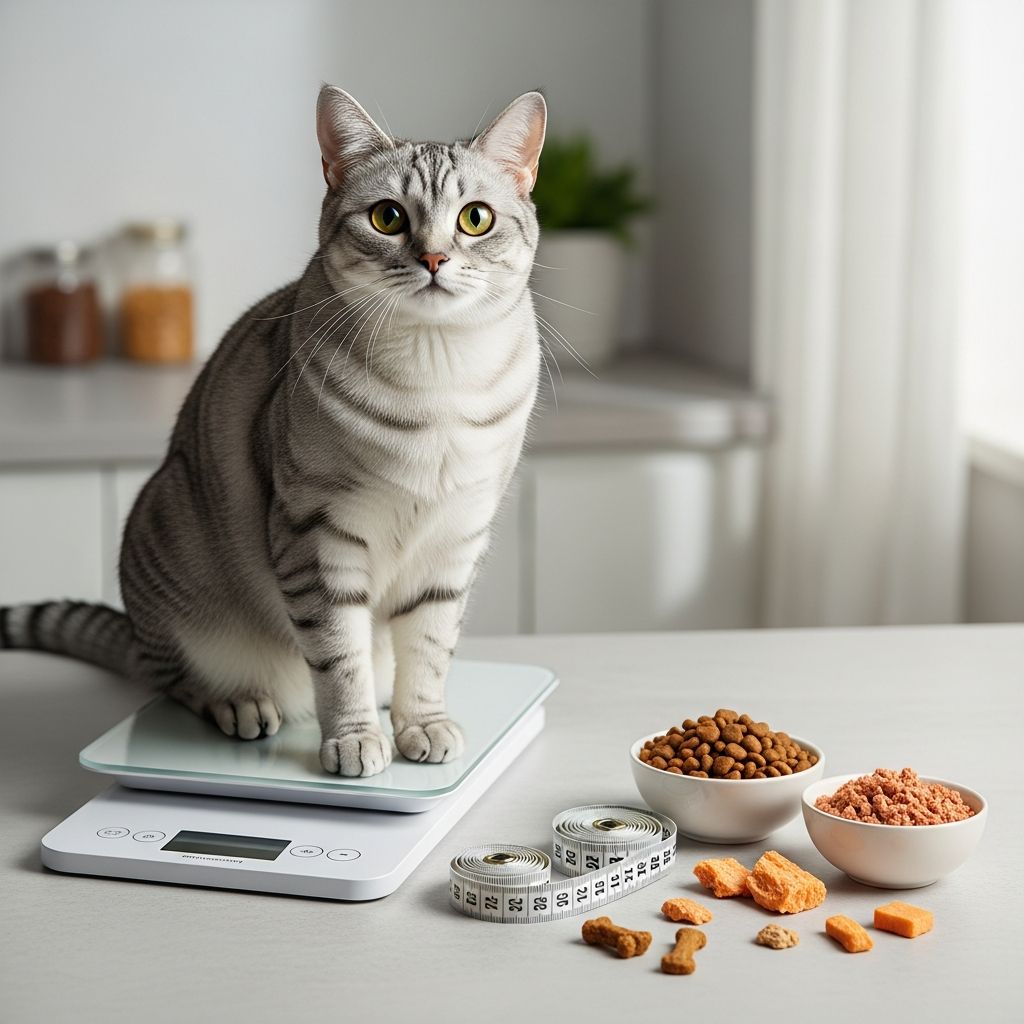
Overweight cats face serious health risks, but with a structured approach involving veterinary guidance, dietary adjustments, increased activity, and consistent monitoring, owners can help their pets reach an ideal body weight safely.
Understanding Feline Obesity Risks
Obesity in cats contributes to conditions like diabetes, arthritis, and hepatic lipidosis, a dangerous liver disorder triggered by rapid weight loss if not managed properly. Excess weight strains joints, reduces mobility, and shortens lifespan. According to veterinary guidelines, maintaining an ideal body condition score (BCS) is crucial, where a score of 4-5 out of 9 indicates optimal health—ribs palpable without excess fat, waist visible from above.
Assessing Your Cat’s Ideal Weight
Begin with a veterinary exam to rule out medical issues like hypothyroidism or hyperthyroidism that mimic obesity. Use BCS charts: feel for ribs (should be like the knuckles of a closed fist), check abdominal tuck, and observe side profile for waist definition. Target weight is based on breed, frame size, age, and neuter status—typically 8-12 pounds for average adults, but consult your vet for precision. Calculate daily energy requirements (DER) using the formula: Resting Energy Requirement (RER) = 70 x (ideal weight in kg)^0.75, then multiply by a factor of 0.8 for weight loss.
Designing a Safe Weight Loss Plan
Aim for 1-2% body weight loss per week to avoid malnutrition or hepatic lipidosis. Transition diets gradually over 7-10 days by mixing new food with old. Your vet will prescribe calories: often 60-70% of maintenance needs initially. Weigh food precisely with a kitchen scale—eyeballing leads to overfeeding by up to 20%.
- Establish 2-4 scheduled meals daily, removing uneaten portions after 15-30 minutes.
- Avoid free-feeding, which promotes overconsumption as cats lack self-regulation.
- Log all intake including treats (limit to 10% of daily calories).
Selecting Optimal Nutrition for Weight Control
Choose high-protein (40%+ dry matter), moderate-fat, low-carb formulas to preserve muscle and promote satiety. Prescription diets from vets are calorie-controlled and nutrient-dense. Wet food excels due to high moisture (78%+), lower calorie density, and palatability—aim for 3-6 oz daily, increasing as dry food decreases.
| Food Type | Calories per oz | Benefits |
|---|---|---|
| Wet Food | 25-40 | Hydration, fullness, low carb |
| Weight Loss Kibble | 300-350/kcup | Portion control, fiber for satiety |
| Home Add-ins | Varies | Steamed veggies like zucchini reduce density |
Incorporate low-calorie fillers: puree pumpkin or green beans (1-2 tbsp/meal) to bulk meals without excess energy.
Boosting Activity Levels Naturally
Cats are hunters by instinct—channel this with 15-30 minutes daily play in 2-3 sessions using wand toys, laser pointers, or balls. Install vertical spaces: shelves, cat trees, window perches to encourage climbing. Hide kibble in puzzles or scatter meals to mimic foraging, burning 10-20% more calories. For multi-cat homes, elevate healthy cats’ bowls on counters.
- Short bursts: 5-10 min chases mimic predation.
- Food puzzles: slow intake, add mental exercise.
- Track steps: apps or pedometers for cats monitor movement.
Handling Multi-Cat Households
Separate feeding zones prevent bullying—feed in different rooms for 15 minutes, then swap. Use microchip feeders for exclusive access. Monitor each cat’s BCS individually; weigh weekly on a baby scale.
Tracking and Adjusting Progress
Weigh bi-weekly at home or vet every 4-12 weeks. Adjust calories if loss stalls: reduce by 10-20% or increase play. Recheck BCS monthly. Plateaus? Switch proteins or add omega-3s for metabolism boost. Success metrics: visible waist, playful energy, no begging.
Common Challenges and Solutions
- Begging: Ignore; offer water fountains or ice cubes.
- Litter box issues: Obesity causes constipation—fiber and hydration help.
- Plateaus: Vet bloodwork for underlying issues.
- Senior cats: Joint supplements like glucosamine aid mobility.
Long-Term Maintenance Strategies
Once at goal, increase to 100% DER gradually. Annual exams, monthly weighs. Treats: veggie-based or lick mats. Educate household on rules—no scraps.
Frequently Asked Questions
How fast should my cat lose weight?
1-2% weekly max; faster risks liver failure.
Can I make my own weight loss food?
Not recommended—risks nutrient gaps; use vet-approved.
What if my cat refuses new food?
Mix with old, warm slightly, top with tuna juice; patience key.
Is exercise enough without diet change?
No—calorie deficit primary; activity supports.
How do I know my cat is overweight?
BCS over 6/9: hard-to-feel ribs, no waist tuck.
References
- Cat Weight Loss Information | Start Healthy Weight Loss Today — Association for Pet Obesity Prevention. 2023. https://www.petobesityprevention.org/weight-loss-cats
- Creating a Weight Reduction Plan for Cats — VCA Animal Hospitals. 2024. https://vcahospitals.com/know-your-pet/creating-a-weight-reduction-plan-for-cats
- Maintaining a healthy weight for your cat — FEDIAF (European Pet Food Industry Federation). 2025-07. https://europeanpetfood.org/wp-content/uploads/2025/07/FEDIAF_FS_Healthy-Weight_Cat_Online_NEW.pdf
- 2014 AAHA Weight Management Guidelines for Dogs and Cats — American Animal Hospital Association (AAHA). 2014. https://www.aaha.org/wp-content/uploads/globalassets/02-guidelines/weight-management/2014-AAHA-Weight-Management-Guidelines-for-Dogs-and-Cats
Similar Articles








Read full bio of medha deb




