

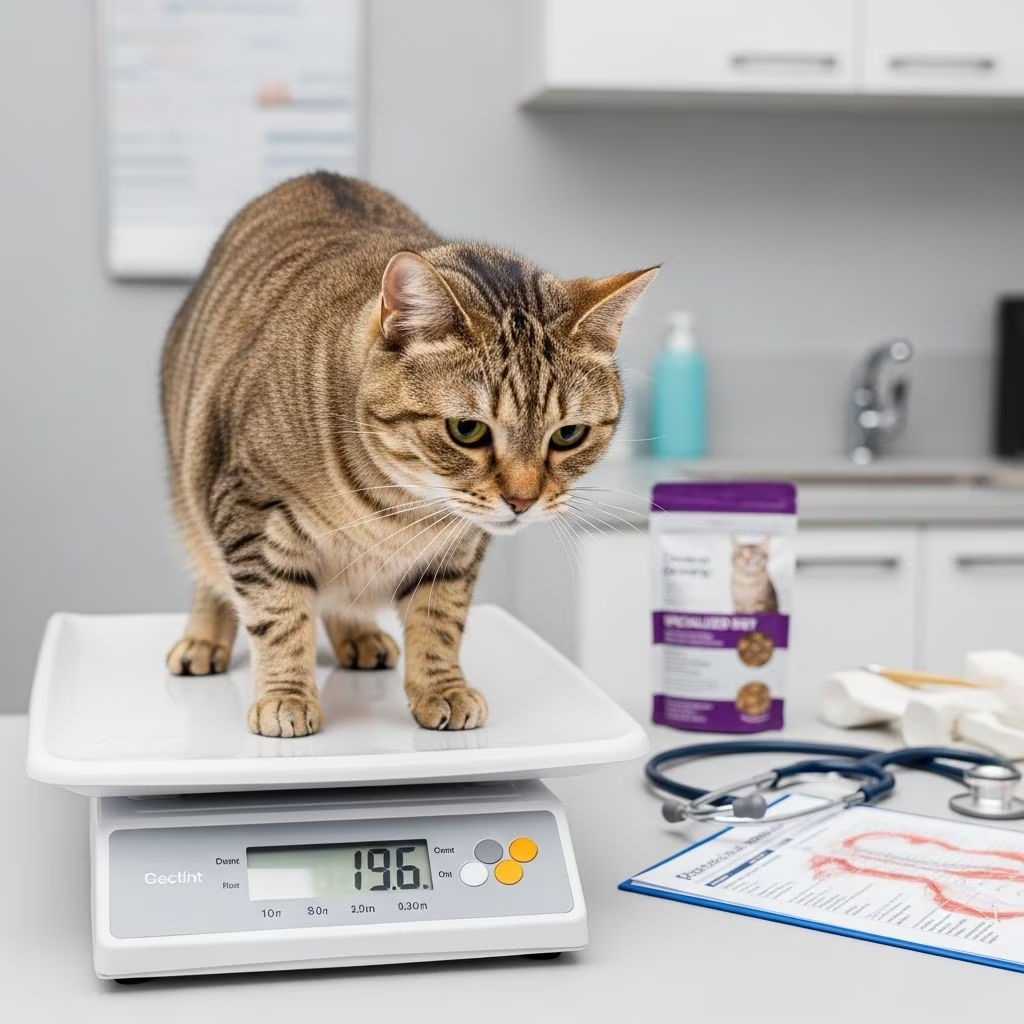
Many cat owners face the challenge of helping their pets shed excess pounds, as felines often resist weight loss efforts despite careful dieting. Obesity affects a significant number of domestic cats, leading to serious health complications that can shorten their lifespan if not addressed properly.
The Hidden Dangers of Feline Overweight
Excess weight in cats triggers a cascade of health issues, making weight reduction essential for longevity and vitality. Obese cats face nearly four times the risk of developing diabetes mellitus due to glucose intolerance and impaired insulin secretion linked to fat accumulation. Other concerns include lameness from joint stress, non-allergic skin conditions, lower urinary tract disorders, and the potentially fatal idiopathic hepatic lipidosis.
Cardiovascular problems arise as fat buildup elevates blood pressure, straining the heart and reducing overall lifespan. A weakened immune system, endocrine disruptions, and metabolic disorders further compound these risks, turning a plump pet into a vulnerable one.
Biological Barriers to Slimming Down
Cats’ bodies adapt to weight gain in ways that hinder loss. As adipose tissue expands, it releases adipokines like leptin and TNF-α, which reduce insulin sensitivity, while adiponectin levels drop, worsening glucose handling. This metabolic shift mimics human obesity patterns, explaining the diabetes epidemic in overweight felines.
Indoor lifestyles exacerbate this by promoting sedentary behavior. Cats nap excessively, slowing metabolism and burning fewer calories daily. Genetic predispositions in certain breeds and age-related metabolic declines make older cats particularly susceptible, as their energy needs decrease while appetites persist.
Everyday Culprits Behind the Pounds
Overfeeding is rampant, with owners often misjudging portions. A mere 10 extra kcal daily—about 10 kibbles—can add 12% body weight yearly to a 4 kg cat. Treats and table scraps compound this, providing empty calories without nutrition.
Boredom drives stress eating, as confined cats turn to food for stimulation amid unmet emotional needs. Chronic stress alters neuroendocrine pathways, favoring fat storage. Multi-cat homes introduce competition, leading to overconsumption or uneven intake.
Assessing Your Cat’s Ideal Weight
Determining if your cat needs to slim down starts with body condition scoring. Feel the ribs—they should be palpable without excess fat covering. An ideal cat has a visible waistline from above and a tucked abdomen from the side.
| Body Condition | Ribs Feel | Waist View | Action Needed |
|---|---|---|---|
| Underweight | Prominent, sharp | Very tucked | Investigate health issues |
| Ideal | Palpable, smooth | Visible waist | Maintain |
| Overweight | Difficult to feel | No waist | Initiate weight loss |
| Obese | Not felt | Barrel-shaped | Vet-supervised plan |
Use this table to gauge your cat’s status accurately before starting any program.
Calculating Safe Calorie Targets
Veterinarians recommend 60-70% of maintenance calories for ideal weight to promote steady loss without risks. For a 4 kg cat at ideal weight needing 200 kcal daily maintenance, aim for 120-140 kcal during reduction. Track intake via a food diary to spot discrepancies—if weight stalls, recalibrate.
Avoid rapid cuts to prevent hepatic lipidosis, where the liver overloads on mobilized fat. Gradual reduction—1-1.5% body weight weekly—minimizes plateaus and hunger.
Nutrition Strategies That Deliver Results
Select diets tailored for feline weight management. Key features include:
- High protein: Preserves lean muscle, boosts satiety, and accelerates metabolism.
- Increased moisture: Lowers calorie density in wet foods, tricking cats into eating less energy.
- Added fiber: Promotes fullness; some cats self-regulate on high-fiber dry formulas.
- Reduced fat: Cuts overall calories while avoiding obesity triggers.
- Metabolic formulas: Induce gentle ketosis for fat burning, like prescription diets.
Transition slowly over 7-10 days to avoid digestive upset. Eliminate treats, substituting play or affection. Feed multiple small meals separately in multi-cat homes to control portions precisely.
Incorporating Movement and Enrichment
Diet alone fails without activity. Indoor cats need structured play to mimic hunting, burning calories and fulfilling instincts. Use toys like laser pointers, feather wands, or puzzle feeders for 10-15 minute sessions daily.
Enrich the environment with climbing trees, window perches, and scent games to combat boredom-induced eating. Vertical spaces encourage movement, while interactive feeding devices extend meals, promoting exercise.
Studies show combined diet and exercise programs succeed where calories cuts alone do not, with cohorts losing weight effectively over short terms.
Navigating Multi-Cat Household Challenges
In homes with multiple cats, isolate the overweight one during meals using separate rooms or microchip feeders. Monitor to prevent theft, aiming for 90% of starting weight as the goal. This prevents underfeeding normals while targeting the needy one.
Monitoring Progress and Adjustments
Weigh biweekly; expect 1-2% loss per week. Stalls signal needs for tweaks—reduce calories by 10% or amp exercise. Food diaries reveal hidden calories from forgotten treats.
Hepatic lipidosis risks demand vet oversight, especially for rapid obesity cases. Chronic conditions like kidney disease can mimic or complicate loss, requiring bloodwork.
Long-Term Maintenance for Lasting Health
Once at goal, gradually increase to 100% maintenance calories while sustaining activity. Annual vet checks track condition, adjusting for age or health shifts.
Prevent regain by treating weight management as lifelong, integrating habits that keep cats lean and lively.
Frequently Asked Questions
Why won’t my cat lose weight on fewer calories?
Cats compensate by begging more or owners slip treats. Metabolic adaptations and inactivity stall progress—combine diet with exercise.
Is wet food better for weight loss?
Yes, its high moisture dilutes calories, aiding short-term loss until adaptation.
How much exercise does my cat need?
15-20 minutes of play daily, plus environmental stimulation.
Can obese cats develop diabetes?
Obese cats have a fourfold risk due to insulin issues.
What if my cat stops eating during dieting?
Rapid refusal signals hepatic lipidosis risk—consult vet immediately.
References
- From Problem to Success: Feline weight loss programs that work — NIH/PMC. 2024. https://pmc.ncbi.nlm.nih.gov/articles/PMC11132260/
- Cat Obesity: Causes, Risks, and Prevention Strategies — Community Animal Hospitals. 2023-10-15. https://communityanimalhospitals.com/cat-obesity/
- 9 Reasons Your Cat May Be Losing Weight — HAH Pets. 2023. https://www.hahpets.com/articles/614234-9-reasons-your-cat-may-be-losing-weight
- Obesity in Cats: Signs, Causes, and Treatment — PetMD. 2025-01-10. https://www.petmd.com/cat/conditions/digestive/c_ct_obesity
- Cat Weight Loss Information | Start Healthy Weight Loss Today — Pet Obesity Prevention. 2024. https://www.petobesityprevention.org/weight-loss-cats
- An international multi-centre cohort study of weight loss in overweight pet cats — PLOS ONE. 2018-07-18. https://journals.plos.org/plosone/article?id=10.1371/journal.pone.0200414
- Evaluation of Weight Loss Over Time in Cats with Chronic Kidney Disease — Wiley Online Library. 2018. https://onlinelibrary.wiley.com/doi/10.1111/jvim.14561



