
Cat Weight Loss Guide
Discover proven strategies to help your overweight cat achieve a healthier weight through diet, exercise, and vet-guided plans for lasting results.
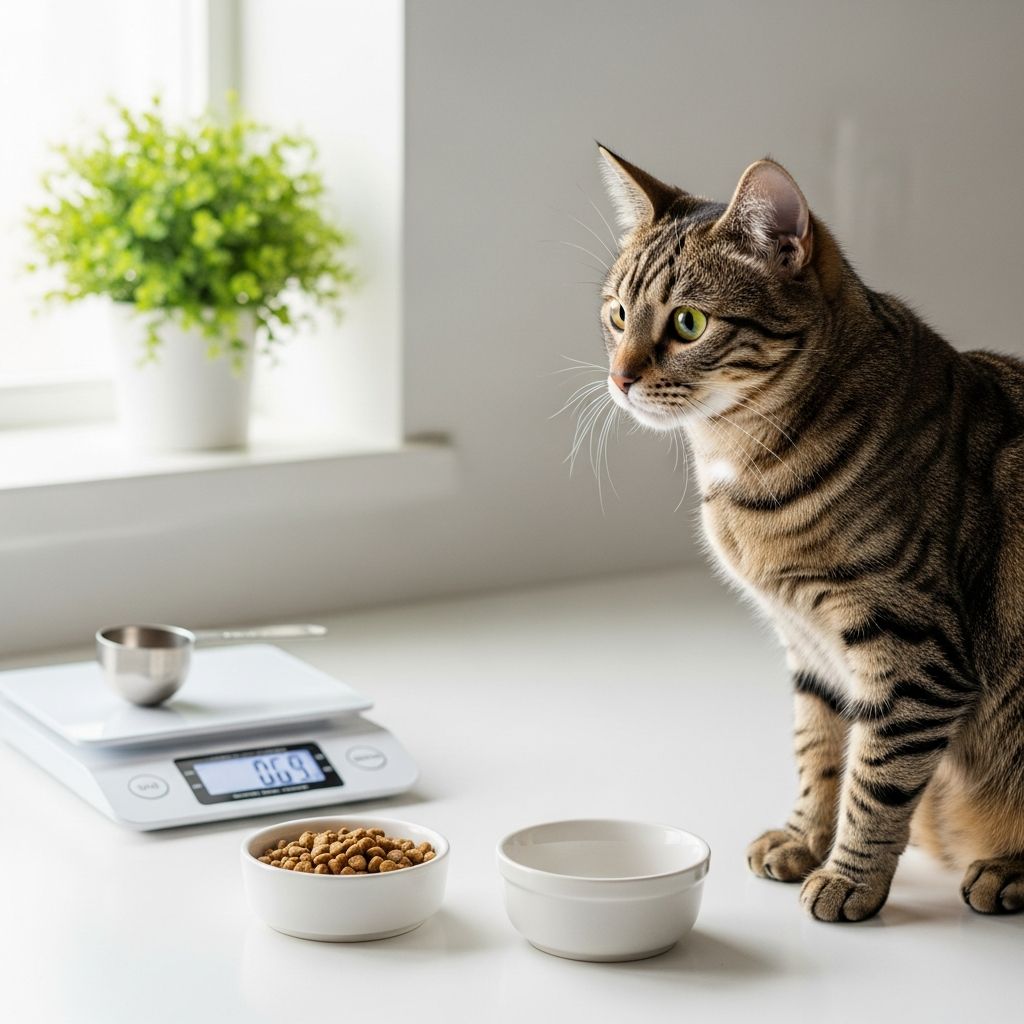
Overweight cats face serious health challenges, but with a structured approach, you can guide your pet toward an ideal body weight. This comprehensive guide outlines evidence-based steps for feline weight reduction, emphasizing gradual progress to avoid complications like hepatic lipidosis.
Recognizing Feline Overweight Issues
Cats become overweight when calorie intake exceeds energy expenditure, often due to free-feeding, high-carb diets, and sedentary lifestyles. Obesity affects up to 60% of household cats, increasing risks for diabetes, arthritis, and heart disease.
Assess your cat’s status using the Body Condition Score (BCS), a 9-point scale where 1 is emaciated and 9 is obese. Ideal is 4-5: ribs palpable without excess fat, waist visible from above. A BCS of 7+ signals the need for intervention.
- Visual cues: No waistline, rounded abdomen, fat deposits on base of tail.
- Hands-on check: Difficulty feeling ribs or spine.
- Vet confirmation: Professional weigh-in and BCS evaluation rules out underlying conditions like hypothyroidism.
Consulting Your Veterinarian First
Before any changes, schedule a vet exam. They calculate your cat’s current and target weight, resting energy requirements (RER), and daily energy needs for loss (typically 70-80% of maintenance).
Vets may recommend therapeutic diets or tests for issues like hyperthyroidism. Track intake via a food diary for 3-5 days to baseline calories. Regular rechecks every 4-12 weeks ensure 1-2% weekly loss, safer at 0.5% for severe cases.
Nutrition Strategies for Effective Weight Reduction
Diet is the cornerstone, focusing on calorie restriction while preserving muscle. Aim for high-protein (over 90g/Mcal), moderate-fat, low-carb formulas to promote satiety and fat burning.
Switch to Specialized Weight Loss Foods
Veterinary diets outperform standard ones by inducing ketosis or boosting metabolism. Examples include Hill’s Prescription Diet Metabolic, Royal Canin Satiety Support, and Purina Pro Plan OM.
These provide dense nutrients in fewer calories, preventing deficiencies during restriction. Transition gradually over 7-10 days to avoid digestive upset.
Incorporate Wet Food for Better Results
Feed at least 50% canned food: higher moisture, protein, and lower carbs mimic natural prey, enhancing satisfaction and loss.
Canned options pack nutrition without excess energy. Calculate portions: e.g., for a 10-lb cat targeting 8 lbs, daily intake might be 150-200 kcal split into 2-3 meals.
| Diet Type | Key Benefits | Examples |
|---|---|---|
| Calorie-Restricted | Maintains muscle, high fiber for fullness | Blue Buffalo Wilderness Weight Control |
| Metabolic/Ketosis | Burns fat efficiently | Hill’s Metabolic |
| High-Protein Low-Carb | Mimics carnivore needs, sustains energy | Royal Canin Satiety |
| Vet Prescription | Nutrient-dense for restriction | Purina OM, Hill’s r/d |
Portion Control and Feeding Schedules
Ditch free-feeding; measure precisely with a kitchen scale. Divide daily allowance into 2-3 meals, feeding away from other pets.
Gradual reduction: cut 10-20% initially, adjust based on progress. High-fiber aids self-regulation in some cats.
Boosting Activity Levels
Exercise burns calories and builds muscle. Indoor cats average low activity; aim for 10-15 minutes daily, split into sessions.
- Interactive toys: Laser pointers, feather wands for chasing.
- Vertical spaces: Cat trees, shelves for climbing.
- Food puzzles: Dispense kibble to mimic hunting, reducing calories by 10-25%.
- Scheduled play: Before meals to enhance satiety.
Studies show active cats on diets expend 25% more energy. Track with pedometers if possible.
Eliminating Hidden Calories
Treats and scraps sabotage efforts. Limit to 10% of daily calories; use low-cal veggie bits or vet-approved options.
Reserve for training rewards like carrier tolerance. Log everything to spot extras.
Monitoring Progress and Adjustments
Weigh biweekly; expect 0.5-2% loss. Plateaus? Recalculate needs or tweak exercise.
Signs of trouble: lethargy, vomiting—halt and consult vet to dodge fatty liver. Maintenance phase: Slowly increase calories to ideal weight’s RER.
Environmental and Behavioral Tips
Enrich home: Window perches for bird-watching, puzzle feeders for mental stimulation.
Household consistency prevents cheating. Multi-cat homes: Separate feeding zones.
Potential Challenges and Solutions
- Begging: Ignore; increase play/fiber.
- Multi-Pet Dynamics: Feed separately.
- Slow Progress: Vet re-eval for meds or thyroid.
- Relapse: Lifelong monitoring.
FAQs
How fast should my cat lose weight?
0.5-2% of body weight weekly to avoid hepatic lipidosis.
Can I use human food for treats?
No; opt for vet-suggested low-cal alternatives.
What if my cat refuses new food?
Mix gradually; add warm water for appeal.
Is wet food always better?
Often yes for hydration and satiety, but balance with dry if tolerated.
How do I calculate calories?
Vet uses formula: RER = 70 x (ideal wt in kg)^0.75, then 0.8x for loss.
Success demands commitment, yielding a vibrant, longer-lived cat. Partner with your vet for tailored success.
References
- Helping Your Cat Slim Down: Weight Management Through Proper Feline Nutrition — Yankee Hill Vet. 2023. https://yankeehillvet.com/feline-nutrition-and-exercise/helping-your-cat-slim-down-weight-management-through-proper-feline-nutrition/
- Obesity in Cats: Signs, Causes, and Treatment — PetMD. 2024-01-15. https://www.petmd.com/cat/conditions/digestive/c_ct_obesity
- Weight Management and Your Cat — The Cat Doctor Veterinary Center. 2023. https://www.catdoctorseattle.com/library/weight-management-and-your-cat
- Practical weight loss in cats — DVM360. 2022-06-10. https://www.dvm360.com/view/practical-weight-loss-in-cats
- Cat Weight Loss Information — Pet Obesity Prevention. 2025. https://www.petobesityprevention.org/weight-loss-cats
- Feline Fitness: How to Help Your Cat Lose Weight — AAHA. 2024. https://www.aaha.org/resources/feline-fitness-how-to-help-your-cat-lose-weight/
- Creating a Weight Reduction Plan for Cats — VCA Animal Hospitals. 2024. https://vcahospitals.com/know-your-pet/creating-a-weight-reduction-plan-for-cats
Similar Articles








Read full bio of Sneha Tete




