

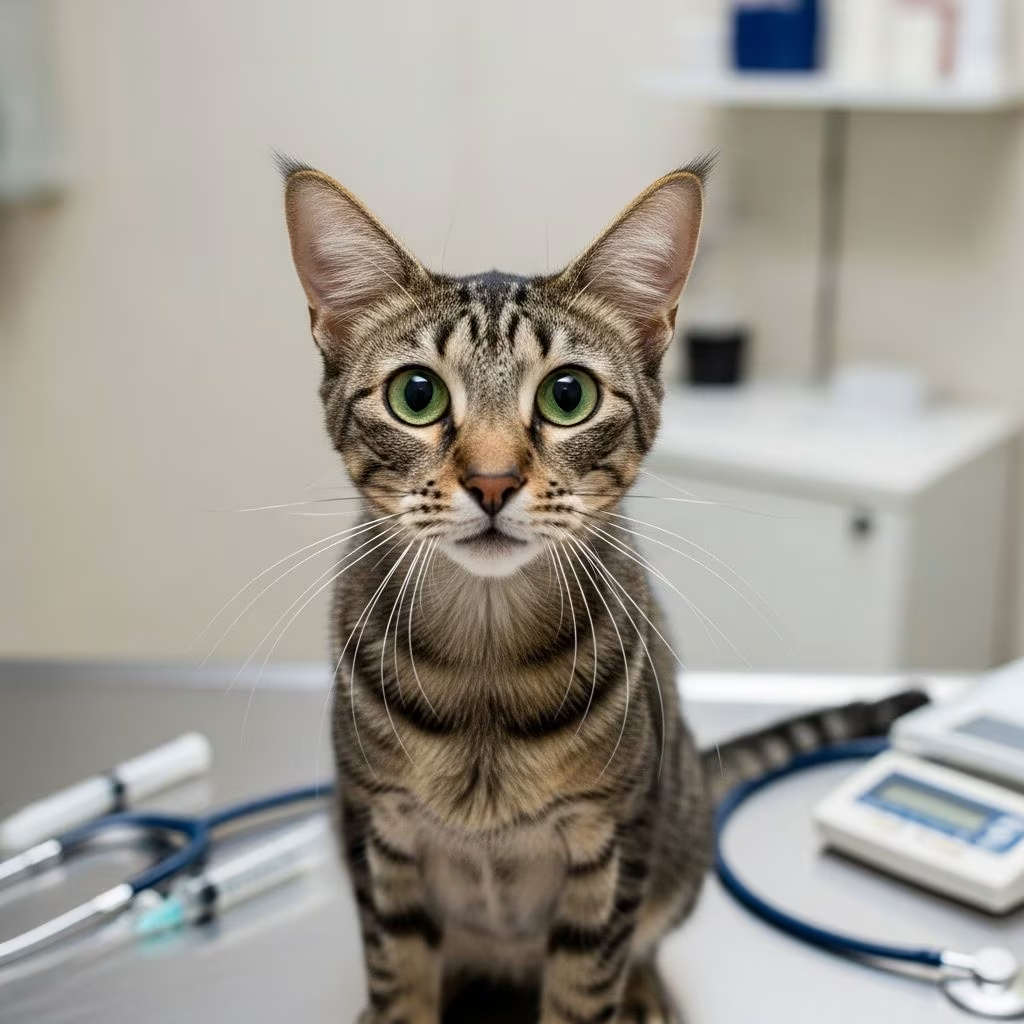
Observing your cat become noticeably thinner can be alarming for any pet owner. Unlike dogs, cats are masters at concealing illness, often maintaining a facade of normalcy until weight loss becomes evident. This symptom frequently points to underlying medical conditions, dietary inadequacies, or environmental stressors that disrupt their caloric balance or nutrient absorption. Prompt recognition and veterinary intervention are essential, as many causes progress rapidly if ignored.
Recognizing the Signs of Weight Loss
Weight loss in cats manifests subtly at first. You might notice your cat’s ribs protruding more prominently, a loss of fat around the hips and spine, or a sharper facial structure. Healthy adult cats should maintain a body condition score of 4-5 out of 9, where the waist is visible from above and you can feel but not see the ribs. Sudden drops, especially over 10% of body weight in a short period, demand immediate attention. Accompanying signs include increased thirst, lethargy, vomiting, diarrhea, or changes in appetite—either ravenous hunger or complete disinterest.
Primary Medical Causes Behind Feline Weight Reduction
Several systemic diseases top the list of culprits for unintended slimming in felines. These conditions impair metabolism, nutrient uptake, or increase energy demands.
Hyperthyroidism: The Metabolism Accelerator
Common in cats over 10 years old, hyperthyroidism occurs when the thyroid gland overproduces hormones, revving up the body’s engine. Affected cats often eat voraciously yet shed pounds dramatically. Additional indicators encompass a racing heart, hyperactivity, poor coat quality, and nocturnal vocalization. Blood tests confirm elevated thyroid levels, with treatments ranging from medication to surgery or radioactive iodine therapy.
Diabetes Mellitus: Insulin Imbalance
Feline diabetes mirrors the human form, where insufficient insulin production hinders glucose utilization. Cats may drink and urinate excessively while losing muscle mass despite normal or increased eating. Obesity predisposes cats to this, and early detection via blood glucose tests allows management through insulin injections, dietary overhaul, and weight stabilization.
Chronic Kidney Disease: Toxin Buildup
As cats age, kidney function declines, leading to waste accumulation, nausea, and appetite loss. Symptoms parallel diabetes with polydipsia (excessive thirst) and polyuria (frequent urination), plus halitosis and anemia. Staging via bloodwork and urinalysis guides fluid therapy, phosphate binders, and renal diets to prolong quality life.
Gastrointestinal and Parasitic Contributors
The digestive tract is a frequent battleground for weight-wasting issues in cats.
Intestinal Parasites: Silent Nutrient Thieves
Worms like roundworms, hookworms, tapeworms, giardia, and coccidia rob cats of vital nutrients. Kittens acquire them from mothers, while adults get infected via prey, fleas, or contaminated soil. Signs include pot-bellied appearance, diarrhea, anal dragging, and visible worm segments in stool. Fecal exams and dewormers resolve most cases, with regular preventives essential for outdoor cats.
Inflammatory Bowel Disease and Malabsorption
Conditions like IBD cause chronic inflammation, impairing nutrient absorption. Cats pass normal stools yet lose weight due to villi damage in the small intestine. Food allergies or infections exacerbate this. Biopsies confirm diagnosis, treated with hypoallergenic diets, steroids, and probiotics.
Oral Health and Cancer Concerns
Dental Diseases: Eating Barriers
Painful teeth, gingivitis, or abscesses deter eating. Drooling, pawing at the mouth, and selective chewing signal trouble. Professional cleanings, extractions, and antibiotics restore appetite.
Neoplasia: The Serious Threat
Cancer, particularly lymphoma, infiltrates the GI tract or organs, causing cachexia (wasting). Non-healing sores, lumps, or organ-specific symptoms appear. Imaging and biopsies guide chemotherapy or palliative care.
Environmental and Behavioral Factors
Not all weight loss stems from disease. Stress from new pets, moves, or insufficient litter boxes suppresses appetite. Multi-cat rivalries lead to food guarding or bullying. Aging reduces absorption of fats, proteins, and vitamins, compounding risks.
| Cause Category | Common Symptoms | Diagnostic Tests |
|---|---|---|
| Endocrine (e.g., Hyperthyroidism) | Increased appetite, hyperactivity | Blood thyroid panel |
| Renal Disease | Thirst, lethargy | SDMA blood test, urinalysis |
| Parasites | Diarrhea, worms in stool | Fecal flotation |
| Stress/Behavioral | Hiding, aggression | History review |
When to Seek Veterinary Care Urgently
Any unintended 5-10% loss warrants a vet visit. Rapid decline, coupled with vomiting, dehydration, or weakness, is an emergency. Baseline weights, tracked monthly, aid early detection.
Diagnostic Approaches for Accurate Identification
Vets start with history and physical exams, followed by:
- Complete blood count and chemistry panel
- Urinalysis and thyroid screening
- Fecal parasite analysis
- Abdominal ultrasound or radiographs
- Possibly endoscopy or biopsy
These pinpoint issues efficiently.
Treatment Strategies and Home Management
Tailored plans address root causes:
- Medications: Antithyroid drugs, insulin, dewormers.
- Diet: High-protein, low-carb for diabetes; renal-supportive for kidneys.
- Supportive Care: Appetite stimulants, subcutaneous fluids, anti-nausea meds.
- Lifestyle: Stress reduction via pheromones, multiple resources.
Appetite recovery takes weeks; monitor weights weekly.
Preventive Measures for Long-Term Feline Wellness
Proactive steps minimize risks:
- Annual vet checkups with senior panels post-7 years.
- Parasite preventives year-round.
- Balanced, AAFCO-approved diets; avoid obesity.
- Regular dental care and play for muscle tone.
- Track body condition scores routinely.
Nutritional Support During Recovery
Transition to recovery foods gradually. High-calorie gels, warmed wet food, or syringe feeding aid intake. Vitamin B supplements correct deficiencies from malabsorption.
FAQs on Cat Weight Loss
Is weight loss normal in older cats?
No, while aging alters metabolism, unintended loss signals disease; 30-40% of senior cats face absorption issues.
Can stress alone cause significant weight loss?
Yes, anxiety curbs eating, leading to rapid decline; address environmental triggers promptly.
How much weight loss is concerning?
Over 2% weekly or 10% monthly; consult vets immediately.
What home remedies encourage eating?
Offer pungent, warmed food in quiet spots; avoid forcing, as it heightens stress.
Can diet changes reverse hyperthyroidism?
Limited; prescription iodine-restricted diets help mildly affected cats, but meds are primary.
Prognosis and Monitoring Post-Treatment
Outcomes vary: parasites yield quick rebounds; chronic diseases require lifelong management. Recheck weights and bloodwork ensure stability. Early action boosts survival rates dramatically.
References
- Unexplained Weight Loss in Cats: Is It an Emergency? — GSVS. 2023. https://gsvs.org/blog/unexplained-cat-weight-loss-emergency/
- 9 Reasons Your Cat May Be Losing Weight — Mobile Pet Doctor. 2023. https://www.mobilepetdoctorlippy.com/articles/614234-9-reasons-your-cat-may-be-losing-weight
- Why Is My Cat Losing Weight? — Royal Canin. 2024. https://www.royalcanin.com/ca/cats/health-and-wellbeing/why-is-my-cat-losing-weight
- Why is My Cat Losing Weight? Weight Loss in Cats — PetMD. 2024. https://www.petmd.com/cat/symptoms/cat-losing-weight
- What to do When Your Cat Won’t Eat — WebMD. 2023. https://www.webmd.com/pets/cats/my-cat-wont-eat
- Weight Loss in the Elderly Cat: Appetite is Fine, and Everything … — PMC (NCBI). 2024-05-15. https://pmc.ncbi.nlm.nih.gov/articles/PMC11135492/



